




Quick Answer: Understanding why are Rolex watches so expensive comes down to tangible factors: precious metal weight (£6,000+ in gold alone), full vertical integration requiring billions in infrastructure, hand assembly at scale, and proven long-term value retention. Retail access limitations and secondary market premiums add further complexity to the cost of a Rolex.
Why Rolex Pricing Is High:
-
Precious metal watches contain £6,000 to £12,000 in raw material before manufacturing
-
Vertical integration costs billions (Rolex owns foundries, case makers, and movement facilities)
-
Hand assembly and individual testing remain standard despite 1.24 million annual production
-
Limited retail access creates secondary market premiums of 50% to 100% on sports models
-
Average resale values have grown 550% since 2010, making them stores of value
Over twenty years in this business, I've watched the same pattern play out. Someone sees the price tag on a Rolex, feels the weight of that number, then either walks away or commits without really understanding where the cost of a Rolex comes from. The conversation rarely moves past that initial reaction.
Here's what the cost of a Rolex breaks down to.
Why Is the Cost of a Rolex So High?
The cost feels high because it is high. But the reasons are more concrete than you'd think. When you break down why are Rolex watches so expensive, you're looking at material costs, manufacturing infrastructure, and value retention that few other luxury purchases offer.
Rolex watches command high prices because they combine premium materials, meticulous in-house manufacturing, more than a century of brand heritage, and carefully controlled global distribution. Rather than relying on mass production, Rolex focuses on long-term quality, consistency and durability, which helps explain why the cost of a Rolex remains significantly higher than many other luxury watches.
- Premium materials including Oystersteel, gold, platinum and diamonds
- Expert craftsmanship with hand-assembled in-house mechanical movements
- More than 100 years of Rolex innovation and heritage
- Controlled global distribution creating limited availability and sustained demand
Rolex Price vs. Production Cost: Why Are Rolex Watches So Expensive?
Material Cost: Real Weight, Real Money
Hold a Day-Date 40 in yellow gold and you're holding 100 to 120 grams of gold. At current prices, that's £6,000 to £7,800 in raw material before anyone touches it. The case, bracelet, and clasp are gold.
Platinum models contain even more mass of a more expensive material, pushing the floor to £10,000 to £12,000 in metal alone before manufacturing begins.
This isn't marketing language. It's weight. It's material. When considering why are Rolex watches so expensive, the cost exists before manufacturing, assembly, quality control, or brand positioning enter the equation.
When gold prices surged 64% in 2025, Rolex couldn't absorb that. The metal has to be bought. The watches still have to be made.
People sometimes assume luxury pricing is arbitrary. In precious metal watches, there's a floor below which the company loses money on material alone.
- Production cost versus retail pricing
- Premium material sourcing and manufacturing
- Billions invested in Rolex research and development
- Vertical integration and long-term supply chain control
What This Means: Precious metal Rolex watches carry thousands of pounds in raw material cost before any manufacturing value is added.
If you're comparing different Rolex models and want to understand how pricing, condition and long-term value affect your purchase, our Guide to buying a Rolex explains what to look for before making a decision.
Vertical Integration: Billions in Infrastructure
Rolex makes nearly everything themselves. Not as a talking point, as an operational reality that required decades of acquisition and investment.
In the 1990s, under Patrick Heiniger's leadership, Rolex began an aggressive integration strategy. Their founder set up permanent operations in Geneva and persuaded the best craftsmen and engineers in Swiss watchmaking to work alongside him, then purchased their movement facility for over £550 million in 2004.
They don't assemble components. They control the entire process from raw material to finished watch.
Rolex uses 904L stainless steel instead of the 316L standard used across most of the luxury watch industry. It's more resistant to corrosion and rust, but harder to machine. They had to revamp their entire manufacturing process to work with it. This commitment to premium materials is central to understanding the cost of a Rolex.
They're the only watch manufacturer with a foundry in-house. They make their own gold alloys from scratch.
This level of control ensures consistency, but it's expensive to build and expensive to maintain. Those costs flow into the price of every watch that leaves the facility.
What This Means: Rolex's billion-pound infrastructure investments ensure quality control but add permanent overhead to every watch produced.
Scale Without Shortcuts: Hand Assembly at Volume
Rolex produced 1.24 million watches in 2023. By luxury standards, that's significant volume.
Volume doesn't mean automation in the way people assume. Advanced machines handle cataloguing, filing, sorting, and administration. The assembly and finishing of watches and movements remains largely manual.
Each watch is built by hand. Each movement is regulated and tested individually.
I've seen people assume that producing a million watches a year means the process must be industrial and impersonal. The reality is more nuanced. Rolex has built a system for hand-finishing and quality control at scale, but scale doesn't reduce the labour involved in making each watch properly.
That labour has a cost. It shows up in the price.
What This Means: High production volume doesn't mean automation. Each Rolex still requires significant manual labour for assembly and quality control.
Price Increases: Responding to Real Cost Pressures
Rolex raised prices roughly 7% in January 2026. It's the fourth consecutive year of January increases.
Three factors drove it:
-
Gold prices surging 64% in 2025
-
Global inflation affecting manufacturing costs
-
New 15% tariff on Swiss watch imports in markets like the United States
These pressures affected Rolex watches in the UK differently because of currency fluctuations and local market conditions.
Steel sports models like the Submariner have increased 24% to 27% since 2020. The Submariner Date has accumulated a 27.5% increase over four years.
These aren't arbitrary adjustments. They're responses to input costs rising across the board: metal, labour, tariffs, energy, and logistics.
People sometimes frame price increases as greed. I've watched these shifts closely for years. What I see is a company trying to maintain margin in an environment where costs are genuinely rising.
What This Means: Recent price increases reflect real input cost pressures (metal, tariffs, inflation) rather than arbitrary markup decisions.
Retail Access: The Real Price Barrier
Here's what complicates the pricing conversation: most buyers never get retail access in the first place.
There's no literal list at most authorised dealers. Allocation follows relationship and purchase history.
For high-demand models like the Daytona in steel, you're looking at 18 months to five years depending on dealer history. Sometimes longer.
Rolex produces around a million watches yearly, but demand far exceeds supply, especially for sports models. The retail price becomes theoretical when access is the real barrier.
The secondary market becomes more than a fallback. It's often the only realistic path to ownership within a reasonable timeframe.
The secondary market in late 2025 offered better access than in years. For someone who wants a steel Submariner or Explorer, securing one within a season rather than over several years became realistic again, particularly when working with a reputable Rolex dealer in London.
What This Means: Limited retail allocation means secondary market purchase (at premium prices) is often the only realistic option for popular models.
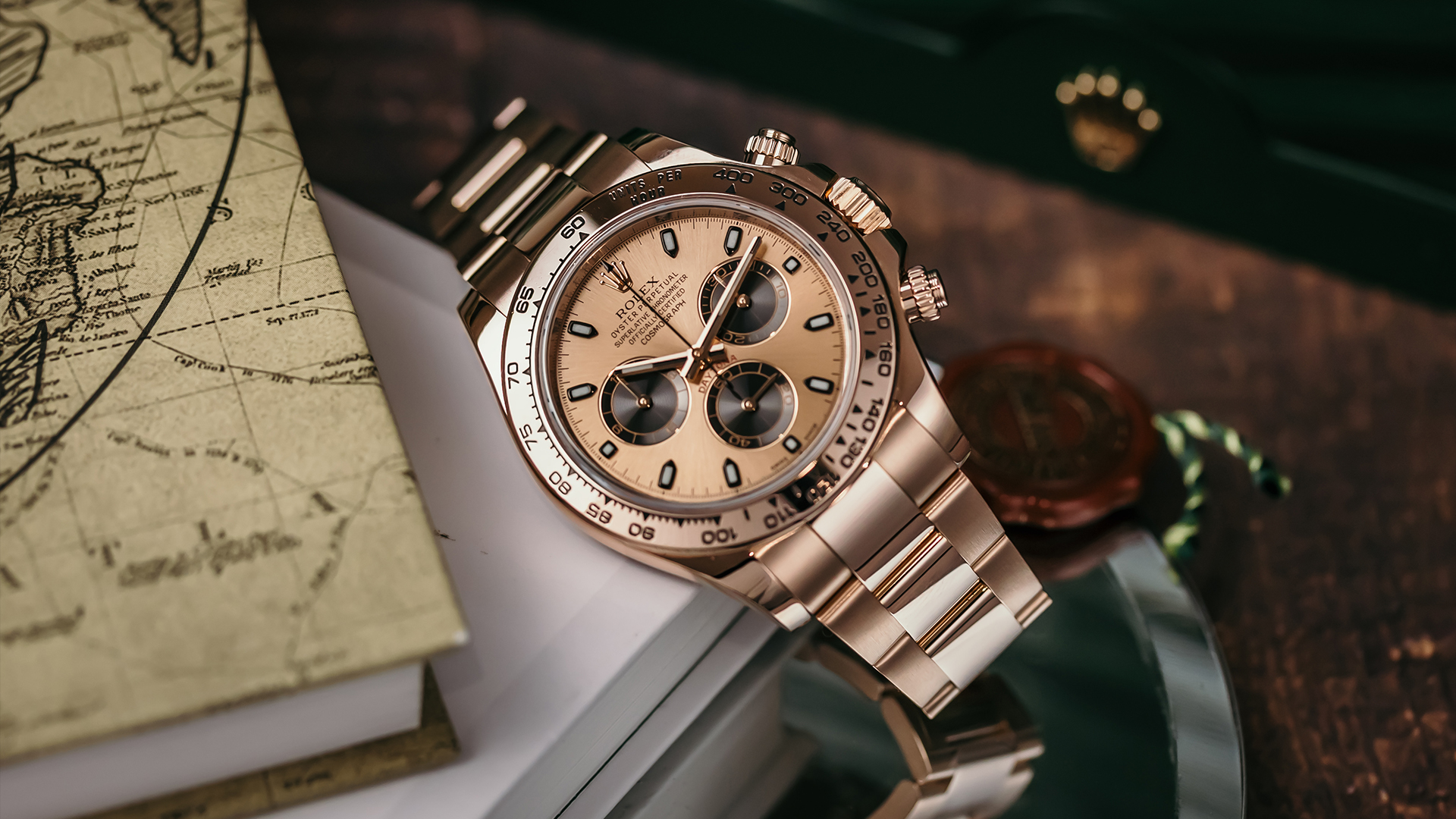
Why Are Rolex Daytonas So Expensive
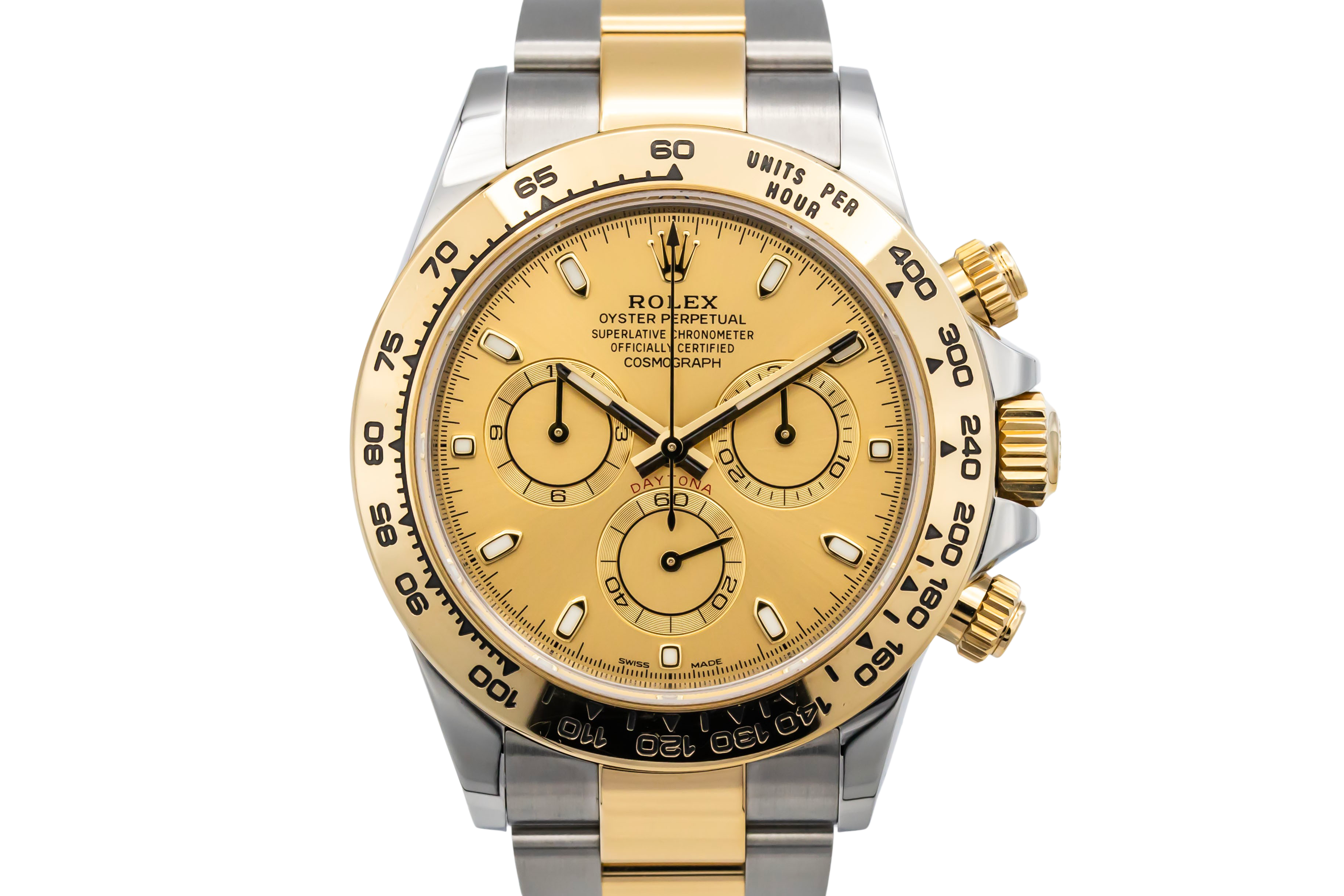
The Daytona occupies a different space than any other Rolex sports model. When people ask why are Rolex Daytona so expensive, it's not only about manufacturing costs. It's about scarcity, it's almost unobtainable at retail, and the secondary market premium reflects that in sharp terms.
I've watched the Daytona's pricing evolve over two decades. What started as a well-regarded chronograph has become the most sought-after steel sports watch Rolex makes. The gap between retail and market price reaches 100% or more depending on reference and dial configuration.
When people ask why are Rolex Daytona so expensive, the answer involves more than manufacturing costs. That premium is driven by factors that have compounded over time: limited production, motorsport heritage, and sustained collector demand.
Supply Constraints Meet Intense Collector Demand
Rolex produces fewer Daytonas than Submariners or GMT-Masters. The chronograph movement is more complex to manufacture. Production capacity isn't there to meet demand.
At most authorised dealers, Daytona allocation is measured in single digits yearly. A dealer who receives fifty Submariners might see three or four Daytonas.
Collector demand has intensified. The Daytona isn't only a sports watch, it's become a benchmark piece for serious collectors. High collector demand means people who already own multiple Rolexes are competing for the same limited allocation as first-time buyers.
Supply hasn't increased. Demand has grown. The result is a market where retail access is nearly impossible without significant purchase history.
Motorsport Heritage Creates Historical Value
The Daytona was developed in the 1960s for professional racing drivers. Built to time laps and measure average speeds on the track, these were functional tools for motorsport, not fashion.
That motorsport connection runs deep. The name comes from Daytona International Speedway in Florida, where Rolex became official timekeeper.
Over decades, the Daytona became associated with racing culture in a way that transcended its original function. Paul Newman's personal Daytona sold for £13.8 million in 2017, cementing the model's place in horological history.
That historical significance matters to collectors. It's not about owning a chronograph. It's about owning a piece connected to a specific era of motorsport and design.
Exclusivity Drives Desirability
The Daytona carries more symbolic weight than most Rolex models. It signals not only wealth but access, the ability to secure a watch most people simply can't get.
I've noticed people don't want a Daytona because it's expensive. They want it because it's exclusive. The difficulty of acquisition becomes part of the appeal.
Rolex has never artificially inflated the Daytona's mystique through marketing campaigns. They didn't need to. The market created the hype through scarcity and collector obsession.
That legacy has built on itself. The harder it became to get, the more desirable it became. The more desirable it became, the more the resale market premium grew.
Secondary Market Premium Reflects True Demand
A steel Daytona with black dial retails for around £11,550. On the secondary market, you're looking at £18,000 to £22,000 depending on condition and documentation.
That's not speculation. That's current market reality for anyone who wants one within a reasonable timeframe rather than waiting years.
The increased value over time is well-documented. Daytonas purchased five or ten years ago have appreciated significantly, not because of artificial scarcity, but because demand has consistently outpaced supply.
The resale price compared to retail tells you everything about the model's position in the market. When people are willing to pay double retail to avoid a multi-year wait, you're not dealing with ordinary demand.
For those considering buying a preowned Rolex from a trusted Rolex dealer in London, the Daytona represents a different calculation than most models. You're paying a premium upfront but acquiring a watch that has demonstrated strong value retention over decades.
What This Means: Daytona pricing is driven by extreme supply constraints (single-digit dealer allocations), motorsport heritage, and proven appreciation that often doubles retail prices on the secondary market.
Why Are Rolex Submariners So Expensive
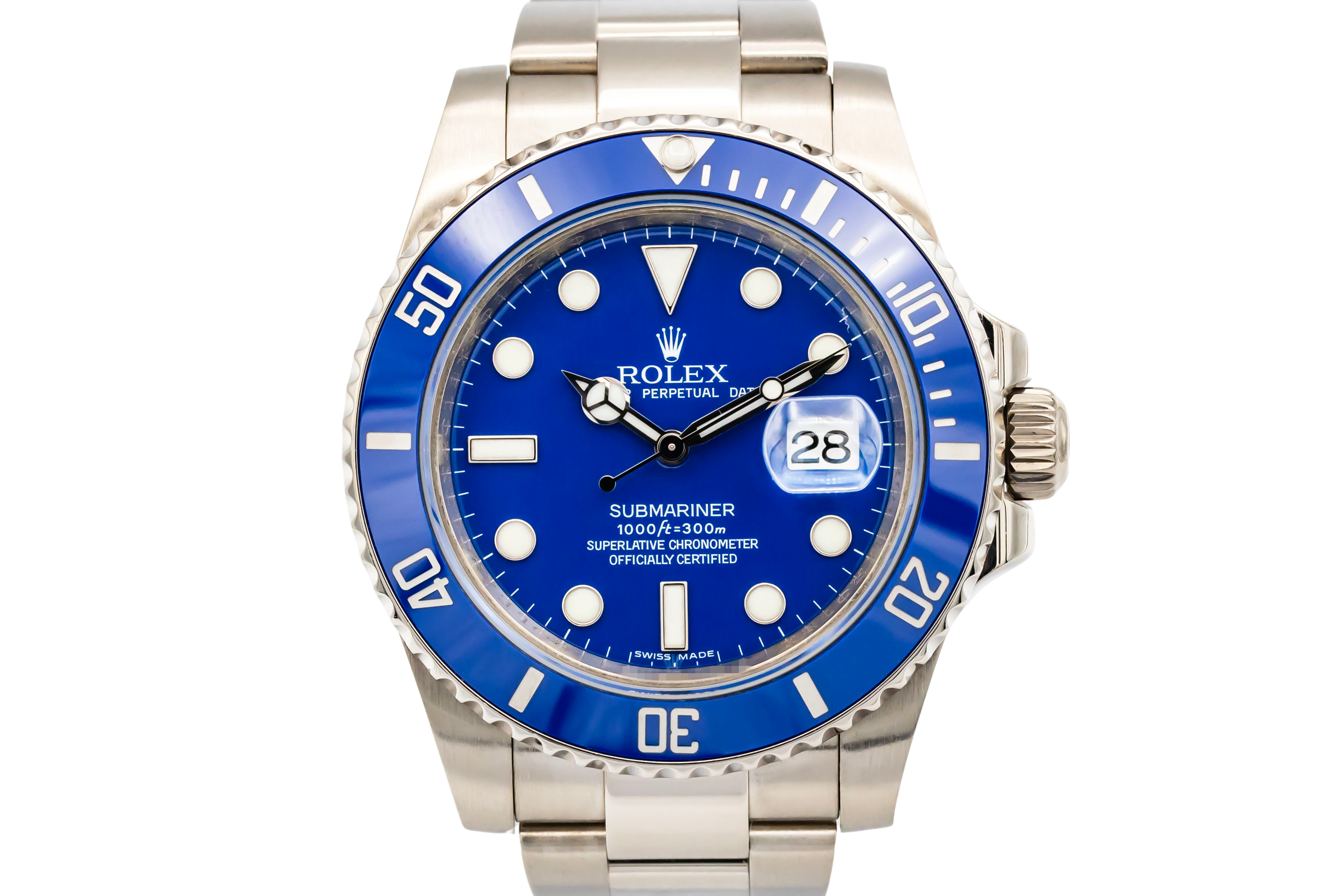
The Submariner has been in continuous production since 1953. It's the most recognisable dive watch ever made. Pricing reflects both heritage and sustained relevance in today's market.
People sometimes assume the Submariner is expensive because of the Rolex name alone. That's part of it, but the full picture is more grounded. Understanding why are Rolex Submariners so expensive requires looking at heritage, tool watch functionality, cultural presence, and sustained market demand that's remained consistent for seventy years.
Tool Watch Functionality Meets Luxury Construction
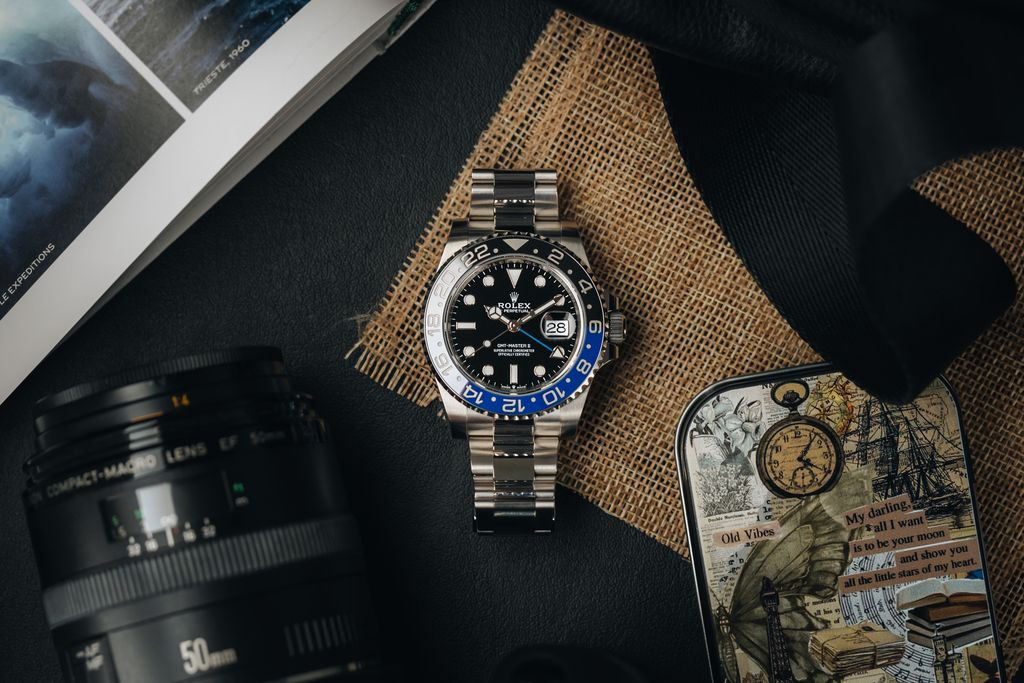
The Submariner was developed as a tool watch for professional divers. Water-resistant to 300 metres, equipped with a unidirectional rotating bezel, built to withstand pressure and corrosion in saltwater environments. This functional excellence is foundational to understanding why are Rolex Submariners so expensive.
It wasn't designed to look good. It was designed to work. The aesthetics emerged from function: legible markers, high-contrast dial, robust case construction.
Over seventy years, Rolex has refined the design without abandoning core principles. The current Submariner still meets ISO 6425 standards for dive watches. It's still tested to depths far beyond what recreational divers will reach.
That dual nature, functional tool and luxury object, gives the Submariner different appeal than purely aesthetic watches. You're buying something built to perform, even if you never take it underwater.
Cultural Presence Sustains Demand Across Generations
The Submariner has appeared in more films, television shows, and cultural moments than perhaps any other watch. James Bond wore a Submariner in early films, cementing its association with adventure and sophistication.
That cultural presence didn't happen by accident, but it also wasn't manufactured through product placement alone. The Submariner became iconic because it looked right on screen and off: understated, capable, timeless.
I've watched people come in asking for "the James Bond watch" or "the one from that film." The Submariner occupies space in popular imagination that few luxury items achieve.
That visibility sustains demand across generations. People who've never dived, never sailed, and never needed a tool watch still want a Submariner because it represents something beyond utility.
Timeless Design With Proven Durability
The Submariner's design has remained fundamentally unchanged for decades. There have been refinements (case size, bracelet improvements, movement upgrades) but the silhouette is instantly recognisable across references from the 1950s to today.
That consistency matters. Unlike fashion watches that date themselves within a few years, the Submariner doesn't look old. A well-maintained example from the 1980s still looks current.
Durability is equally important. I've serviced Submariners worn daily for twenty or thirty years that are still functioning perfectly. Build quality supports long-term ownership in a way that justifies the initial cost.
People don't buy a Submariner expecting to replace it. They buy it expecting it to last.
Value Retention Outperforms Other Dive Watches
Market trends show Submariners hold value exceptionally well. Even during broader market corrections, Submariner resale prices remain relatively stable.
A Submariner Date purchased at retail five years ago has likely appreciated in value, especially if it's a steel model with box and papers. How the Submariner holds value over time is one of the most consistent patterns I've seen across the luxury watch market.
Comparison with other dive watches shows the gap clearly. An Omega Seamaster or Tudor Black Bay might depreciate 20% to 30% in the first few years. A Submariner often sells for close to retail or above, depending on market conditions and availability.
That value retention makes the Submariner less of a luxury purchase and more of a store of value. You're wearing your money but not losing it the way you would with most consumer goods.
For those looking at Rolex for men and considering buying a preowned Rolex, the Submariner remains the entry point that makes the most sense: proven design, strong resale, and broad appeal that doesn't depend on fashion cycles. Working with a reputable Rolex dealer in London ensures authenticity and proper documentation.
What This Means: Submariner pricing reflects 70 years of proven tool watch functionality, cultural iconography, timeless design, and value retention that outperforms competing dive watches by 20% to 30%.
How Rolex Pricing Trends Impact Buyers Today
The average resale value of Rolex watches in the UK has increased over 550% since 2010, climbing from around £2,000 to over £13,000 today. This appreciation pattern directly impacts how buyers should think about the cost of a Rolex.
GMT Master II models appreciated 506% since 2010, reaching a peak resale value of about £23,992 in late 2021.
Sports models (Submariner, Daytona, GMT-Master II) offer the strongest resale performance because of limited availability and sustained collector demand.
Even models like the Day-Date, which don't appreciate at the same rate as steel sports watches, hold value better than most luxury purchases. You're looking at 10% to 20% depreciation over several years rather than the 40% to 50% typical of cars or electronics.
I've seen people hesitate at the initial price, then return years later surprised by how much value the watch retained. It's not speculation. It's pattern recognition across thousands of transactions.
When you're comparing Rolex watches in the UK, it's important to look beyond the list price. Availability, condition, service history and authenticity all influence long-term value. Buying through a trusted source and following a solid guide to buying a Rolex helps you make a more informed decision that stands the test of time.
What This Means: Rolex sports models have appreciated 500% to 550% since 2010, making them functional stores of value rather than depreciating luxury purchases.
How The Diamond Box Makes Rolex Pricing Work for You
Understanding why are Rolex watches so expensive starts with recognising that the cost of a Rolex is high because the inputs are expensive and the process is uncompromising.
At The Diamond Box, we believe understanding Rolex pricing is just as important as understanding the watch itself. Every Rolex we sell is carefully authenticated, transparently priced and supported by expert guidance, helping buyers make informed decisions with confidence.
You're paying for:
-
Precious metal with real weight and real cost
-
Manufacturing system built over decades through billion-pound acquisitions
-
Hand assembly and individual quality control at scale
-
Brand reputation carefully protected so value holds across generations
Buying through a reputable Rolex Dealer in London provides reassurance that the watch has been properly inspected, authenticated and accurately described. Whether you're purchasing your first Rolex or adding to an existing collection, expert guidance helps protect your investment for the long term.
None of that is symbolic. It's material, operational, and measurable.
The price won't feel reasonable to everyone, and that's fine. Rolex isn't trying to be accessible to everyone. They're trying to maintain standards that justify long-term value.
What I've noticed over the years is that people who understand what drives the cost of a Rolex make better decisions. Having a clear guide to buying a Rolex helps buyers understand what to look for before making a purchase. They choose models that genuinely suit their needs rather than chasing hype, care for them properly, and enjoy long-term ownership.
The cost of a Rolex is high. When you break it down through the lens of material, manufacturing, longevity, and value retention, understanding why are Rolex watches so expensive starts to make sense.
Common Questions About Rolex Pricing
Why are Rolex watches so expensive compared to other luxury watches?
Rolex owns their entire supply chain, from gold foundries to movement manufacturing. This vertical integration cost billions to build but ensures quality control. They also use premium materials (904L steel, in-house gold alloys) with higher sourcing and machining costs than industry standards.
Do Rolex watches go up in value?
Sports models (Submariner, Daytona, GMT-Master II) have appreciated 500% to 550% since 2010. Even dress models like the Day-Date hold value better than most luxury goods, depreciating 10% to 20% over several years compared to the 40% to 50% typical for cars or electronics.
Why is the Daytona more expensive than other Rolex sports models?
Daytona production is limited because the chronograph movement is complex to manufacture. Dealers receive three to four Daytonas yearly compared to fifty Submariners. This creates secondary market premiums of 50% to 100% over retail for anyone wanting immediate access.
Is buying a preowned Rolex worth it?
When buying a preowned Rolex, you get immediate access without multi-year waiting lists. Sports models hold value exceptionally well. A Submariner purchased five years ago at retail has likely appreciated. When bought from a reputable Rolex dealer in London, preowned models offer the same longevity and value retention as new ones.
Why can't I buy a Rolex Submariner at retail?
Rolex produces around a million watches yearly, but demand exceeds supply for sports models. Authorised dealers work on allocation systems tied to purchase history. For popular models, waiting times range from 18 months to five years, making the secondary market the only realistic option for immediate purchase.
Are Rolex price increases justified?
Recent increases reflect real cost pressures. Gold prices surged 64% in 2025. Manufacturing costs rose with global inflation. New tariffs (15% on Swiss watches in some markets) added further pressure. Steel sports models increased 24% to 27% since 2020 because input costs rose.
What makes a Rolex hold value better than other watches?
Rolex maintains strict quality control, uses premium materials, and protects brand reputation carefully. Limited production of sports models creates sustained demand. The company's vertical integration ensures consistency across decades. Watches from the 1980s still look current and work perfectly when properly serviced.
Should I buy a Rolex as an investment?
Rolex watches are better viewed as stores of value than investments. Sports models have appreciated significantly, but buying for enjoyment and long-term ownership makes more sense than treating them as financial tools. Value retention makes them smart luxury purchases, not speculative assets.
Key Takeaways
-
Rolex pricing reflects tangible costs: £6,000 to £12,000 in precious metal alone before manufacturing, billions in vertical integration infrastructure, and hand assembly despite scale
-
Why are Rolex Daytona so expensive comes down to extreme scarcity (dealers receive 3 to 4 yearly vs 50 Submariners), motorsport heritage, and secondary market premiums reaching 100% over retail
-
Why are Rolex Submariners so expensive is explained by 70 years of proven tool watch functionality, cultural iconography, timeless design, and value retention 20% to 30% better than competing dive watches
-
Limited retail access (18 months to 5 years for popular models) means secondary market purchase is often the only realistic option, adding premiums to effective cost
-
Long-term value justifies initial cost: sports models appreciated 500% to 550% since 2010, making Rolex watches functional stores of value rather than depreciating luxury purchases
-
Understanding what drives the cost of a Rolex (material, manufacturing, longevity, value retention) and recognising why are Rolex watches so expensive helps buyers make decisions based on needs rather than hype. Whether you're exploring Rolex for men, considering Rolex watches in the UK, or following a guide to buying a Rolex, informed decisions lead to better long-term satisfaction.