





When someone walks through the door asking about a Rolex they've been told is "hard to get", I'm already running through what I know about that specific reference.
Not what the internet says. Not what the hype suggests. What I've watched happen over twenty years with real customers trying to secure real watches.
There's a big difference between models you'll struggle with and models you'll never get, and mixing these up creates expectations you won't meet when you're trying to understand why Rolexes are so hard to get.
The Mathematics of Impossibility: Understanding the Hardest Rolex to Get
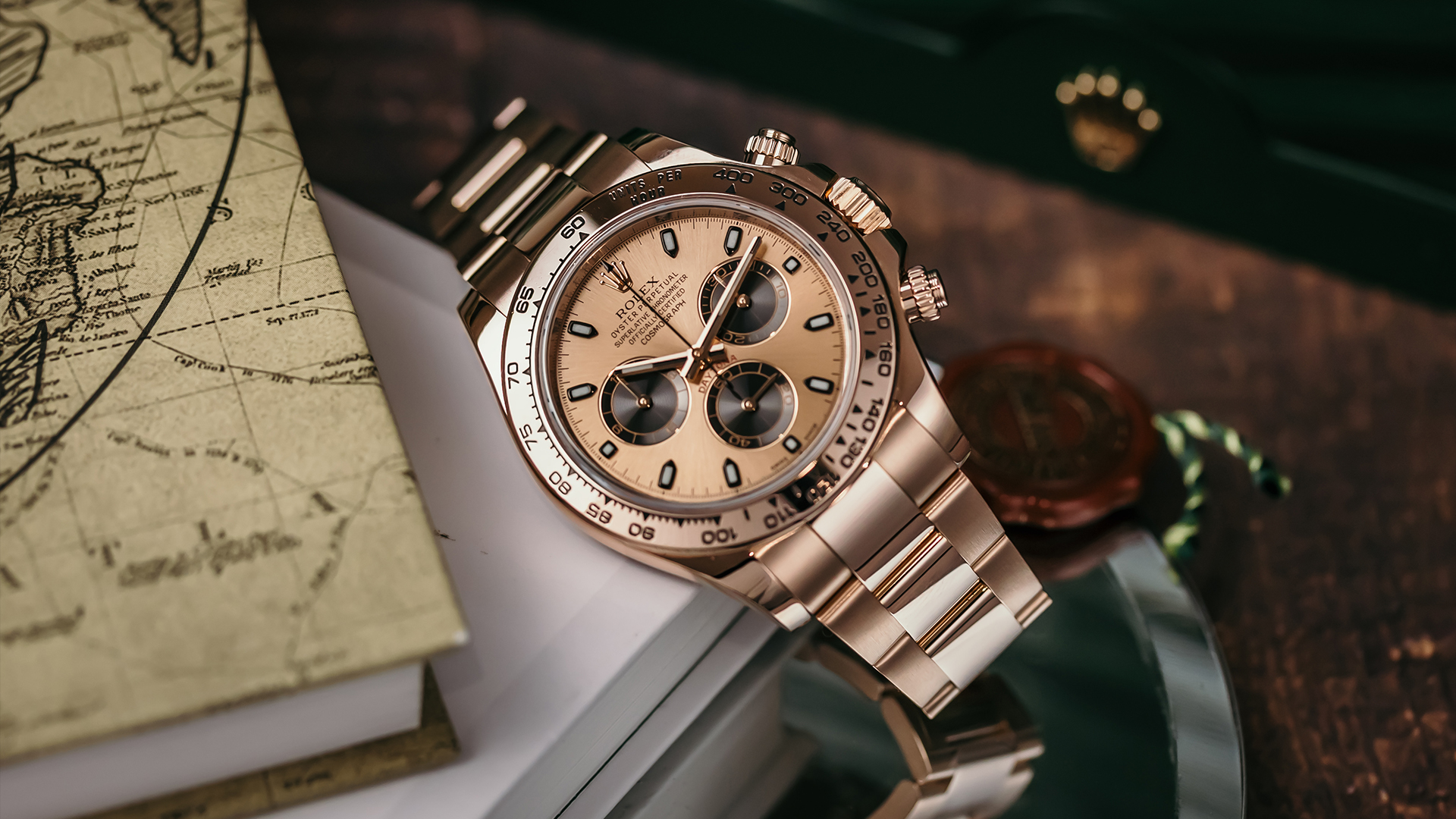
I'll start with the Daytona 116500LN, the stainless steel reference with the black or white dial. For those exploring Rolex for men, this model sits at the top of desirability and frustration.
Rolex produces around 40,000 Daytona watches each year across all variants. When you narrow to steel models, widely considered the hardest Rolex to buy, estimates suggest between 20,000 to 35,000 units globally.
Rolex operates through approximately 1,440 authorised dealers worldwide. The mathematics become clear. Even if distribution were perfectly equal (and distribution is never equal), each dealer would receive roughly 14 to 24 steel Daytonas per year. One or two per month, spread amongst hundreds of customers who want one.
Over the last decade, less than 5 per cent of customers who went on a waiting list for a steel Daytona through an authorised dealer received the call.
That's not scarcity. That's impossible for most people.
Who Gets the Call
The 5 per cent who do receive a Daytona aren't random. They share characteristics separating them from everyone else on the list.
Established relationships matter most. These aren't new customers. They've built trust with a specific dealer over years, sometimes decades. They have a salesperson who knows them personally, understands their preferences, and has watched them make multiple purchases over time.
Spending history creates priority. When I say "high spend", I'm talking about customers who've invested £50,000 to £100,000 with a single dealer before they're seriously considered for a Daytona. At £100,000 and above, your chances improve significantly. At £200,000 and above, you're in a different category entirely, one where dealers actively reserve pieces for you.
The uncomfortable truth many customers don't see: if you want a Rolex, you often have to buy something else first. Boutiques wait for customers to purchase a Tudor, some jewellery, or other pieces harder to shift. Rolex becomes the reward for moving less desirable stock.
This isn't speculation. It's how allocation works in practice.
The Submariner and GMT Reality: Still Hard, Not Impossible
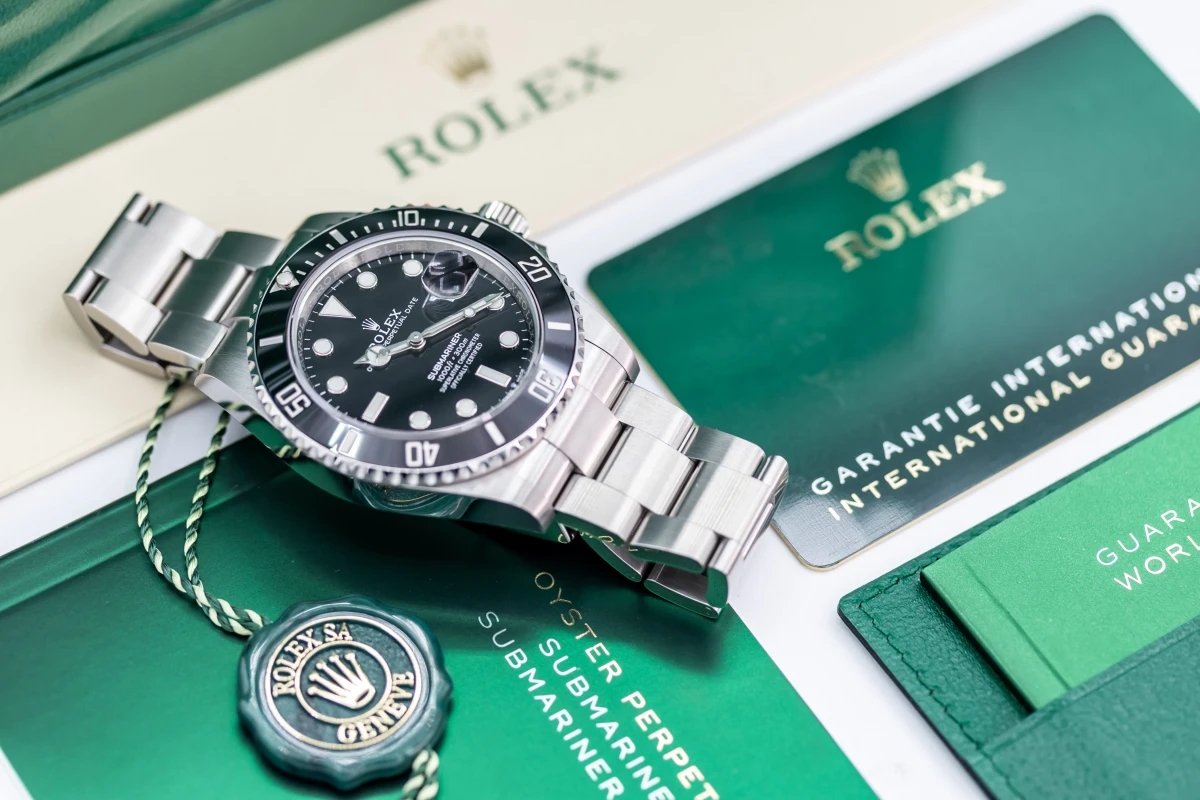
When customers ask about alternatives, I mention the Submariner 126610LN or the GMT-Master II 126710BLRO. Both appear on most lists of hardest Rolex watches to get, but there's a distinction to understand.
These aren't easy to get, and anyone asking 'is it hard to buy a Rolex' will find the answer is yes for these models too. But they're fundamentally different from the Daytona in one way: people receive them.
Based on what I've observed, roughly 40 to 50 per cent of customers on a waiting list for a steel Submariner get one within one to two years. For the Pepsi GMT, closer to 30 to 40 per cent.
Those aren't guarantees. They're realistic possibilities.
The difference comes down to production allocation. Rolex makes more Submariners and GMTs than Daytonas. Understanding these production volumes matters whether you're seeking a sports model or exploring the best Rolex watches for women. The Submariner accounts for roughly 12 per cent of Rolex's annual production, around 150,000 units. The Daytona sits closer to 10 per cent, but distributed across far more variants.Dealers receive more stock of these models. Not enough to satisfy everyone, but enough for waiting to lead somewhere for a reasonable percentage of customers.
For first-time buyers with limited purchase history, a Submariner might take one to two years. For customers with strong relationships and previous purchases, the wait often drops to under twelve months.
The Daytona doesn't work this way. Time doesn't improve your position unless you're also building spend history and dealer relationships at the same time.
What Customers Misunderstand About Waiting Lists
The biggest misconception: that waiting lists operate like a queue.
They don't.
Rolex themselves have stated clearly: "We do not distribute watches directly to customers and do not keep waiting lists". Distribution is left entirely to individual authorised dealers, who manage allocation independently.
In practice, there's no chronological order. Dealers prioritise based on purchase history, relationship strength, and spending patterns. Many maintain separate VIP lists where preferred customers (those who've spent tens or hundreds of thousands) get first access to incoming stock.
I've watched customers wait three years for a Daytona whilst someone who walked in last month and purchased a Day-Date, a ladies' Datejust, and some jewellery received the call within weeks.
This feels unfair if you don't understand how the system works. Once you do, the process becomes predictable.
When the Secondary Market Becomes the Only Option
The gap between retail and reality is wide.
A Daytona 116500LN retails for roughly £10,600. On the secondary market, prices peaked at nearly £40,000 in 2022. They've since settled around £20,000 to £25,000, still double the retail price.
This premium exists because authorised channels don't deliver for most people. The secondary market fills the gap between demand and official supply.
Some customers refuse to pay above retail on principle. I understand the position. But if you want a specific reference and you're not willing to build the spend history and relationships required through authorised channels, the grey market becomes your only realistic path. This is where working with a reputable Rolex dealer in London who operates transparently in both primary and secondary markets makes a difference.
It's not ideal. But it's honest.
What Improves Your Chances
If you're determined to secure a difficult reference through authorised channels, here's what I've seen work:
Build a relationship with one dealer. Whether you're following a comprehensive Rolex buying guide or starting your search, don't scatter your interest across multiple boutiques. Choose one dealer, visit regularly, and let them get to know you over time.
Make purchases demonstrating commitment. This doesn't mean buying things you don't want. But if you're interested in other Rolex models or jewellery, purchasing through the same dealer builds your position on their internal priority list.
Be responsive when opportunities arise. When a dealer calls with an available piece, customers who make decisions quickly get remembered. Those who need weeks to think about things often don't get called again.
Set realistic expectations based on the reference. A Submariner is a reasonable goal for most customers willing to wait one to two years. A steel Daytona requires either exceptional patience, heavy spend history, or acceptance the secondary market might be necessary.
Understand some references won't come through. No amount of waiting changes the mathematics when production is this limited and demand this high.
Recognising When to Reconsider
There's a point in every search where continuing to wait stops being patience and starts being denial.
If you've been on a list for a Daytona for three years with minimal purchase history and no dealer relationship, the call isn't coming. Not pessimism. Pattern recognition from watching this play out hundreds of times.
If you're a first-time customer asking about a steel Daytona, most dealers won't even add you to their list. The ones who do are being polite, not realistic.
Sometimes the better decision is reconsidering the target. A GMT-Master II or Submariner delivers 90 per cent of what makes a sports Rolex compelling, with achievable timelines through authorised channels. Browsing available Rolex watches in the UK helps clarify which models are accessible versus perpetually out of reach.
Other times, accepting the secondary market premium is the honest path forward, especially if you want the watch now rather than in an indefinite future you might never see.
The question worth asking yourself: am I waiting because I believe this will happen, or because I don't want to accept it won't?
Does this distinction feel clear enough to guide your next decision?