




114 results
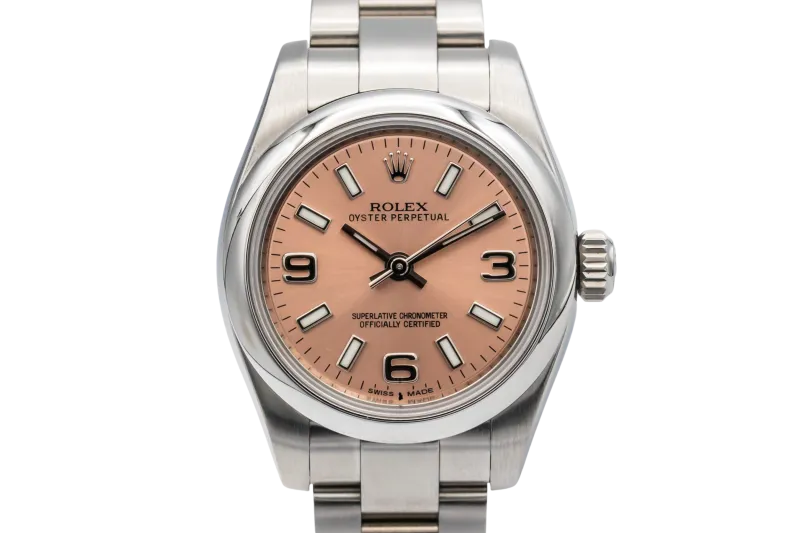
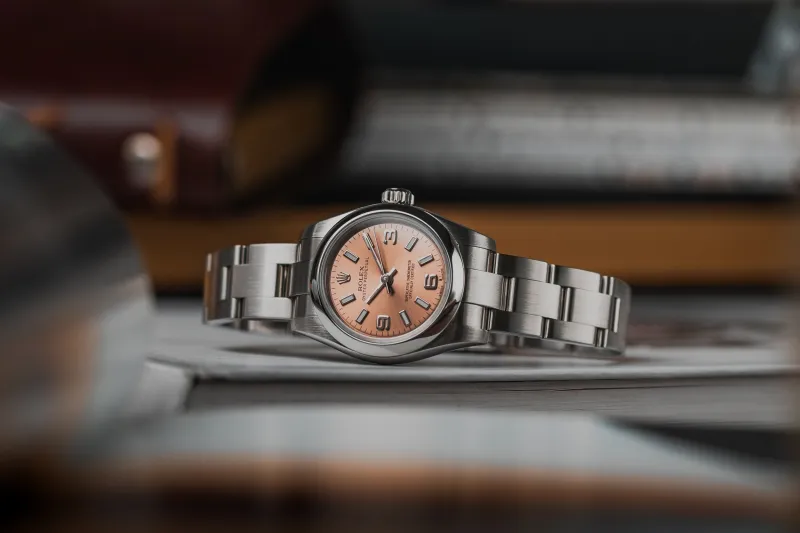
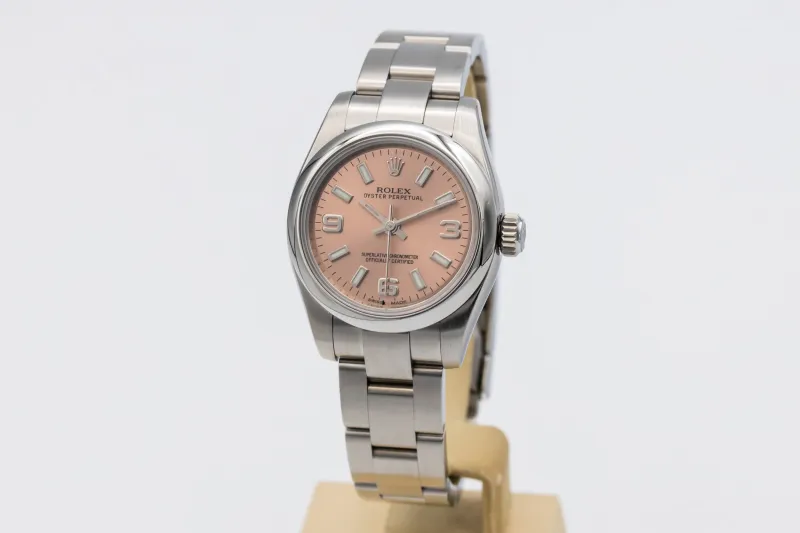
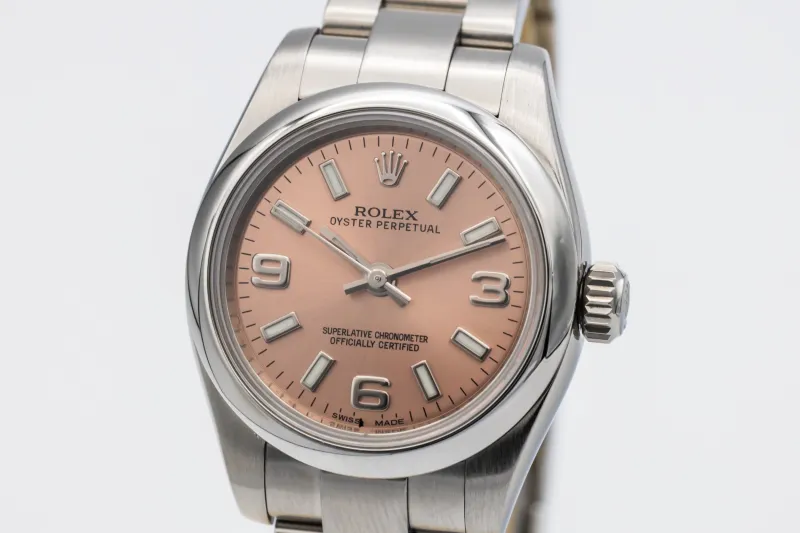
Rolex Lady Oyster Perpetual 26mm Stainless Steel Oyster 176200 2014
£4,495.00
Finance for £80.34pm
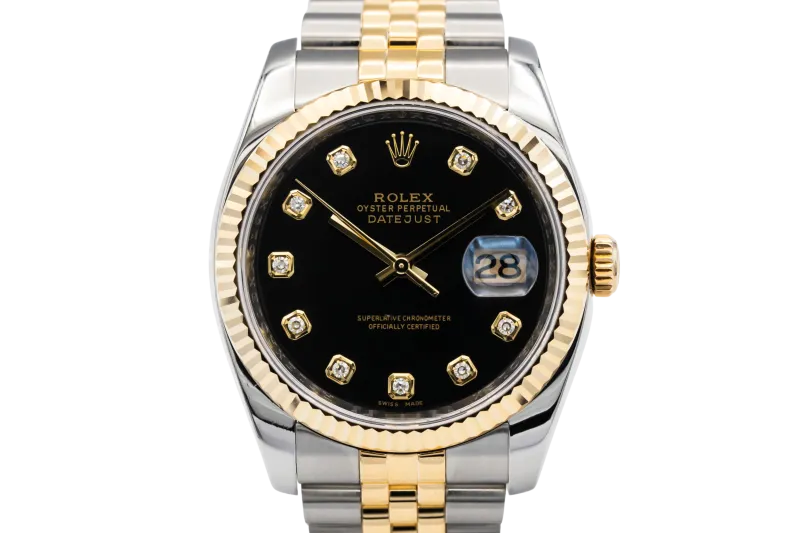
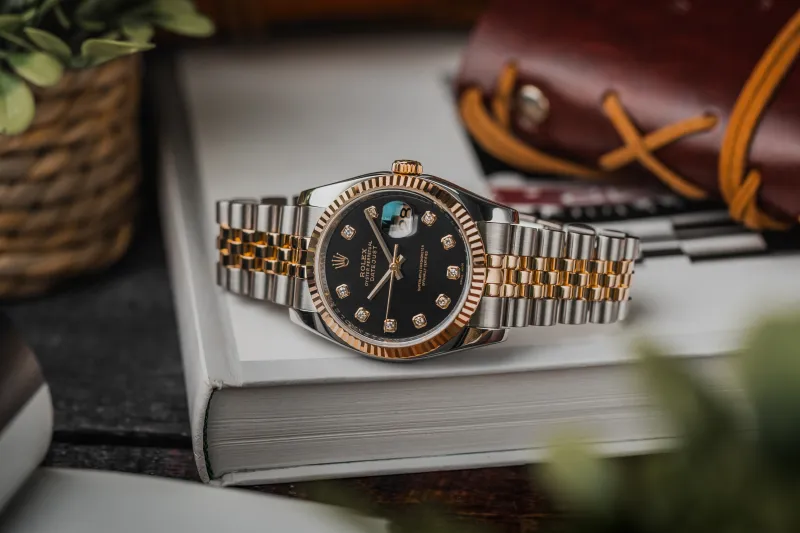
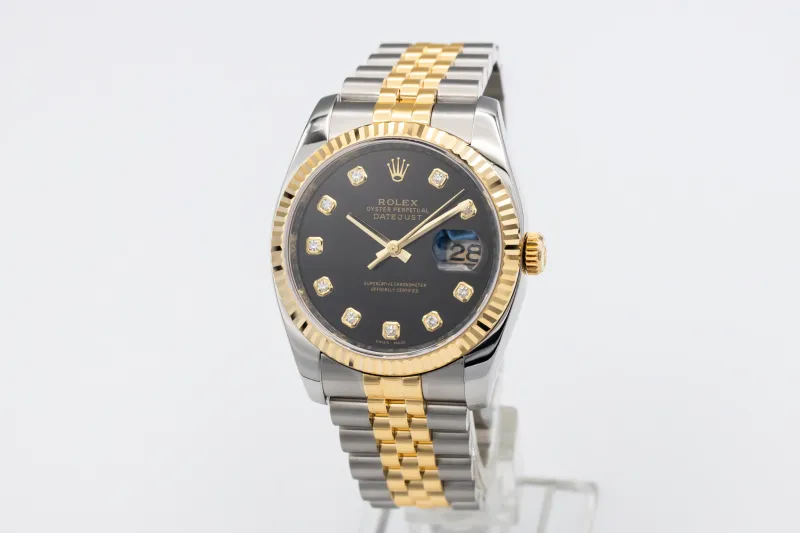
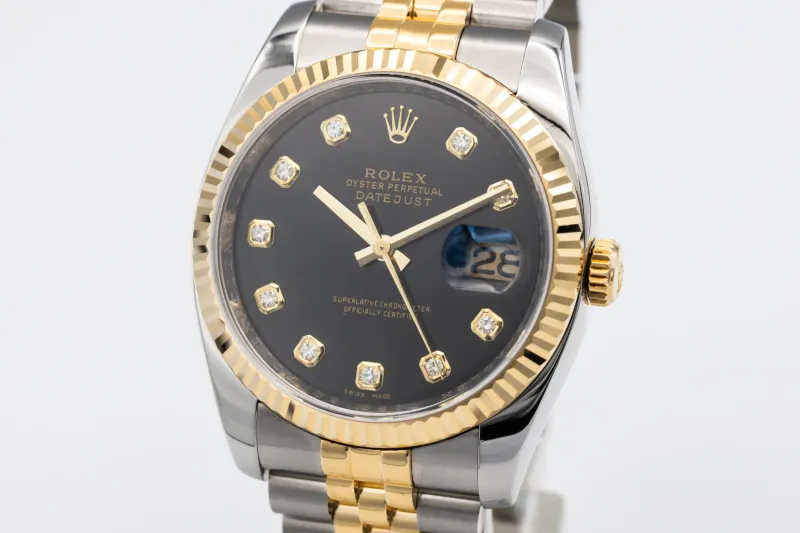
Rolex DateJust 36mm Steel & 18ct Yellow Gold Jubilee 116233 2010
£8,500.00
Finance for £151.93pm
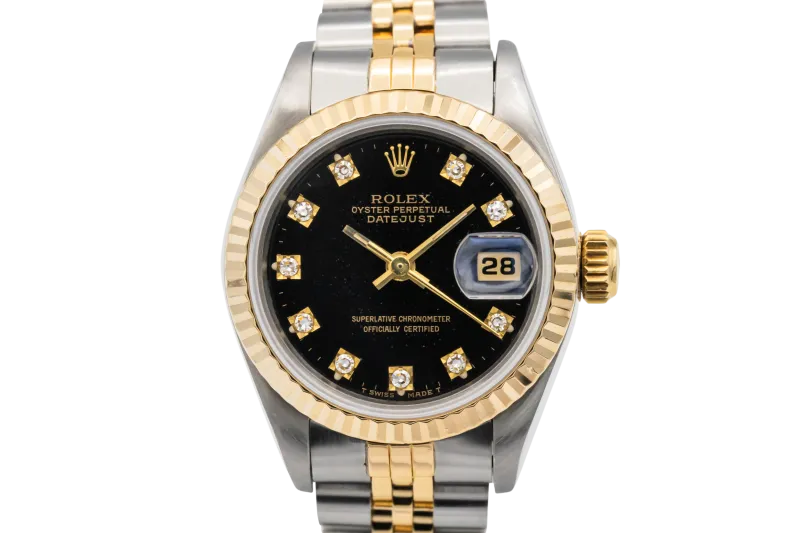
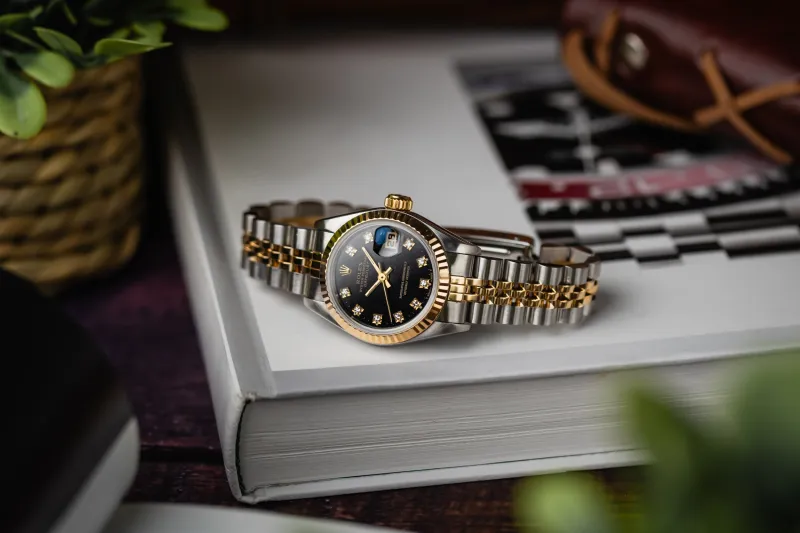
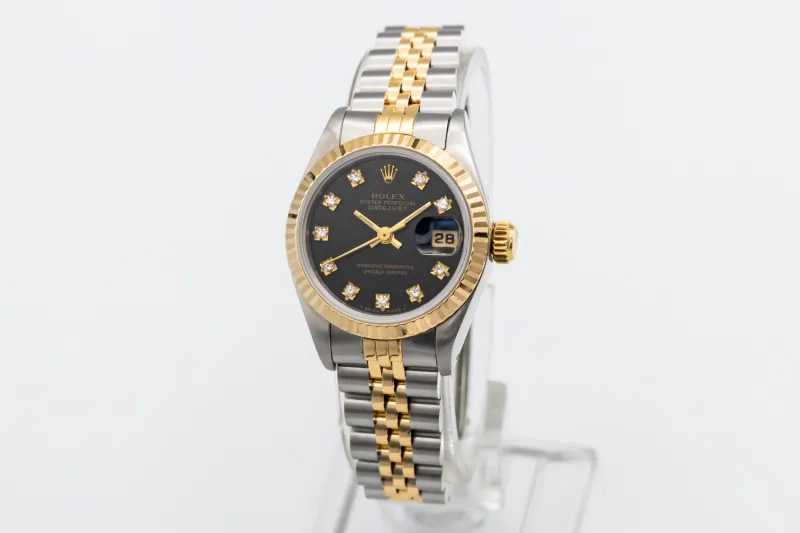
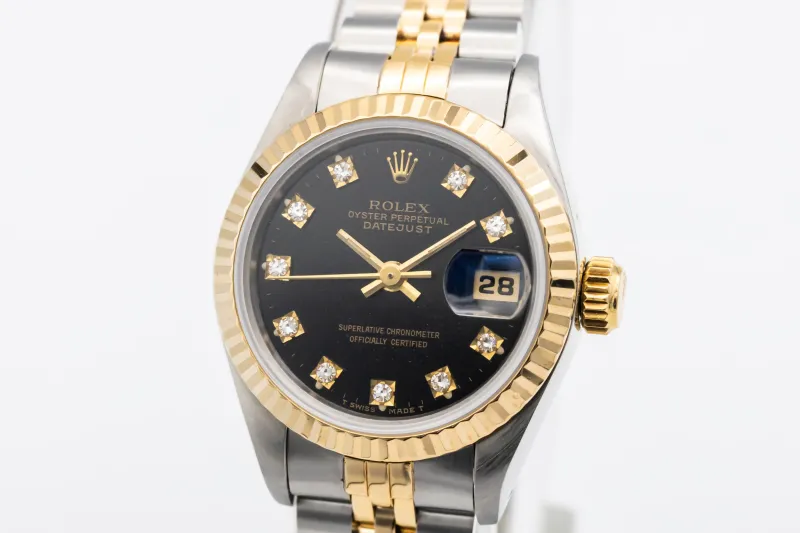
Rolex Lady DateJust 26mm Steel & 18ct Yellow Gold Jubilee 69173 1991
£5,500.00
Finance for £98.3pm
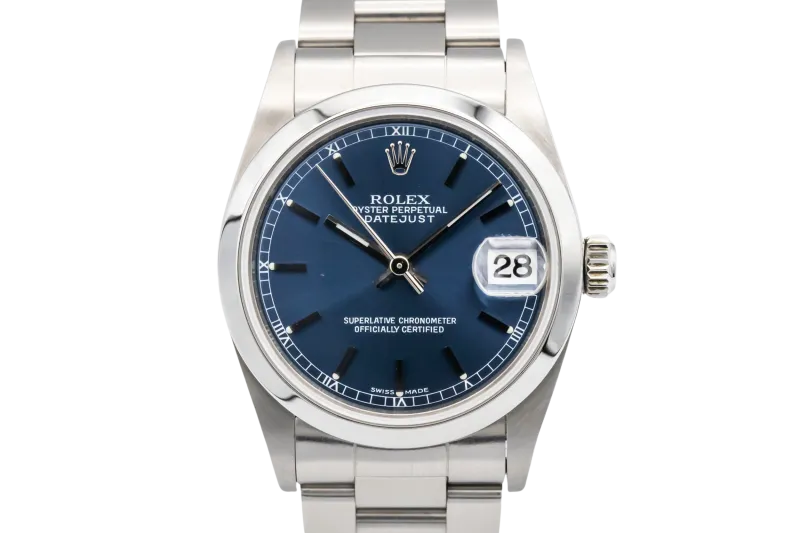
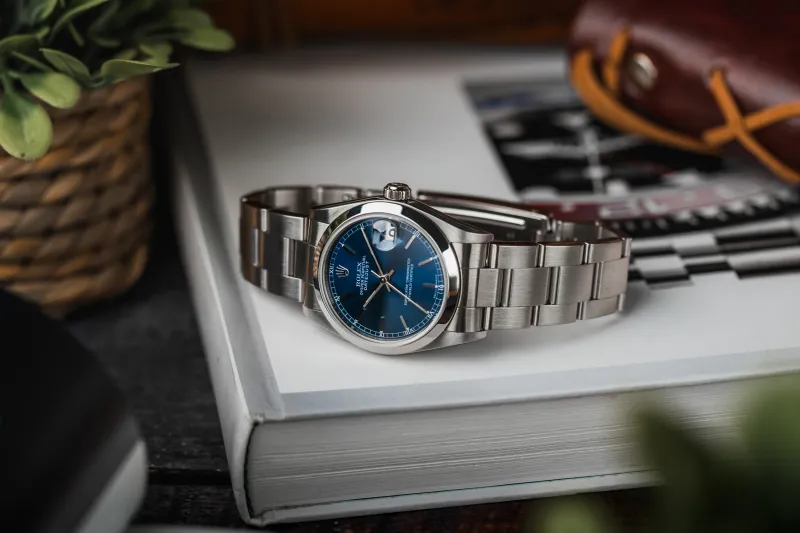
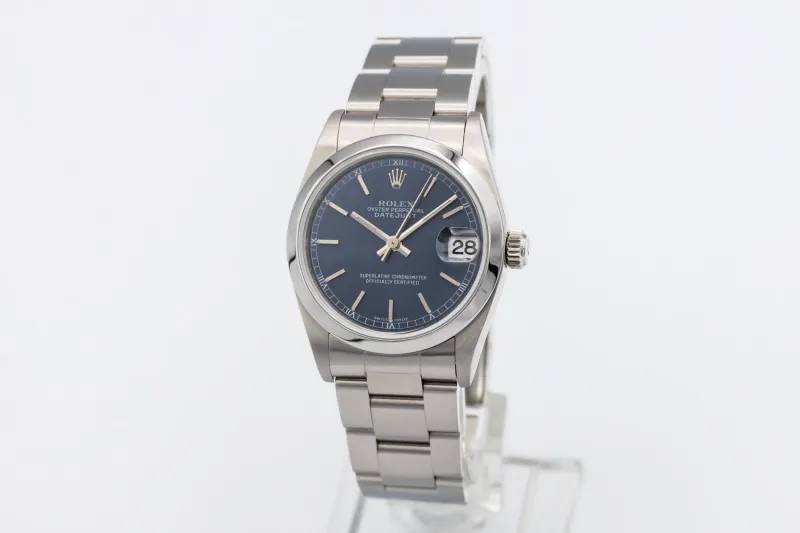
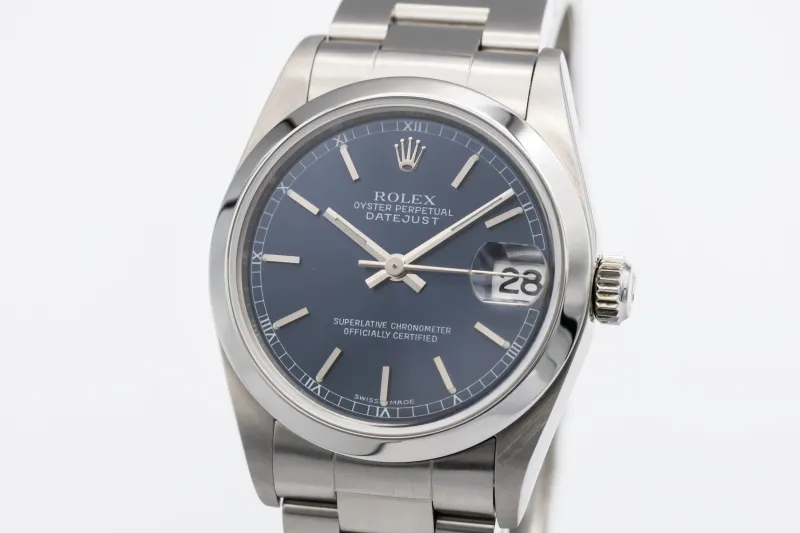
Rolex DateJust 31mm Stainless Steel Oyster 78240 2000
£4,995.00
Finance for £89.28pm
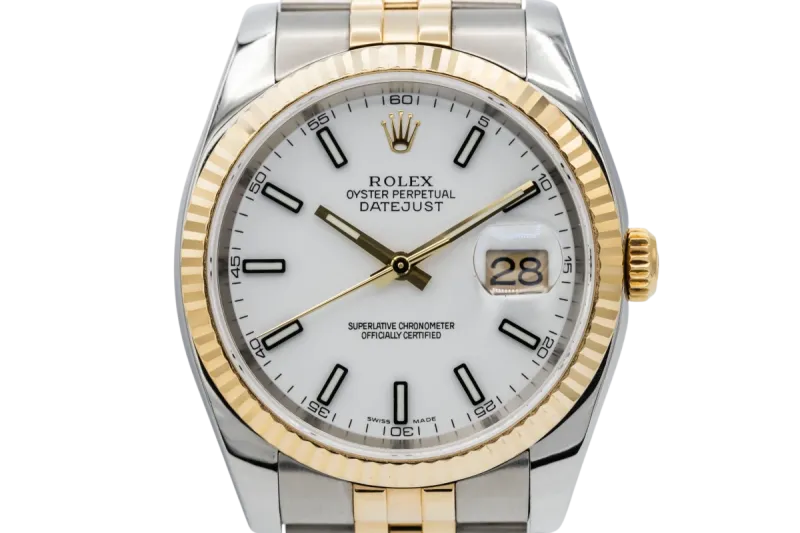
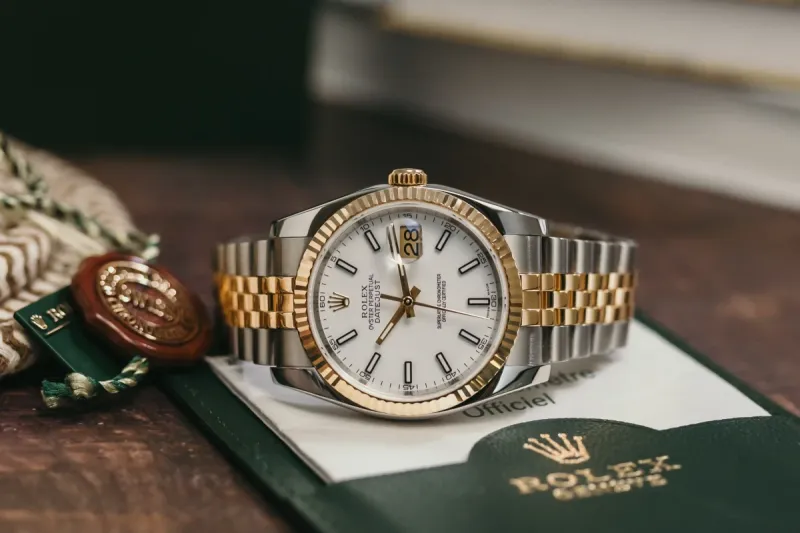
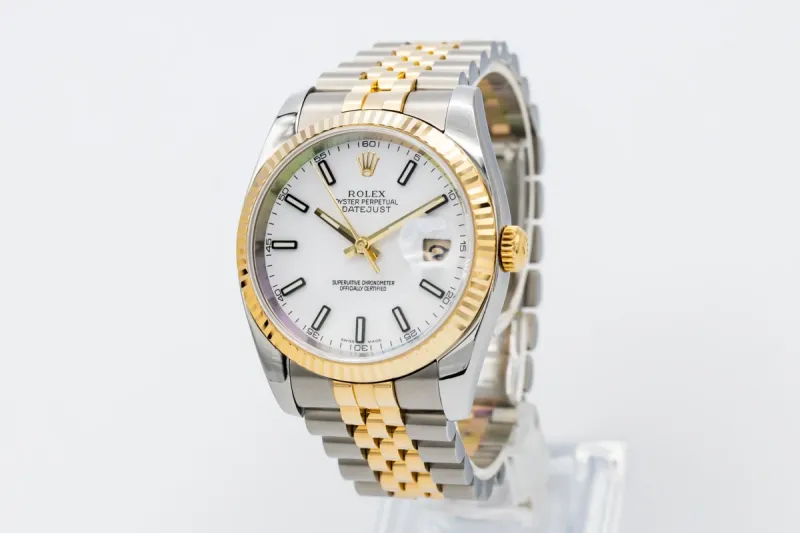
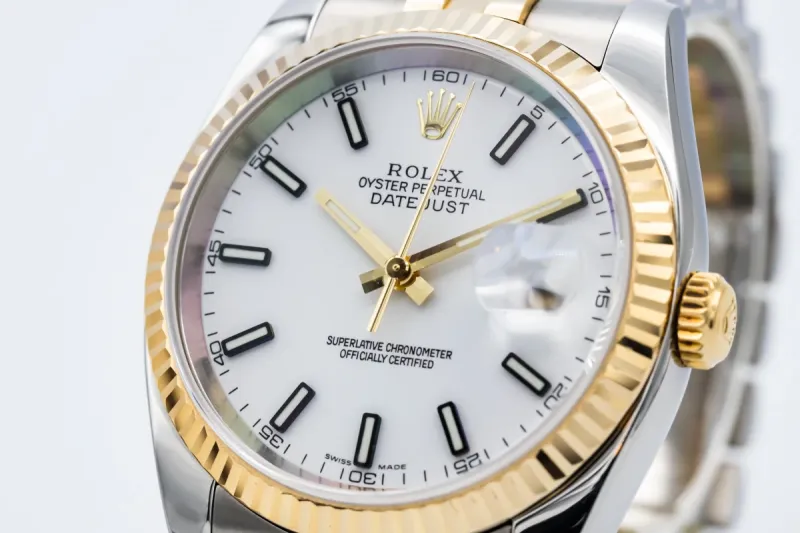
Rolex DateJust 36mm Steel & 18ct Yellow Gold Jubilee 116233 2005
£7,495.00
Finance for £133.96pm
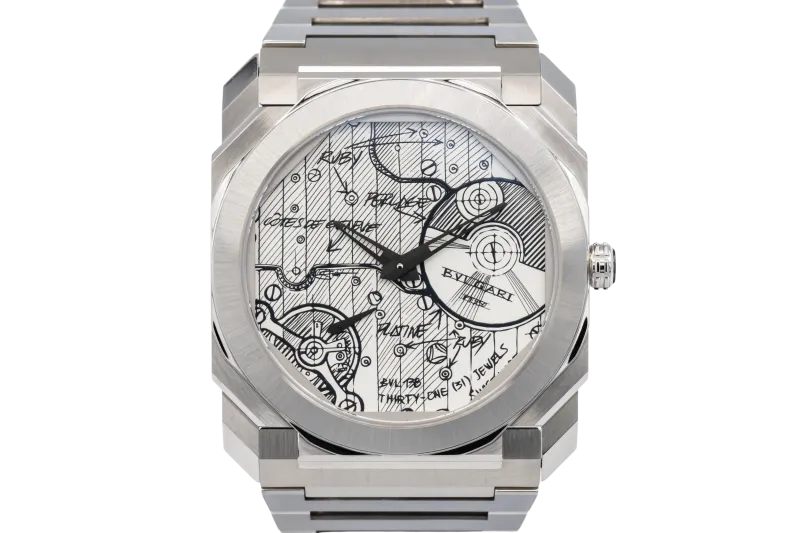
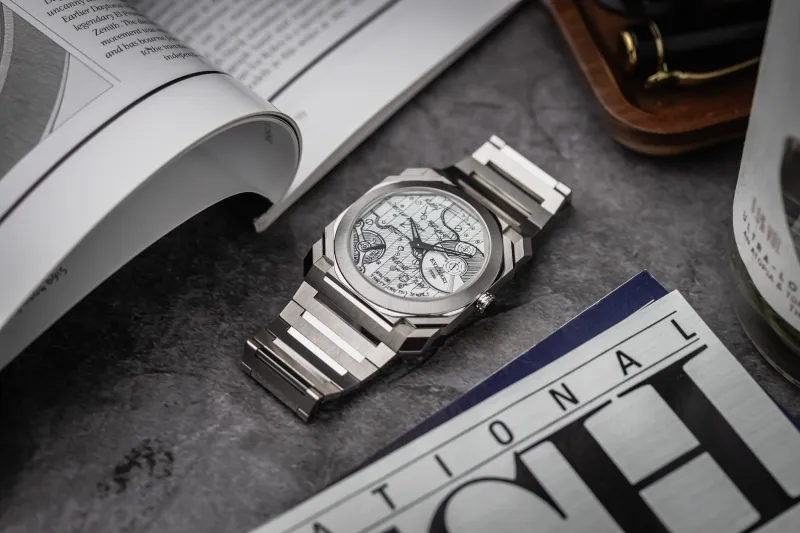
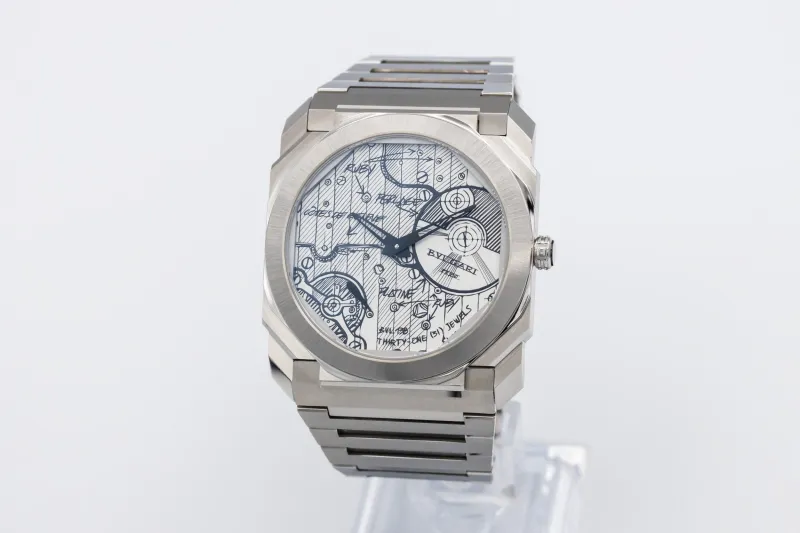
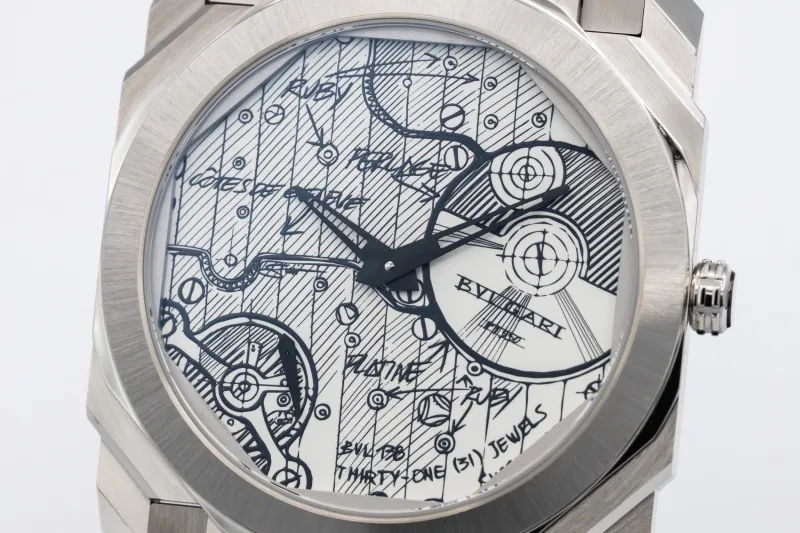
Bvlgari Octo Finissimo Sketch 40mm Stainless Steel 104163 2024
£14,995.00
Finance for £268.01pm
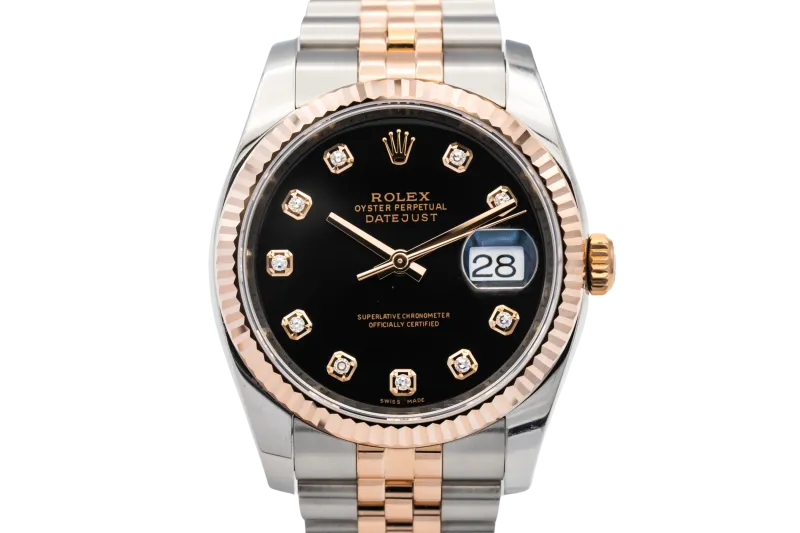
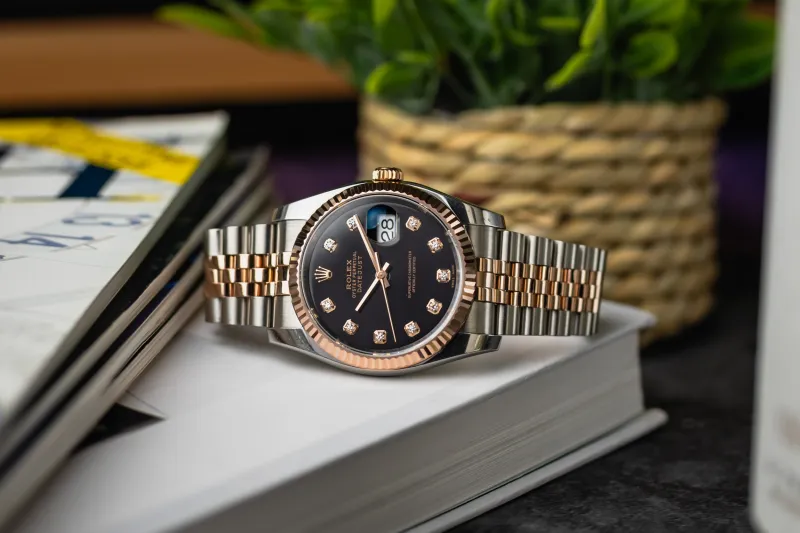
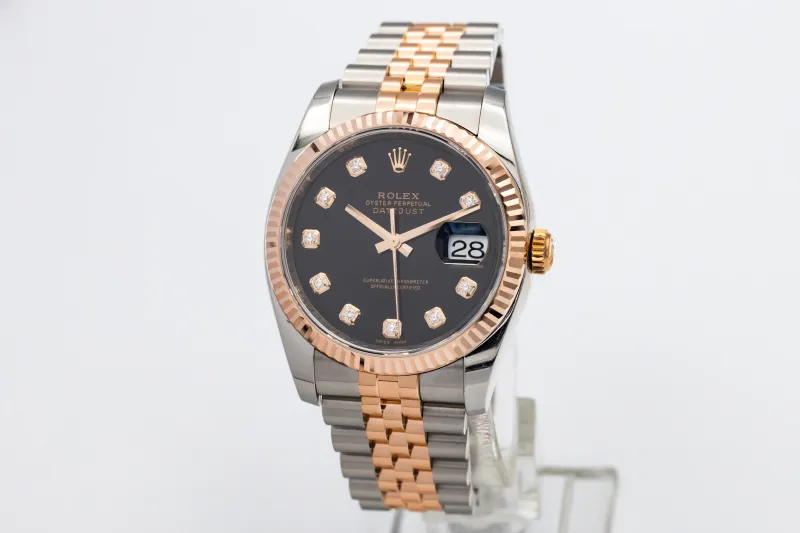
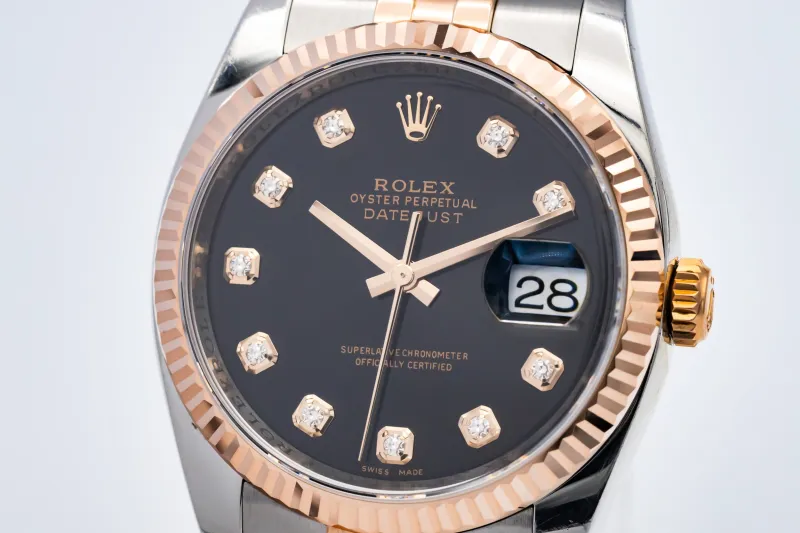
Rolex DateJust 36mm Stainless Steel 18ct Rose Gold Jubilee 116231 2016
£9,950.00
Finance for £177.84pm
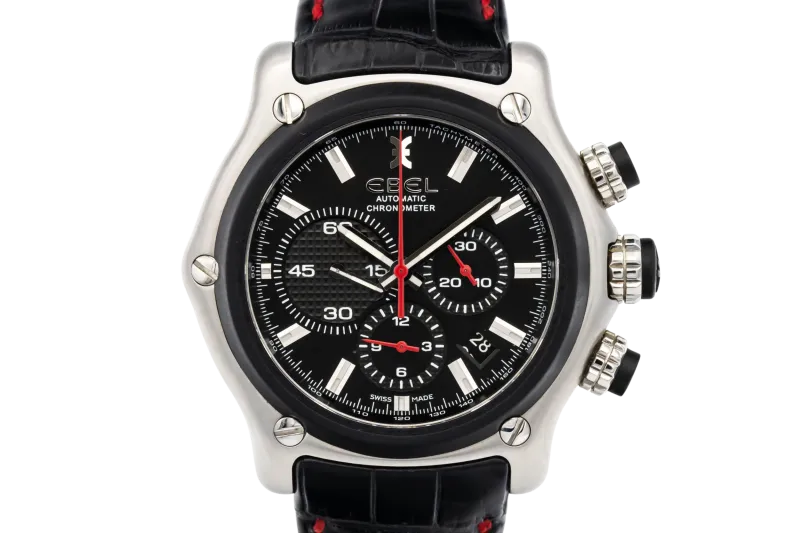
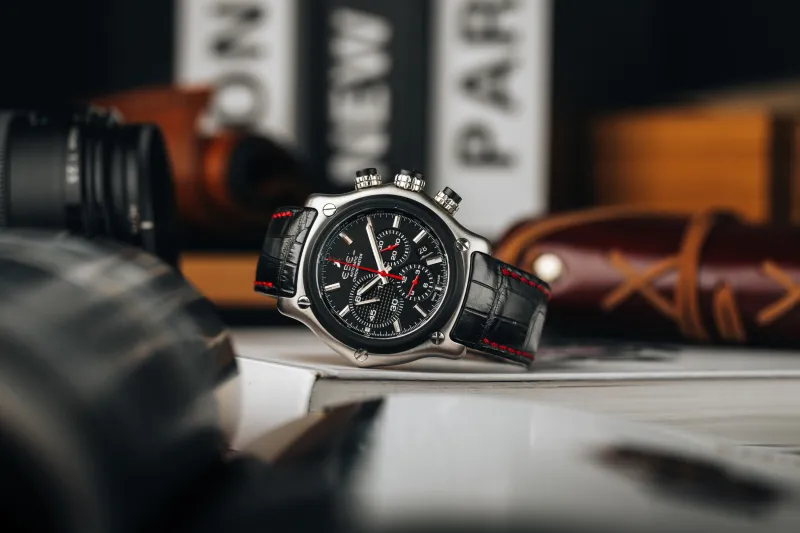
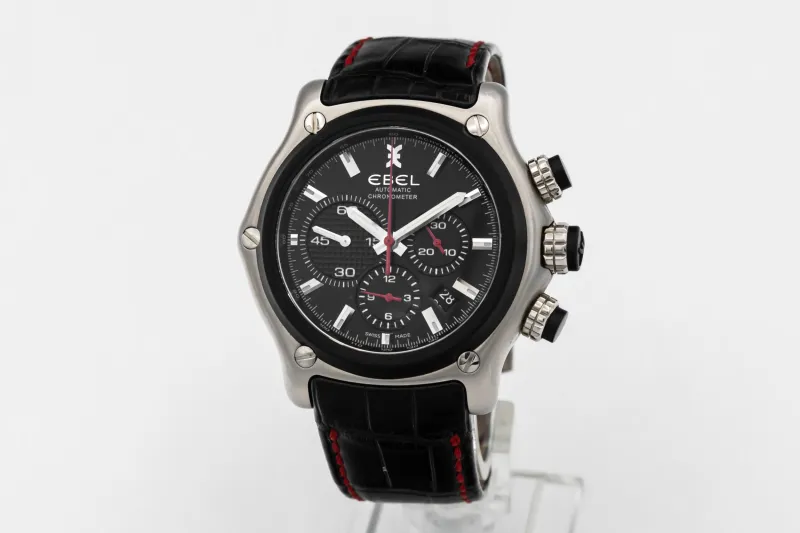
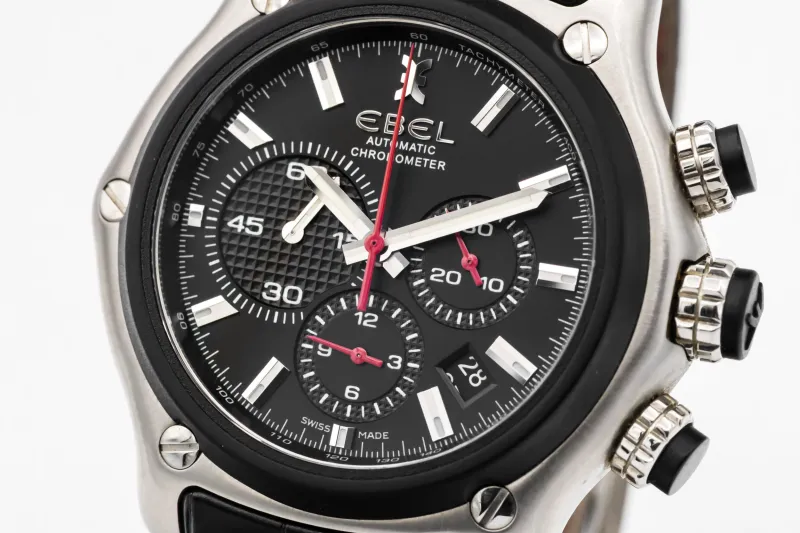
Ebel 1911 BTR Chronograph 45mm Black Leather E9137L73 Circa 2000s
£2,995.00
Finance for £53.53pm
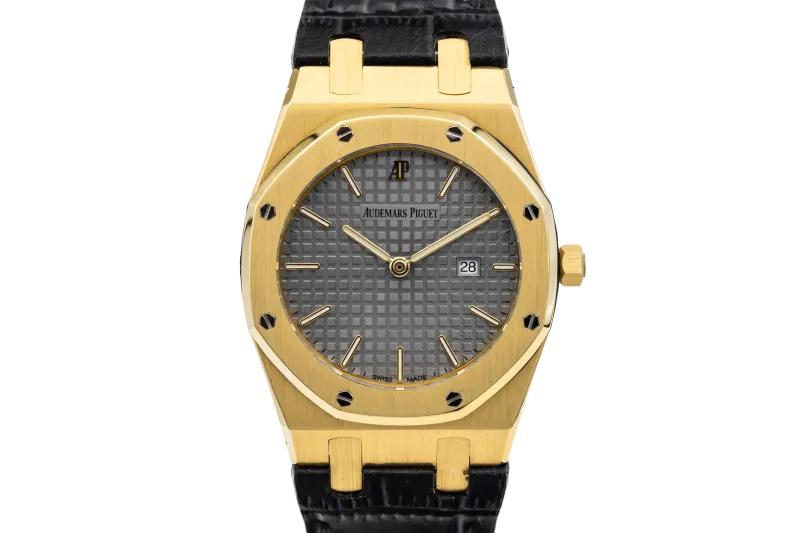
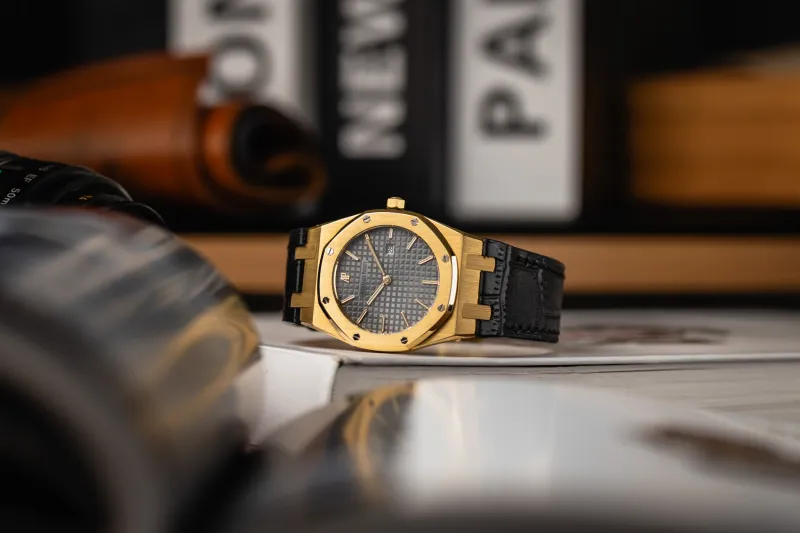
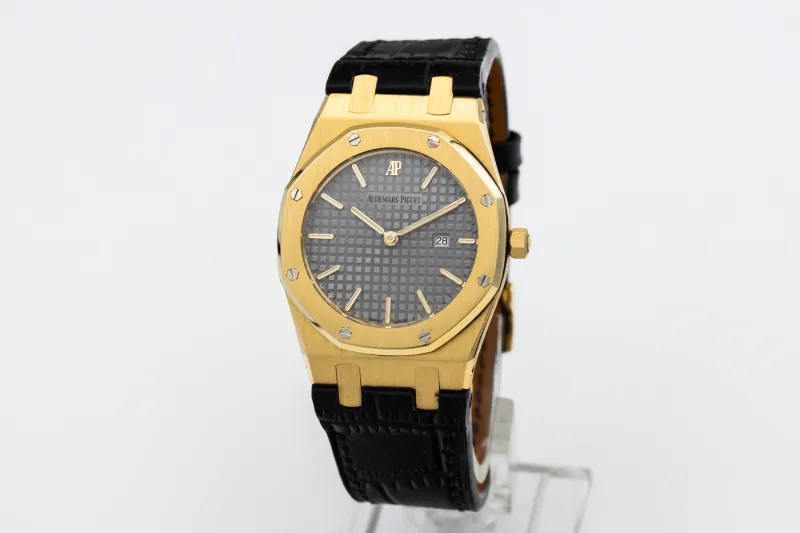
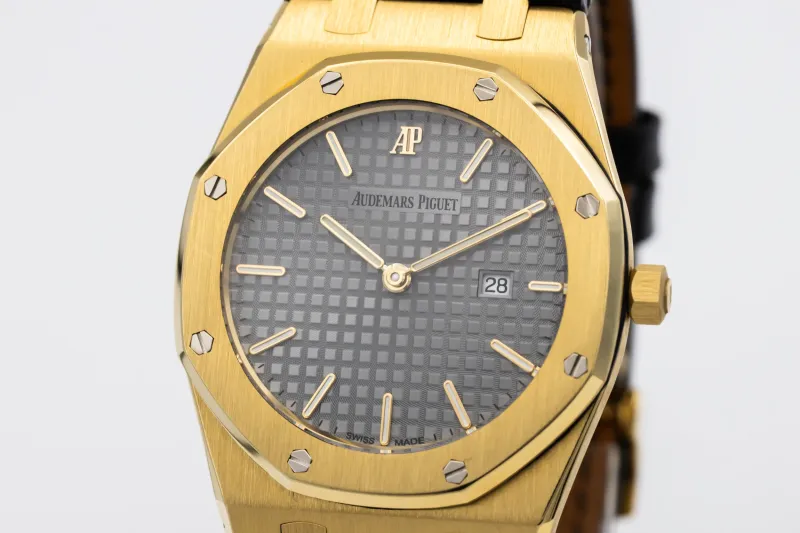
Audemars Piguet Royal Oak 33mm Black Leather 56715BA.OO Circa 1990s
£18,995.00
Finance for £339.51pm
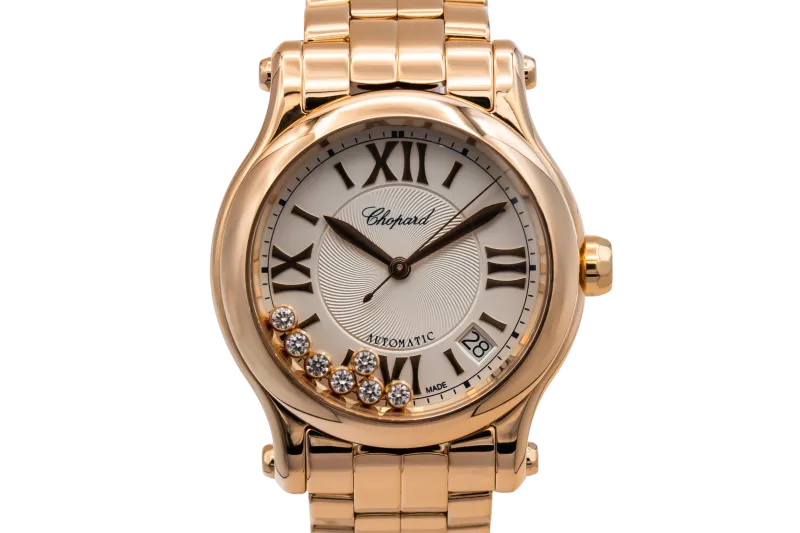
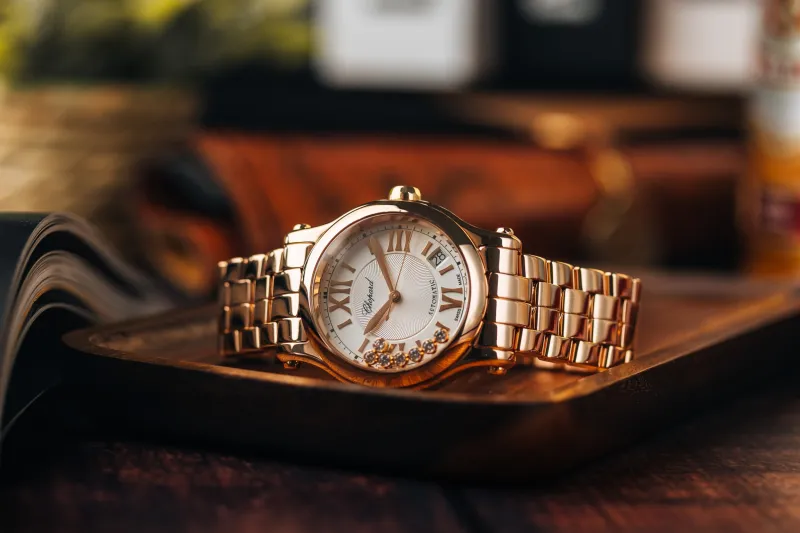
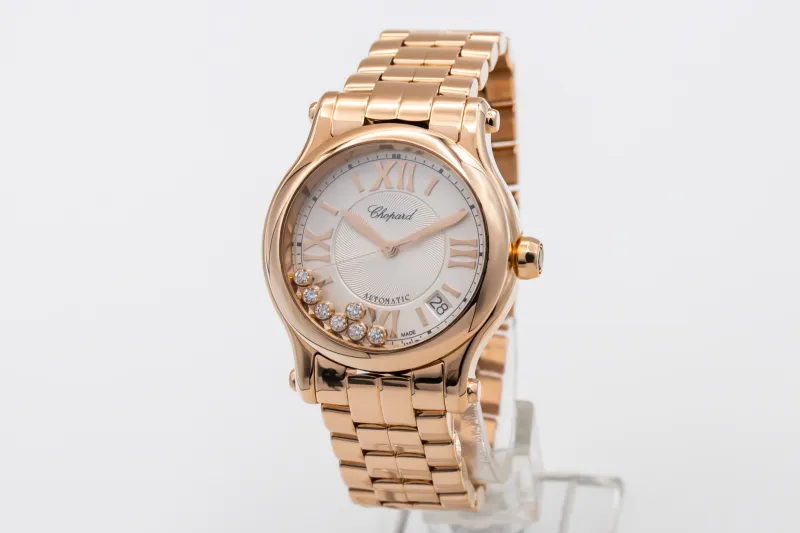
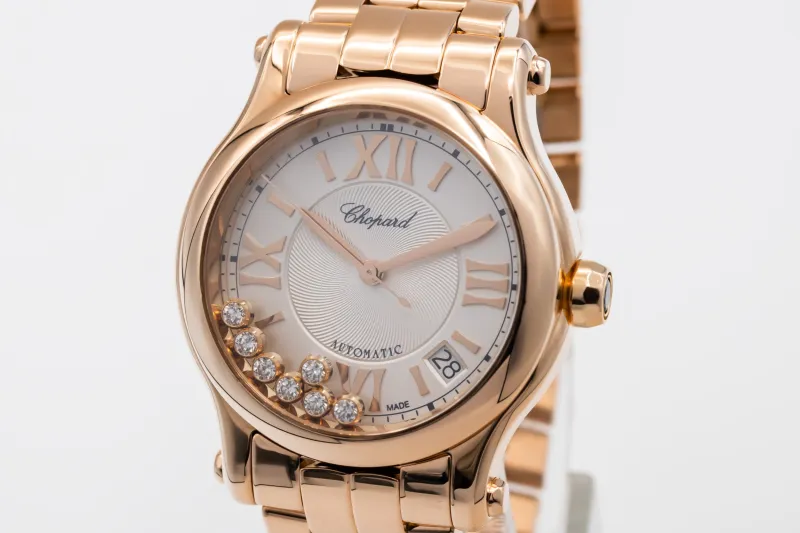
Chopard Happy Sport 36mm 18ct Rose Gold 274808-5002 2015
£15,995.00
Finance for £285.89pm
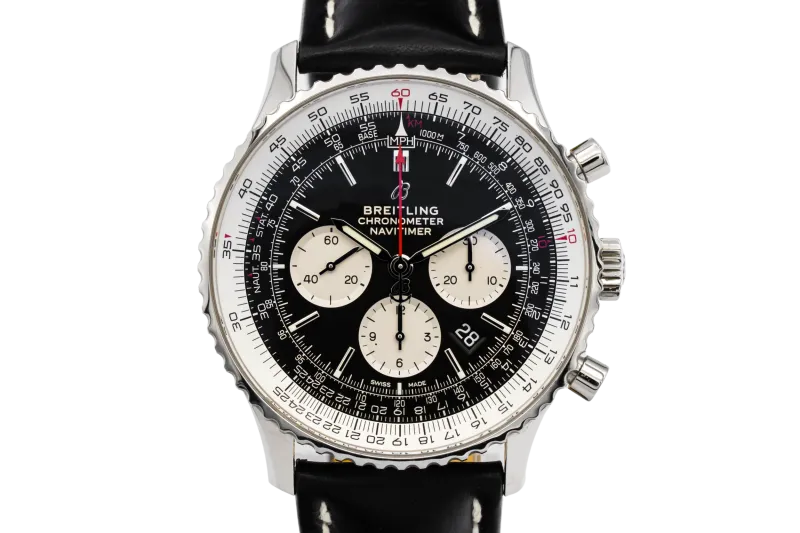
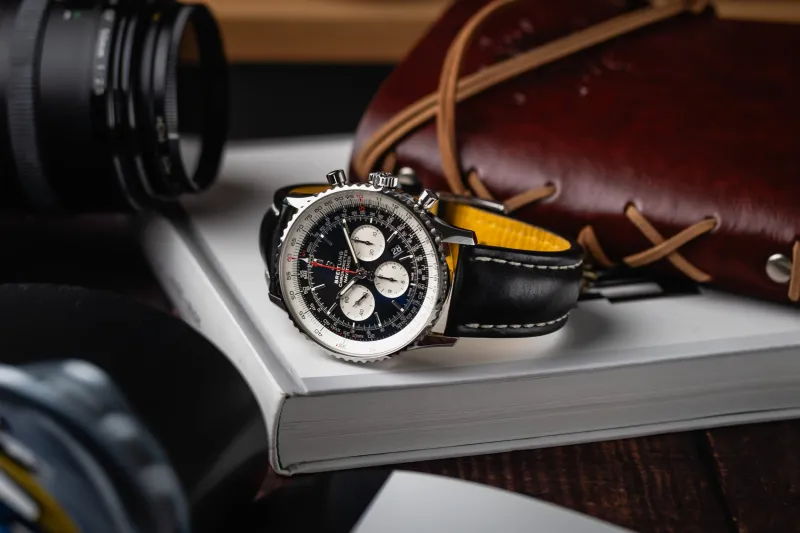
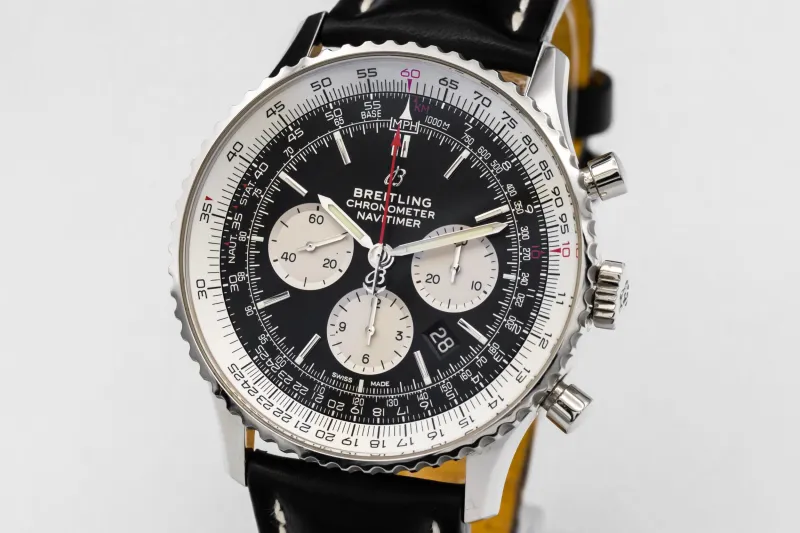
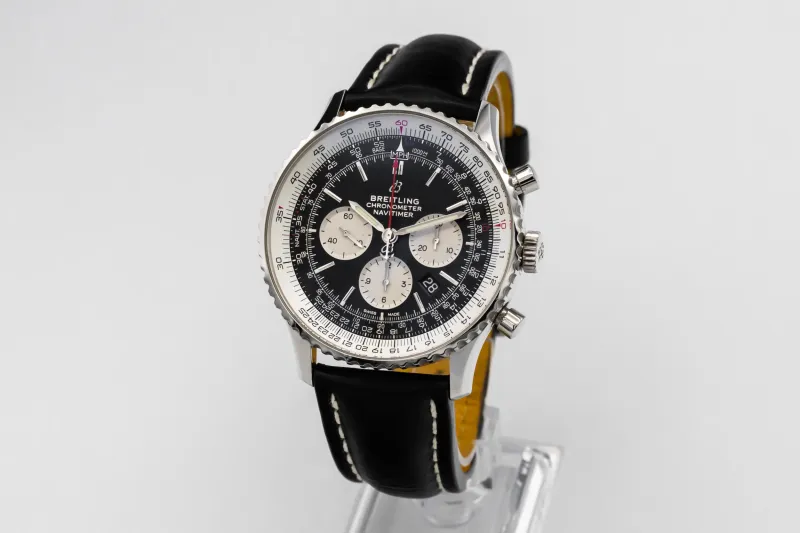
Breitling Navitimer B01 Chronograph 46mm Black Leather AB0127 2021
£5,995.00
Finance for £107.15pm
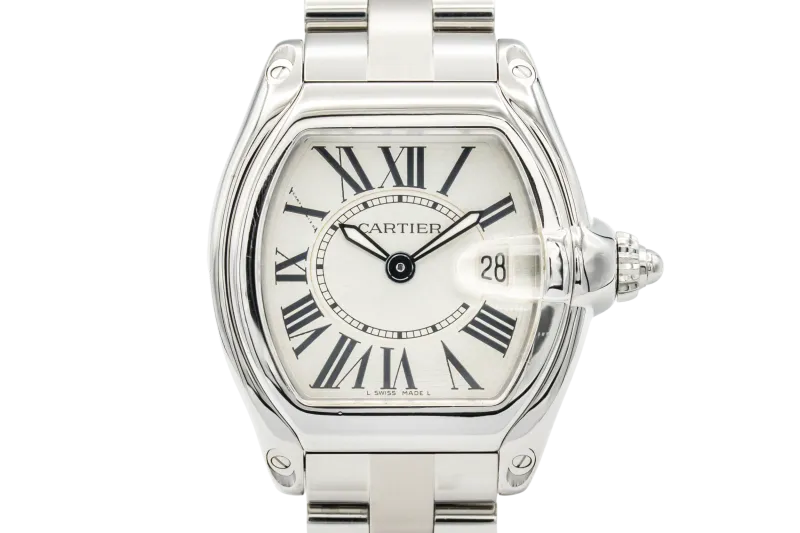
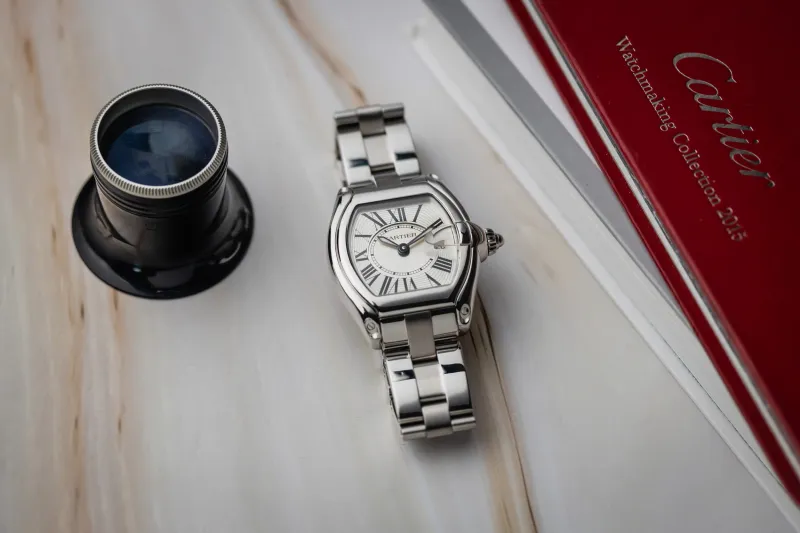
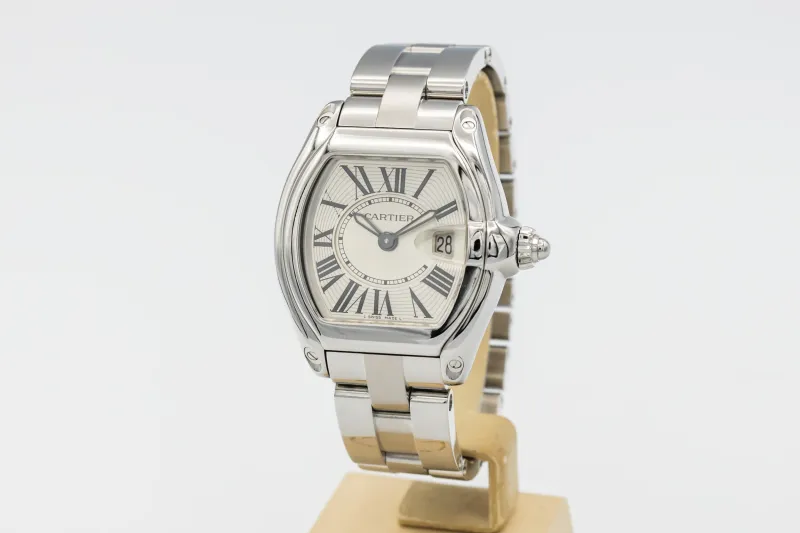
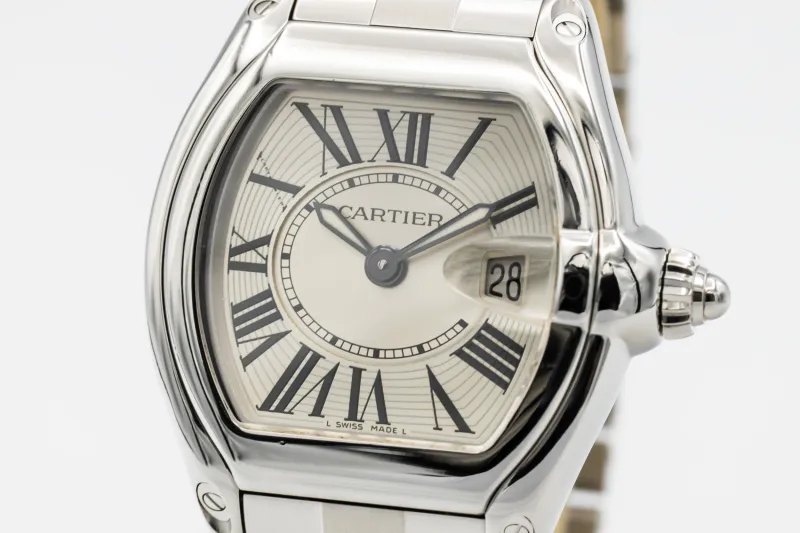
Cartier Roadster 37mmx31mm Stainless Steel W62016V3/2675 Circa 2010
£2,995.00
Finance for £53.53pm
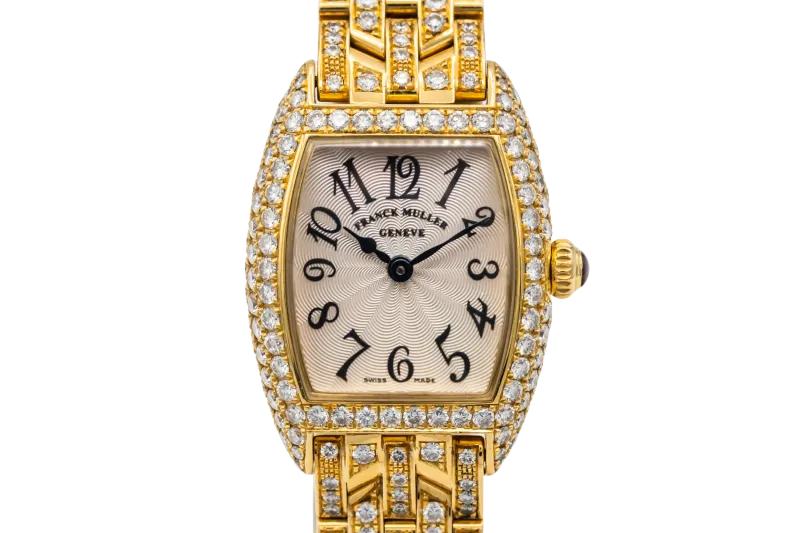
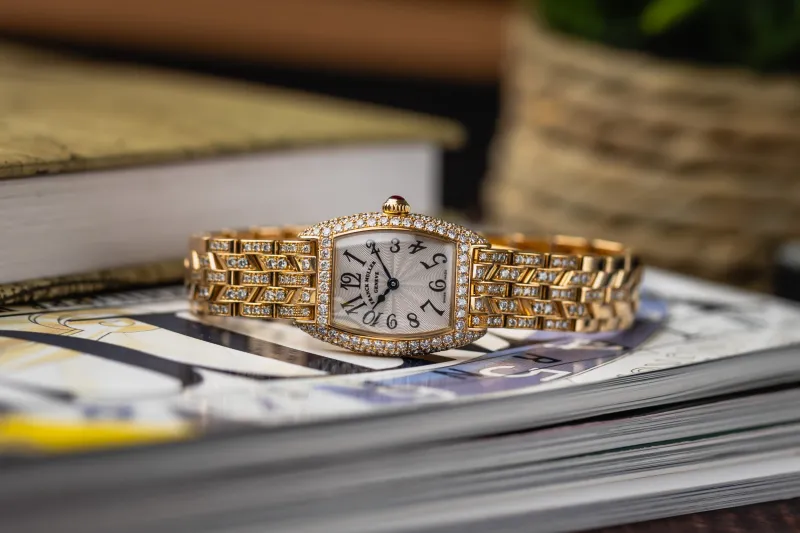
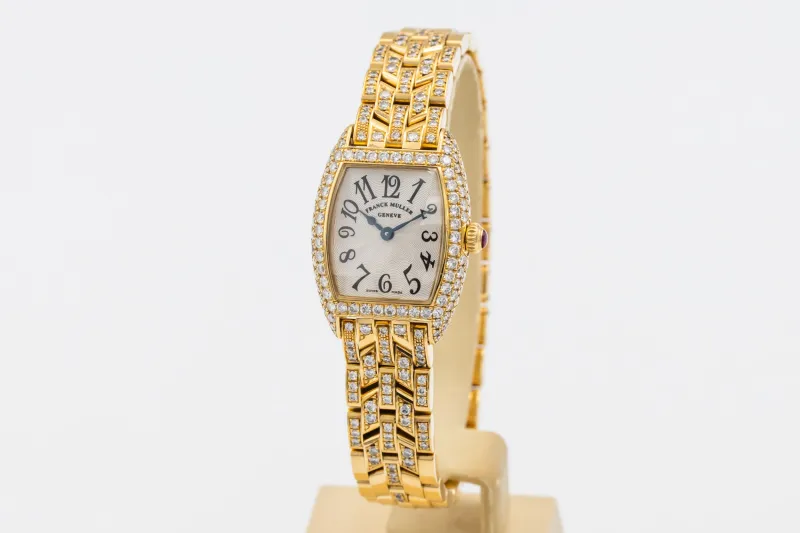
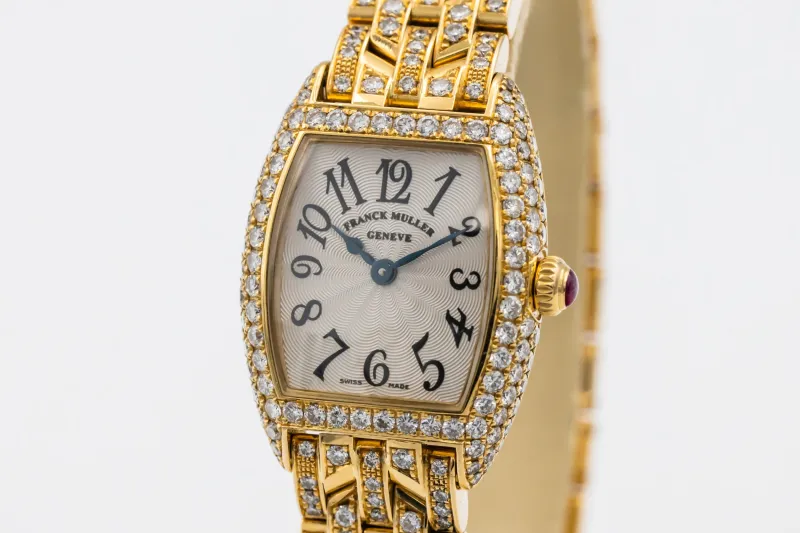
Franck Muller Cintrée Curvex 21mmx19mm 18ct Yellow Gold 2500 Q ZD 2001
£11,995.00
Finance for £214.39pm
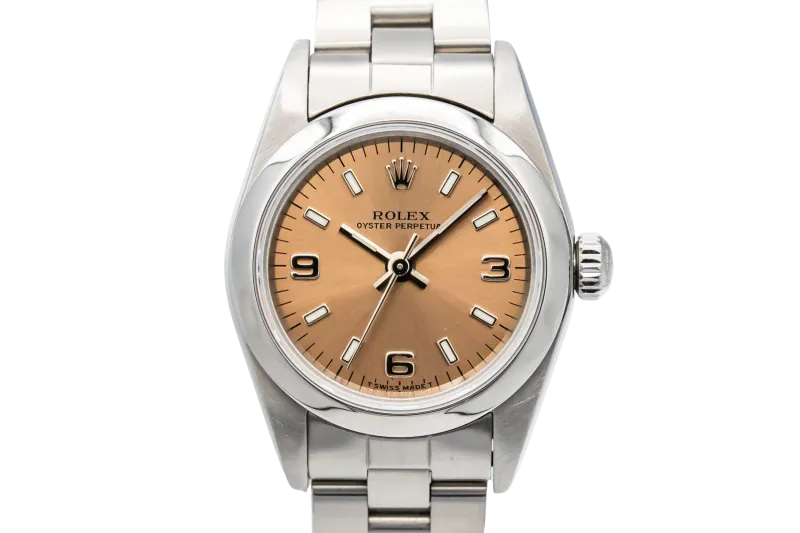
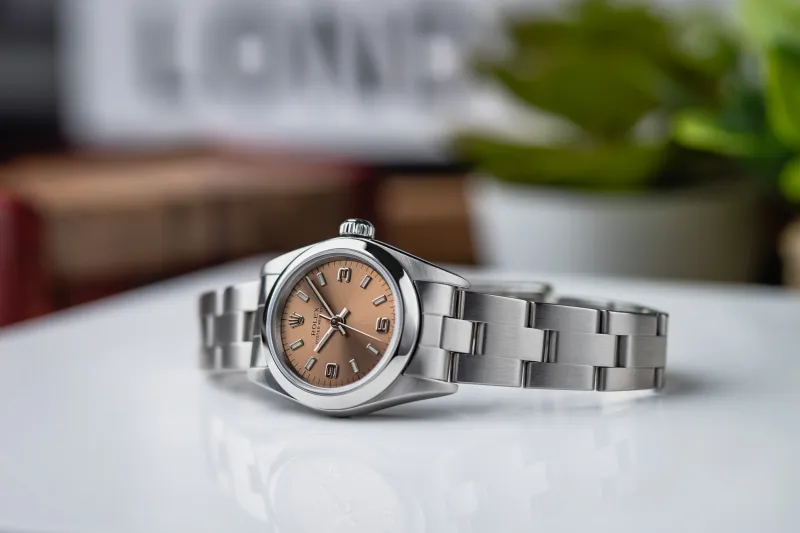
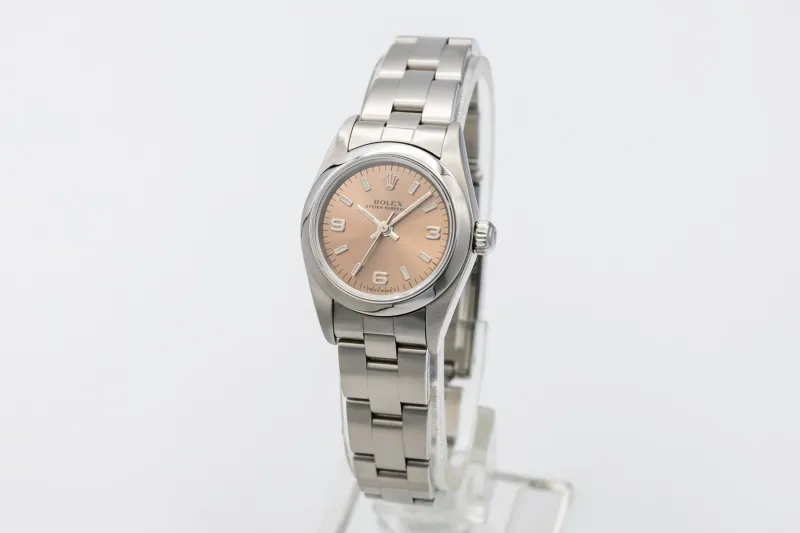
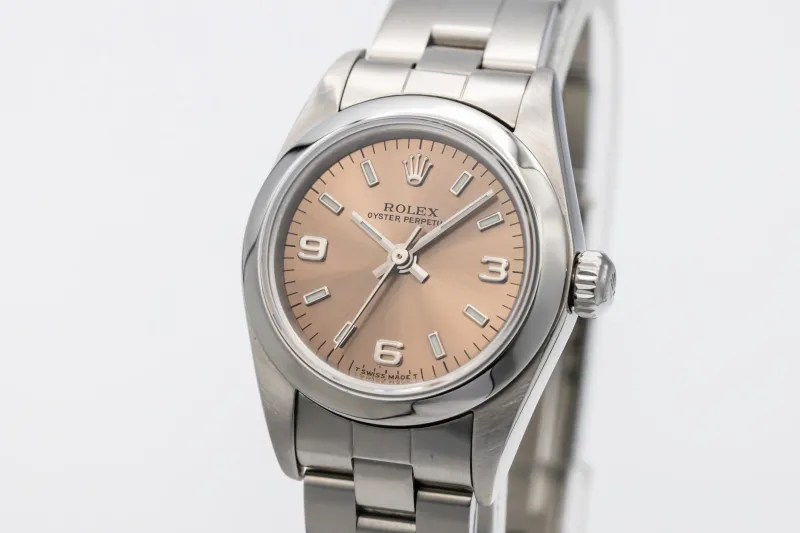
Rolex Lady Oyster Perpetual 26mm Stainless Steel Oyster 76080 1999
£3,450.00
Finance for £61.66pm
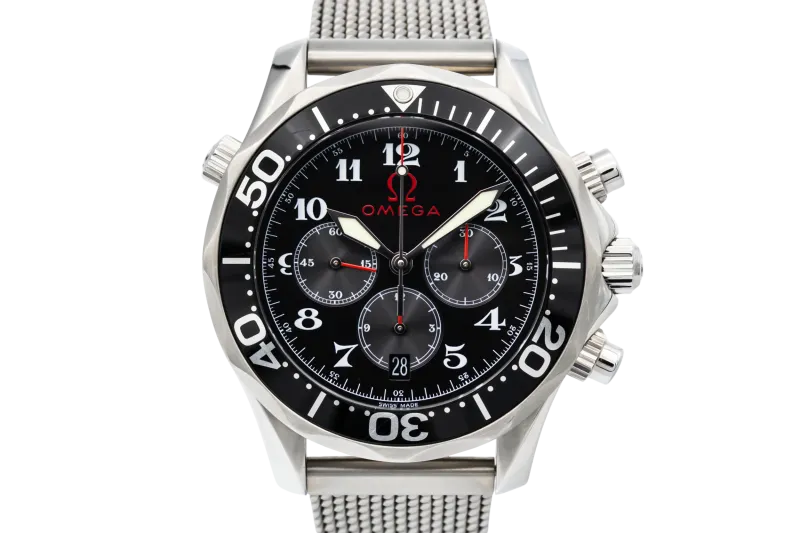
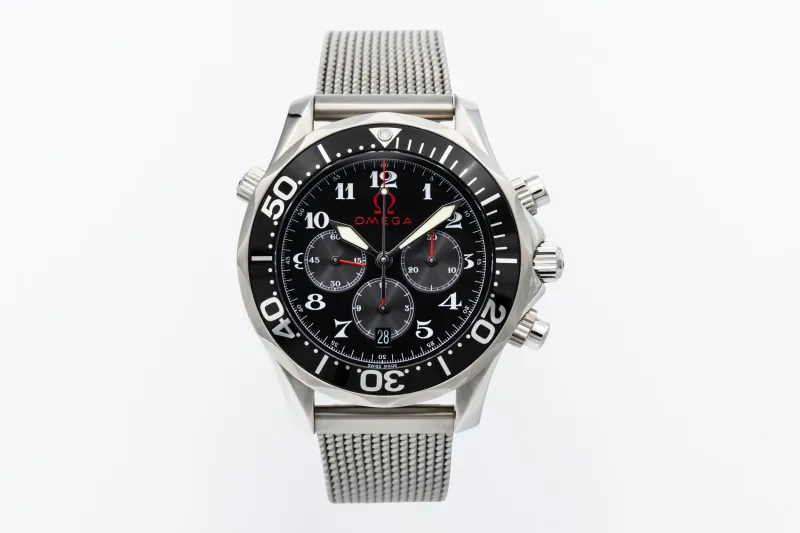
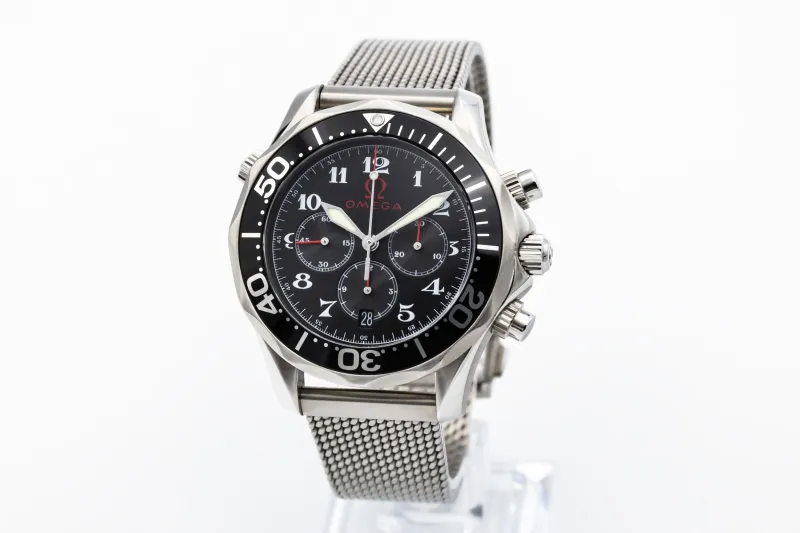
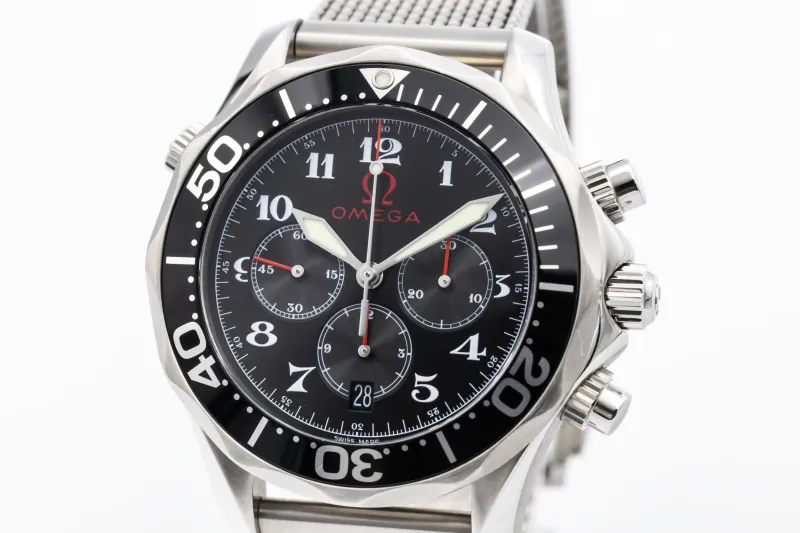
OMEGA Seamaster Olympic Collection 41mm Stainless Steel 2894.51.91 2005
£3,795.00
Finance for £67.83pm
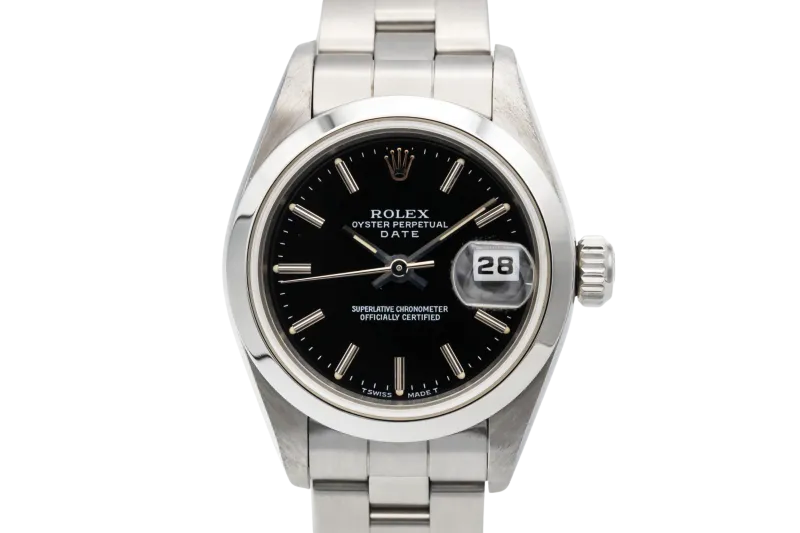
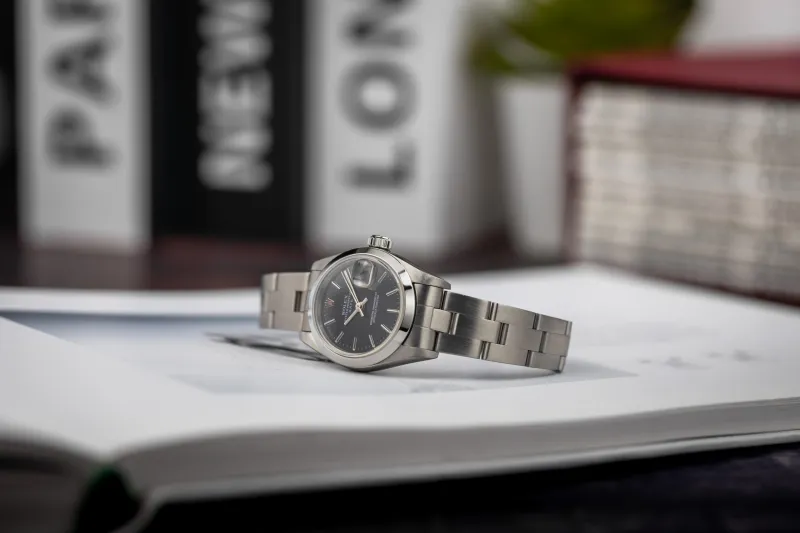
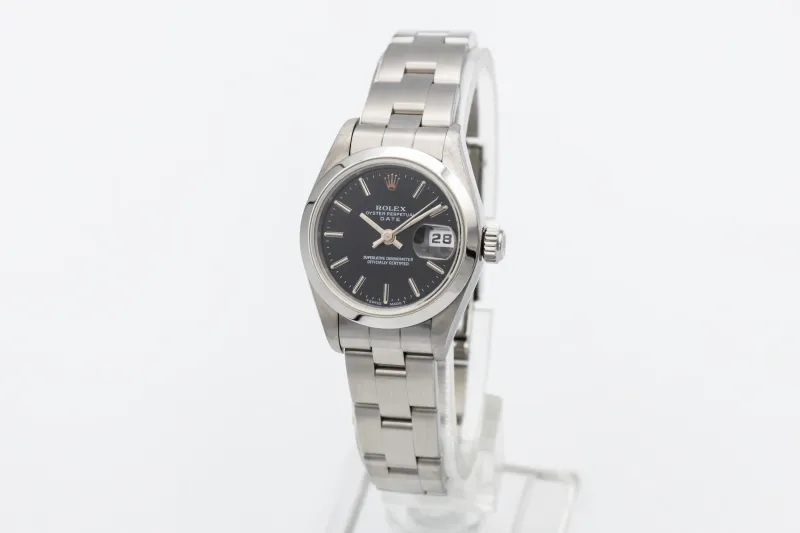
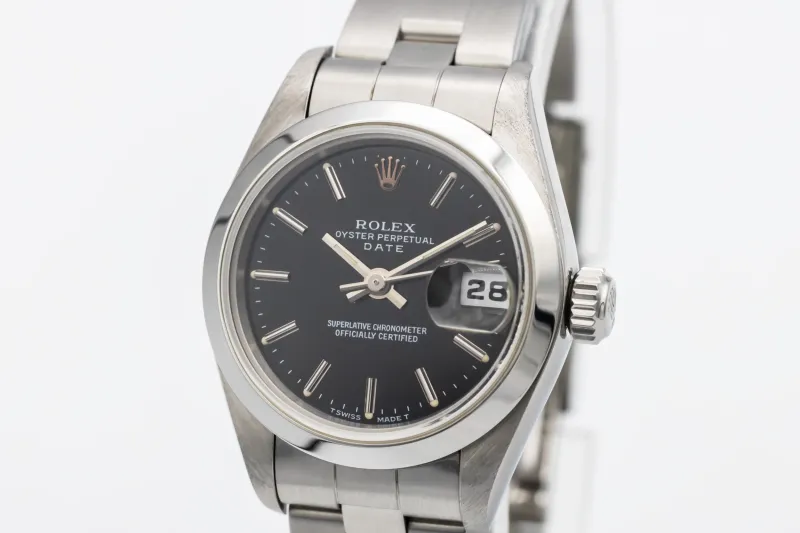
Rolex Lady DateJust 26mm Stainless Steel Oyster 69160 1997
£3,995.00
Finance for £71.41pm
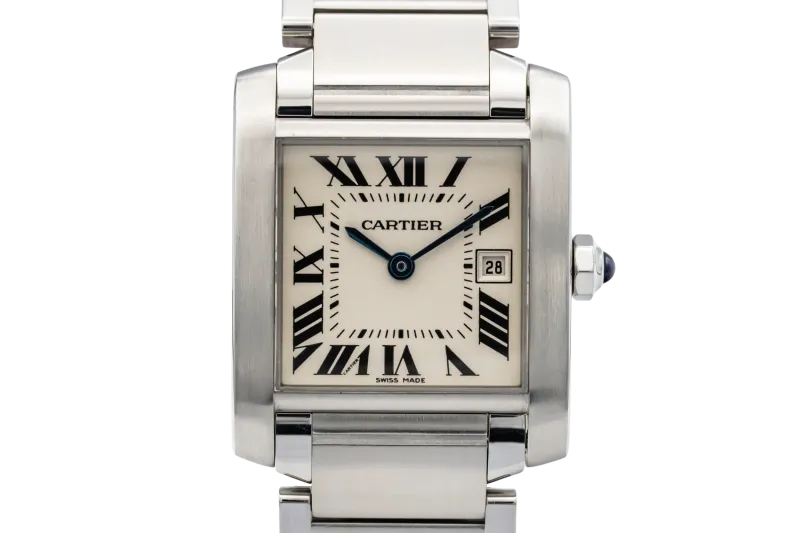
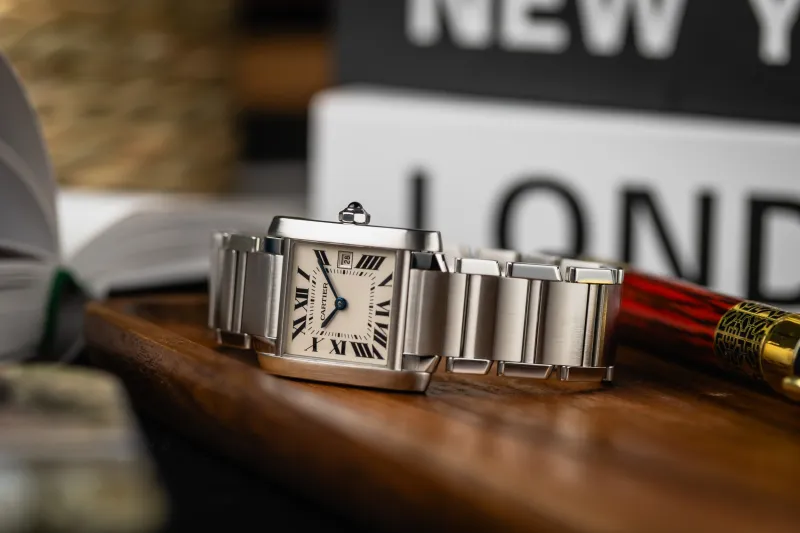
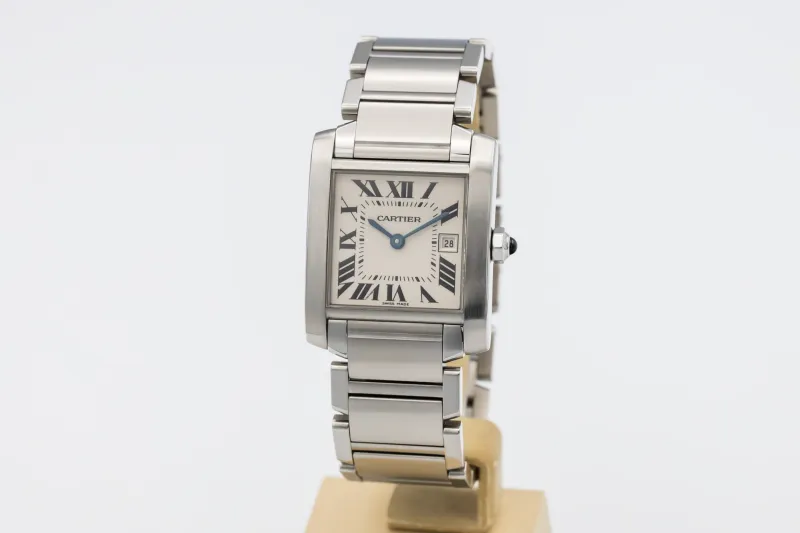
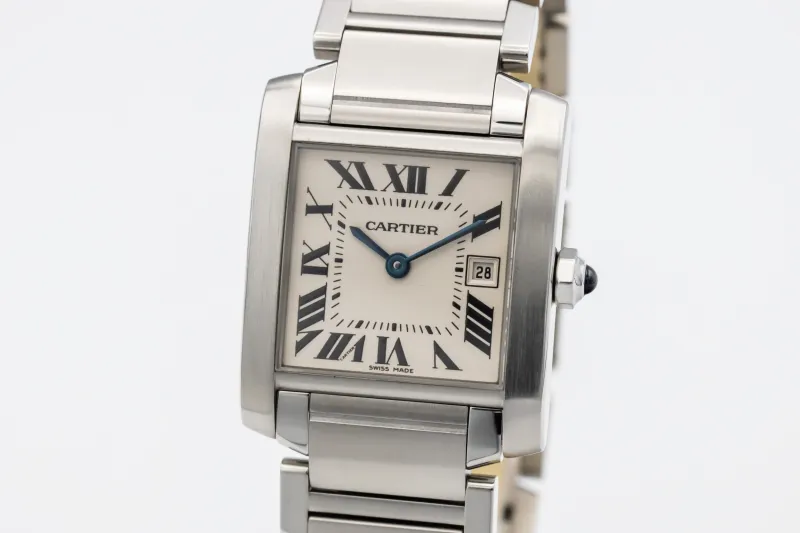
Cartier Tank Francaise 25mm Stainless Steel W51011Q3/2465 2003
£3,295.00
Finance for £58.89pm
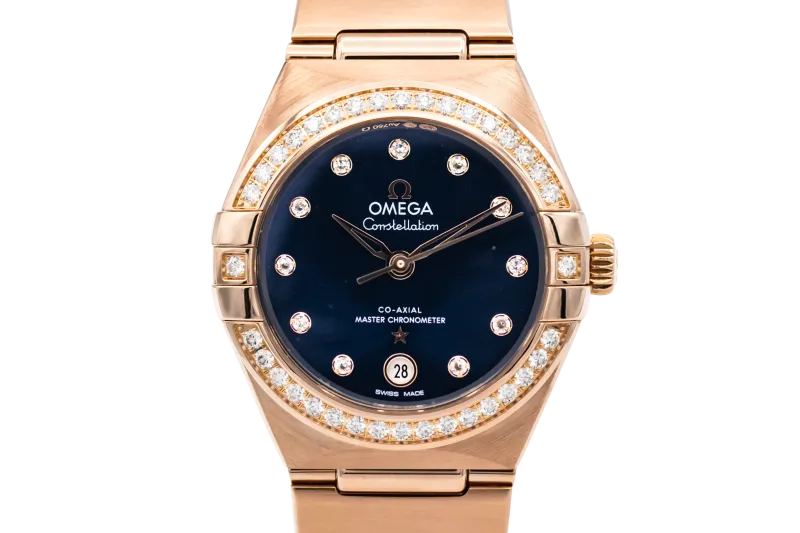
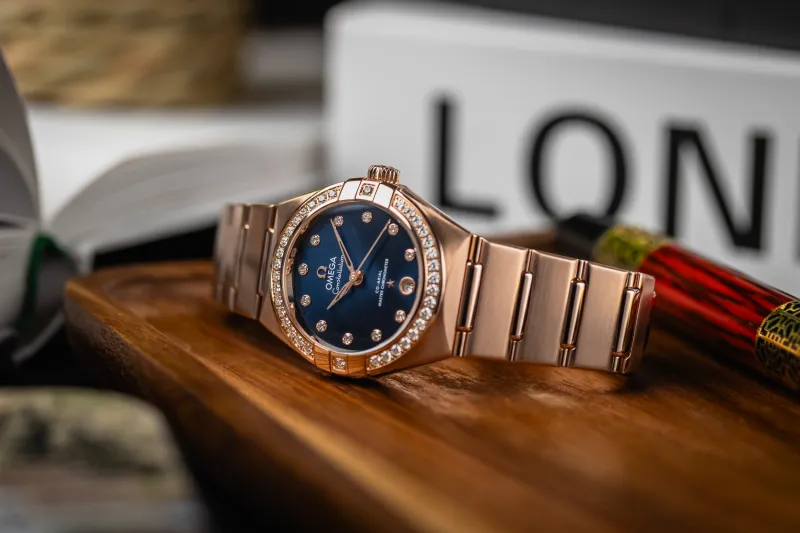
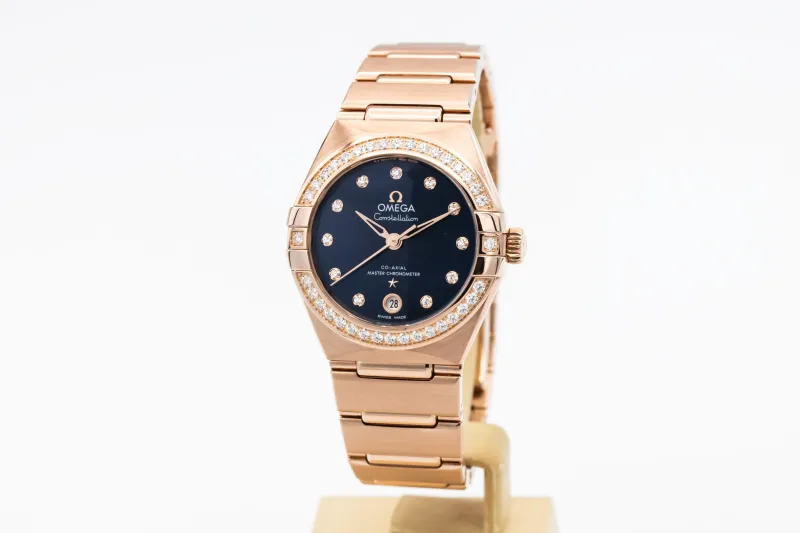
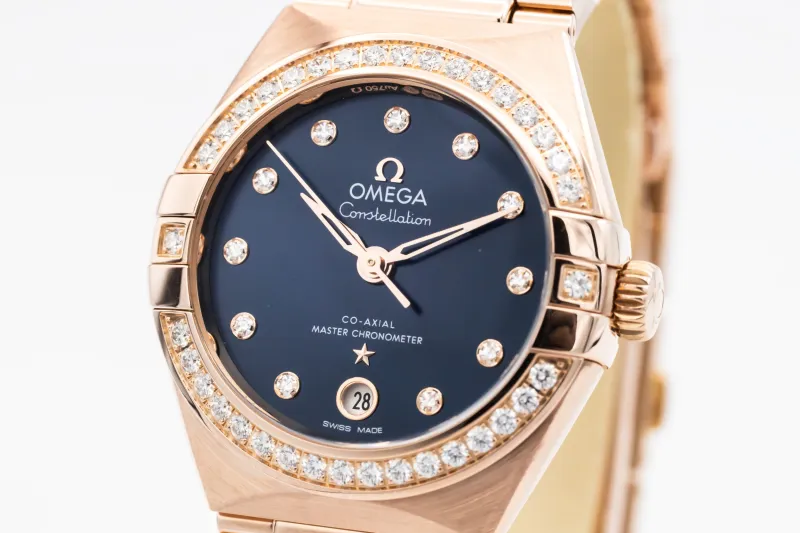
OMEGA Constellation Manhattan 29mm 18ct Rose Gold 131.55.29.20.53.001 Circa 2018
£16,995.00
Finance for £303.76pm
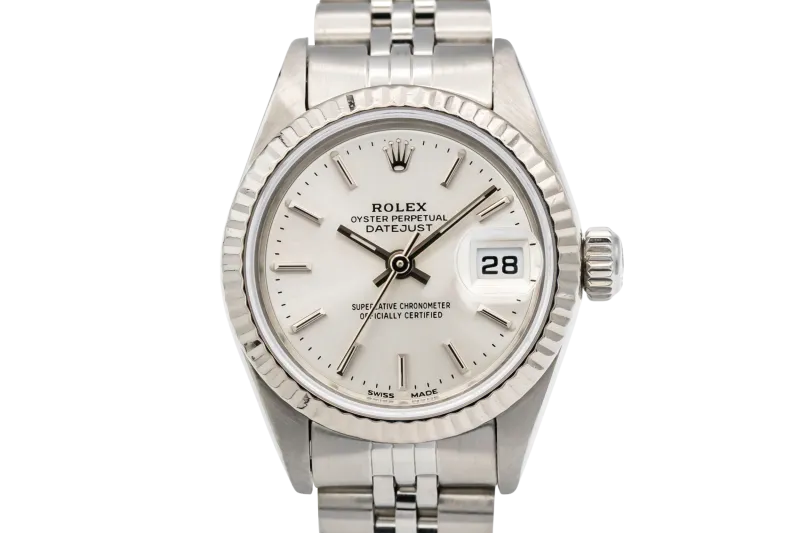
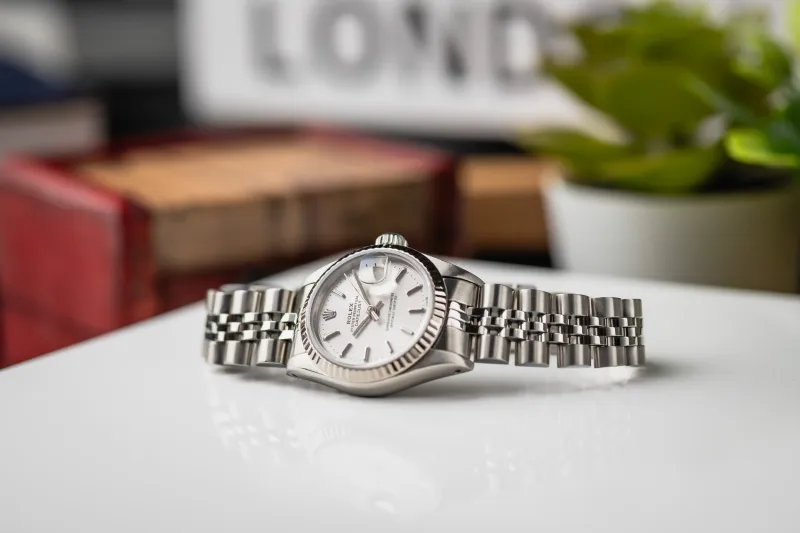
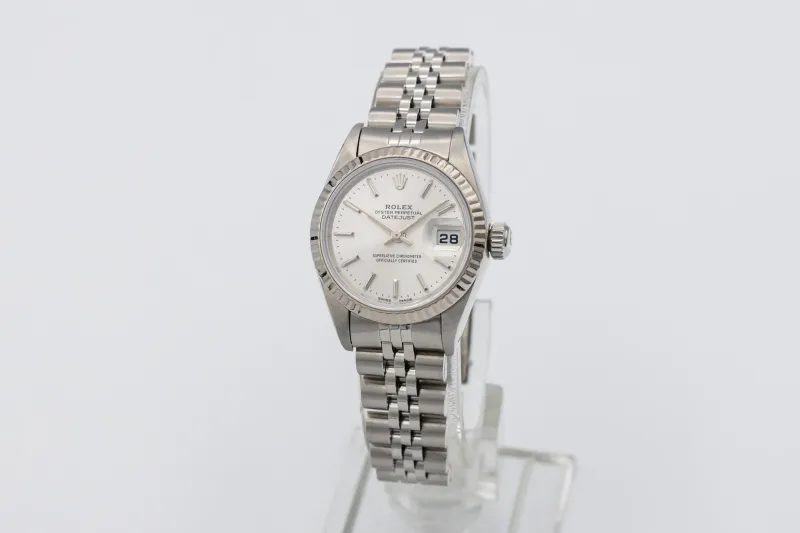
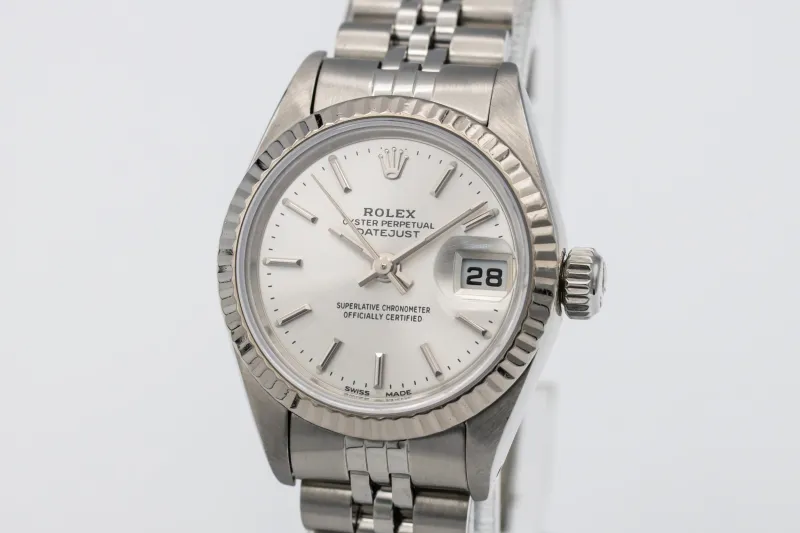
Rolex Lady-DateJust 26mm Stainless Steel Jubilee 69174 1984
£3,950.00
Finance for £70.6pm
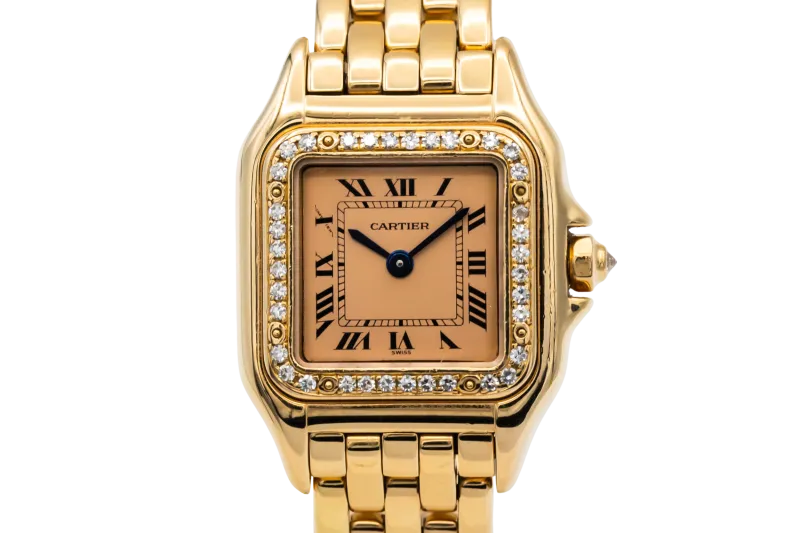
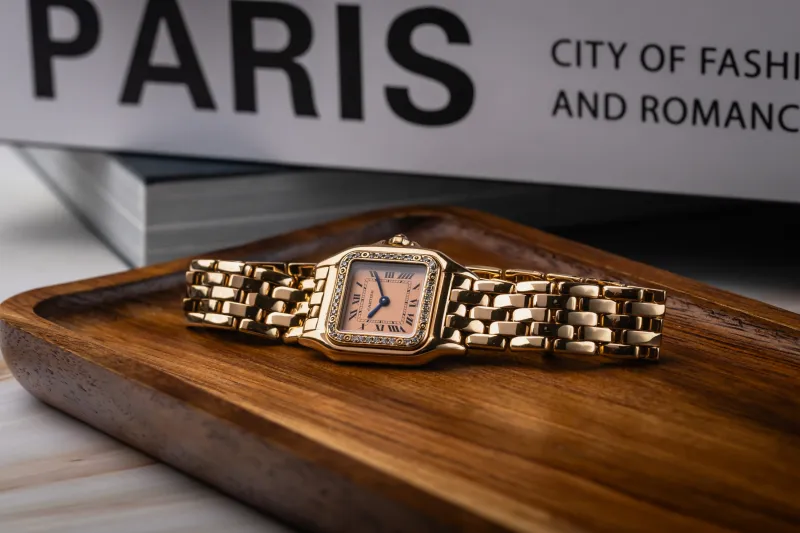
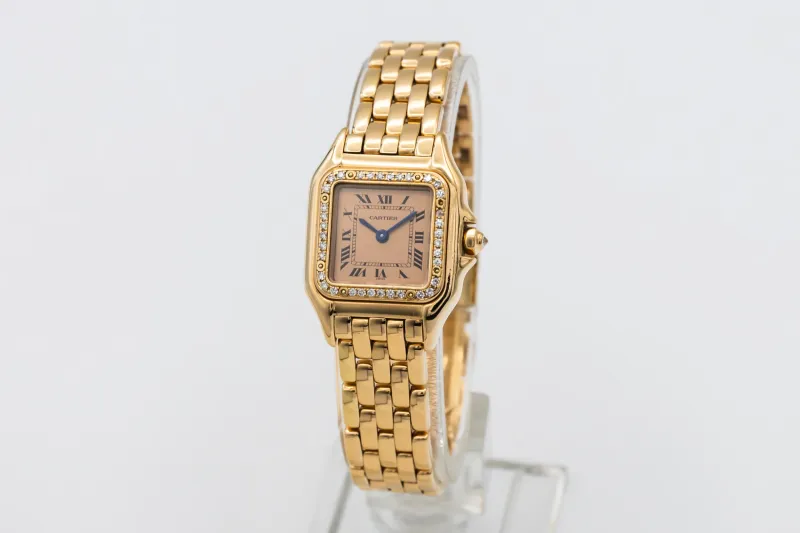
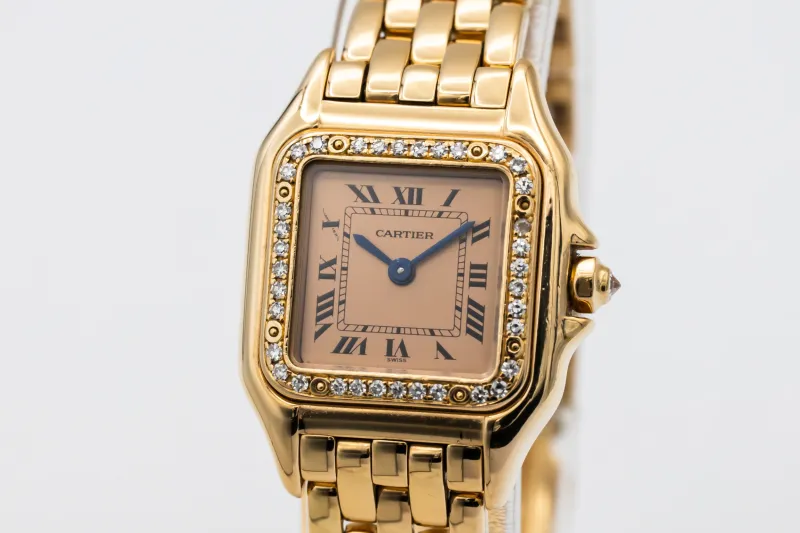
Cartier Panthere 20mm 18ct Yellow Gold WF3049B9 Circa 2000s
£12,995.00
Finance for £232.27pm
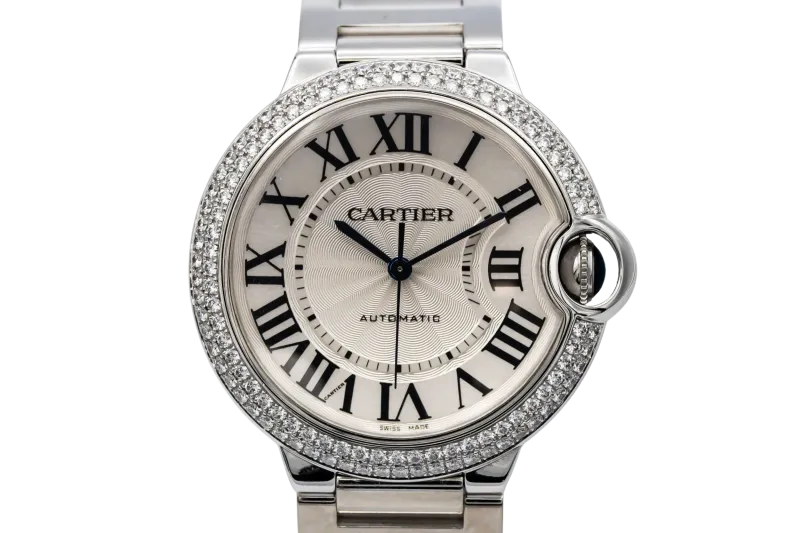
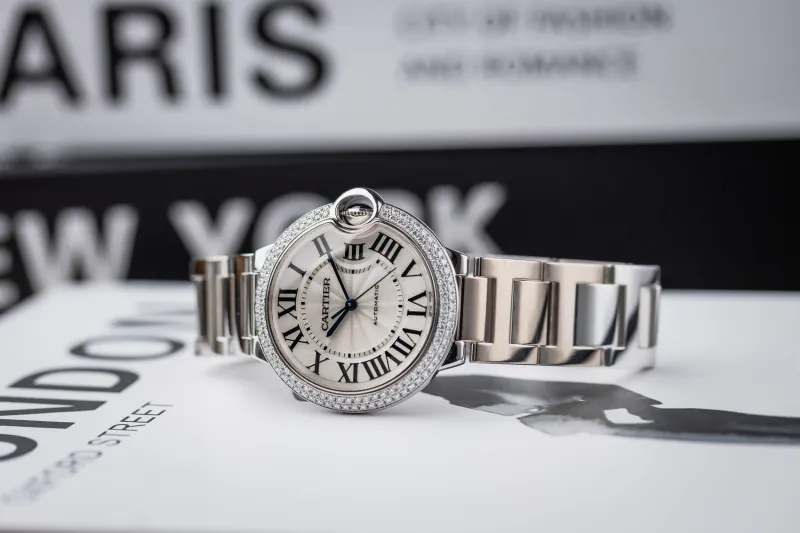
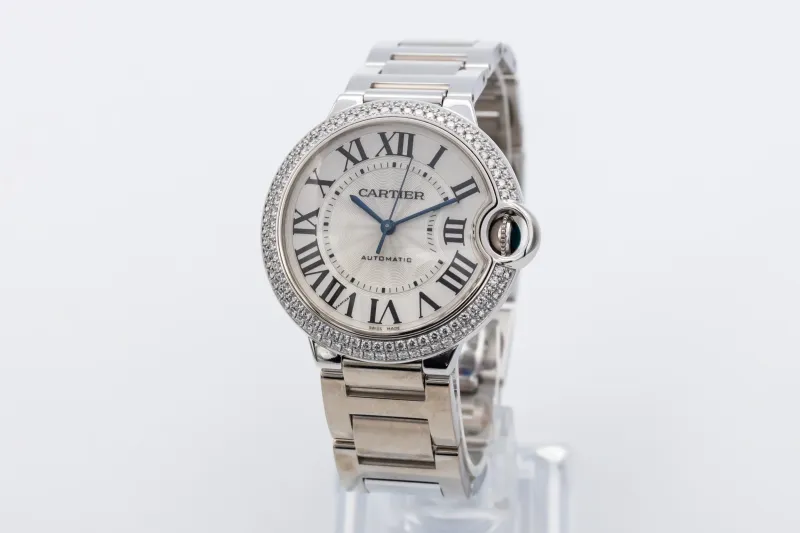
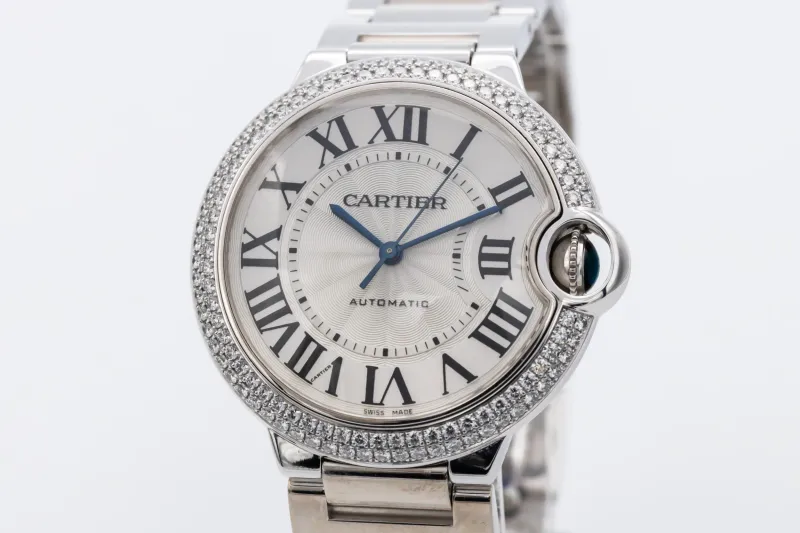
Cartier Ballon Bleu 36mm 18ct White Gold WE96006Z3/3004 Circa 2010
£15,450.00
Finance for £276.15pm
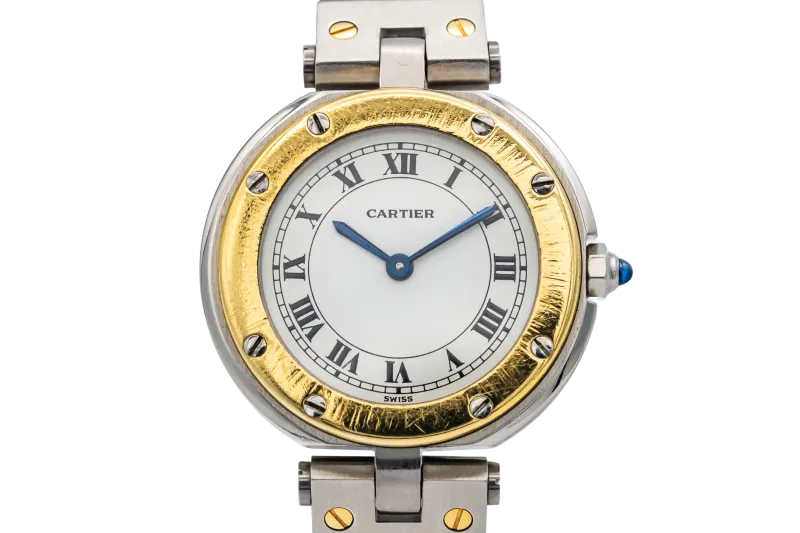
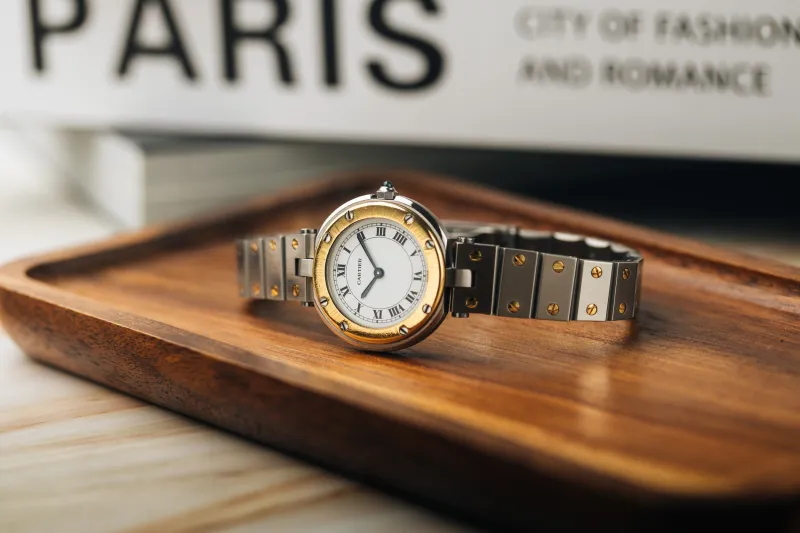
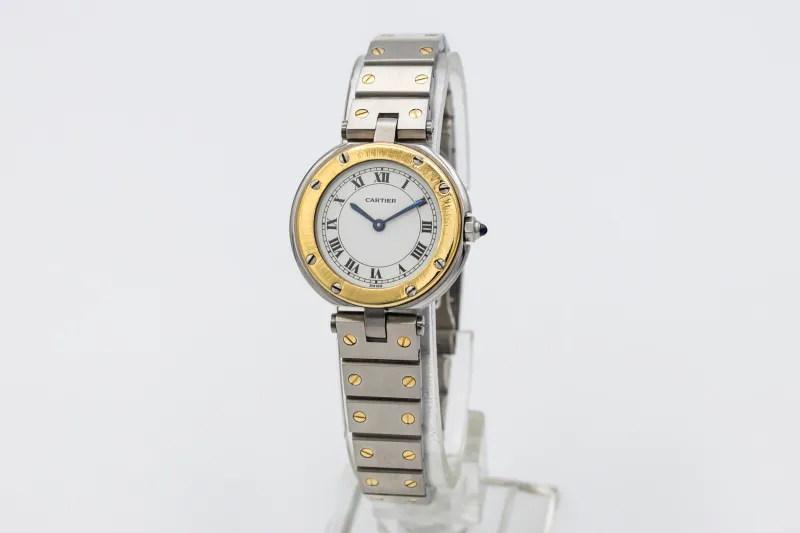
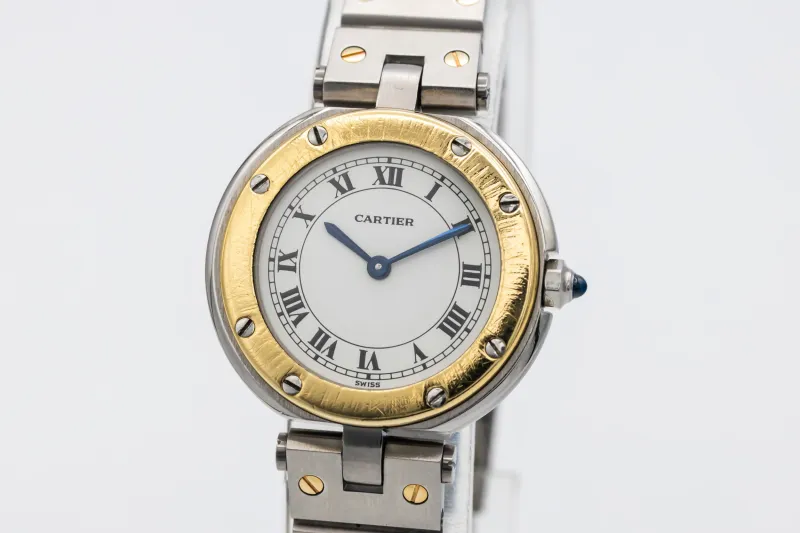
Cartier Santos Vendome 27mm Steel & 18ct Yellow Gold 81913 Circa 1980s
£2,495.00
Finance for £44.59pm
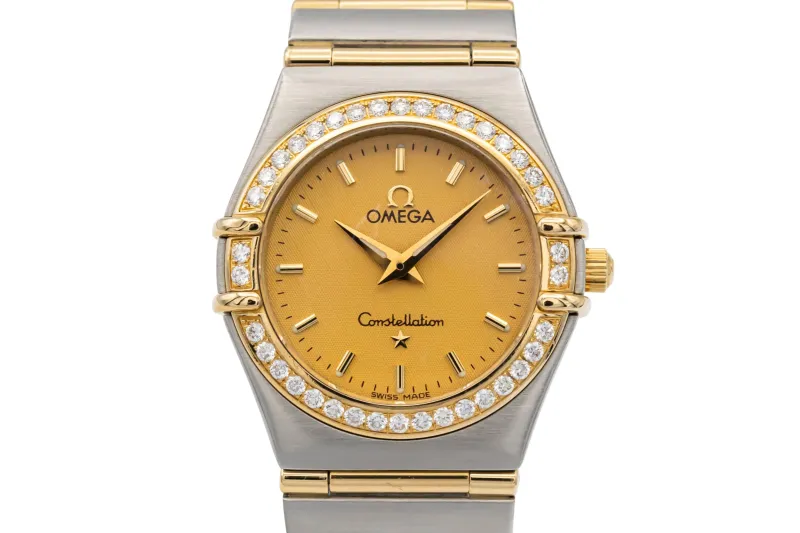
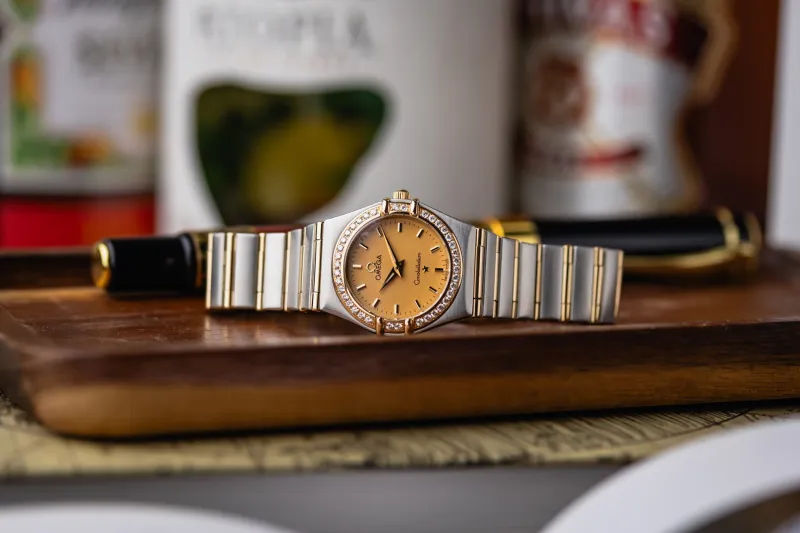
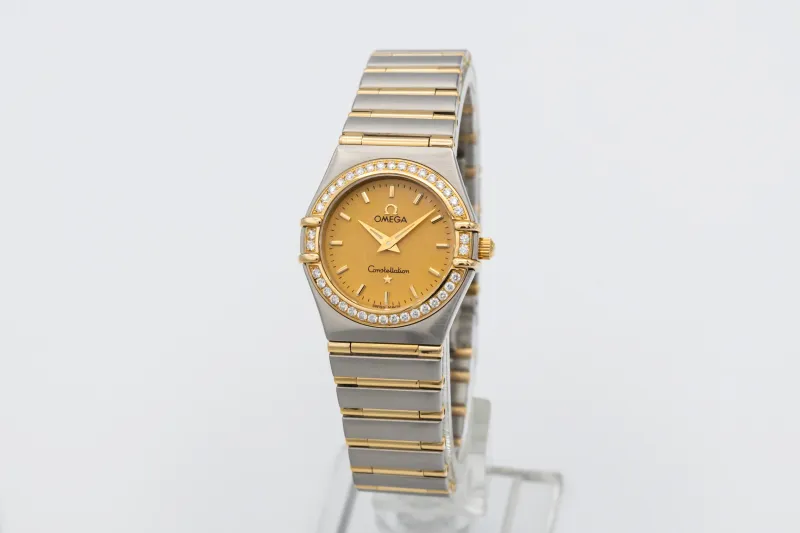
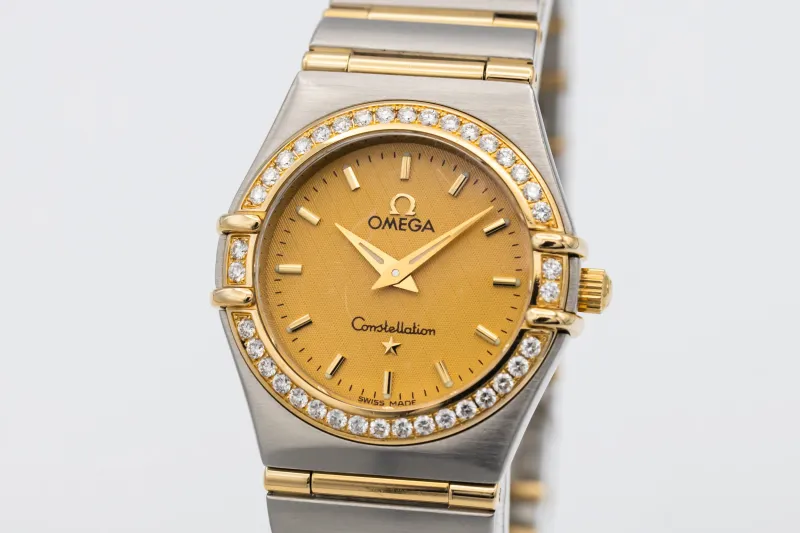
OMEGA Constellation 22.5mm 18ct Yellow Gold & Steel 1267.10.00 Circa 2000s
£2,295.00
Finance for £41.02pm
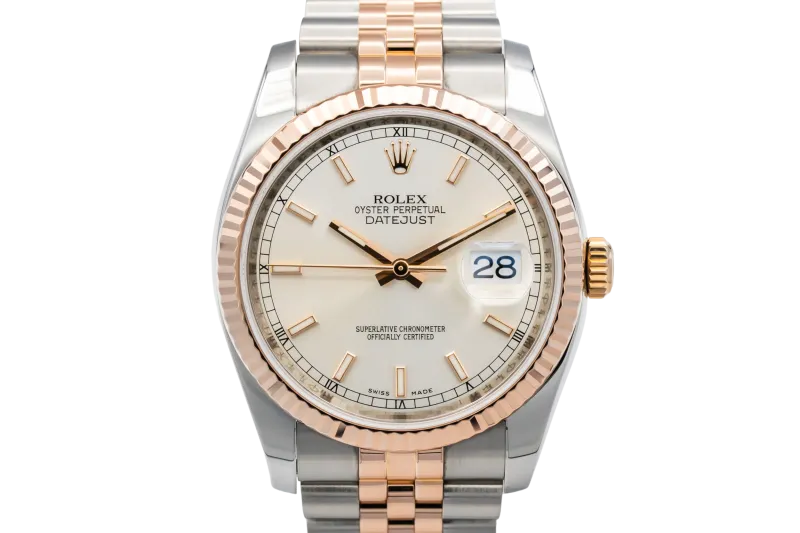
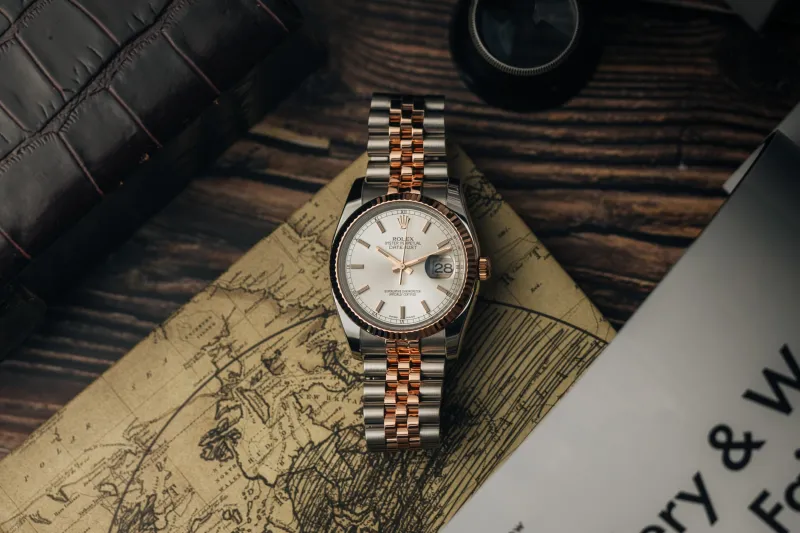
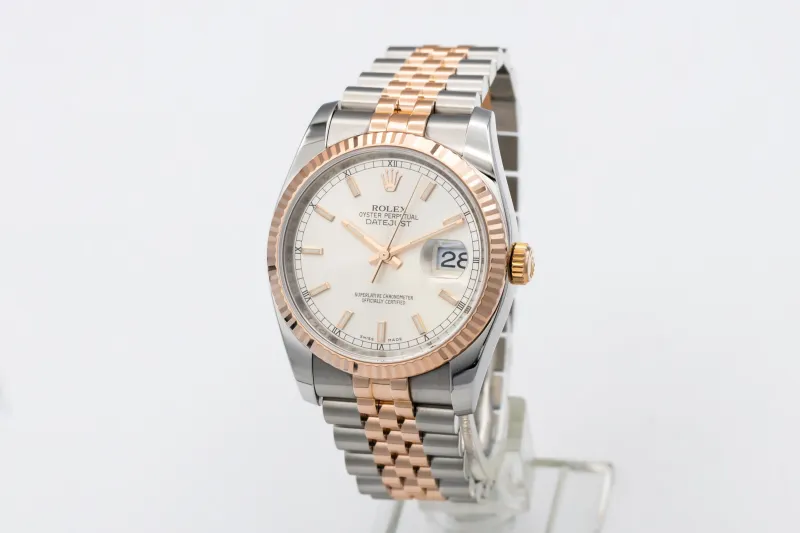
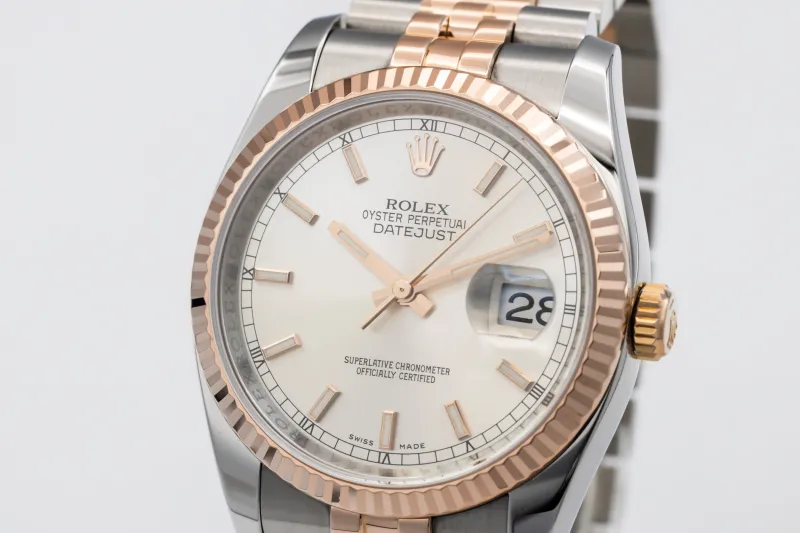
Rolex DateJust 36mm Steel & 18ct Rose Gold Jubilee 116231 2014
£8,995.00
Finance for £160.77pm
Yes, Piaget manufactures its own movements. The brand is celebrated for its expertise in creating ultra-thin movements, a hallmark of their timepieces. Piaget’s in-house production capabilities allow them to control every aspect of the watchmaking process, from design to assembly. This dedication to in-house movement production underscores Piaget’s commitment to quality and innovation in watchmaking.
Buying a Rolex now is worthwhile due to the brand's enduring reputation for quality and the potential for value appreciation. Despite fluctuations in the market, Rolex watches remain a symbol of luxury and status, making them a solid investment and a cherished timepiece
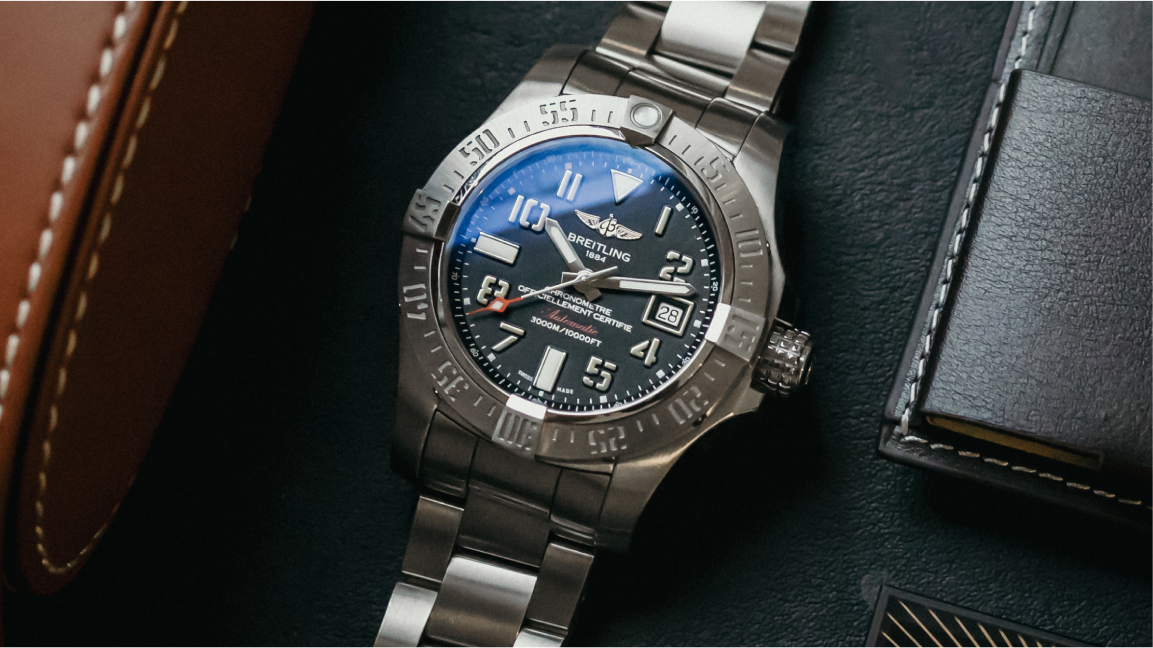
Yes, Breitling is undoubtedly considered a luxury watch brand. Established in 1884, Breitling has built a reputation for producing high-quality timepieces that combine precision engineering with elegant design. Their watches are often favoured by professionals, especially in the fields of aviation and diving, which further cements their status as a luxury brand.
While Tudor watches are known for their excellent quality, they are positioned as a more affordable alternative to Rolex. Tudor offers solid craftsmanship, in-house movements, and durable designs, making them an excellent choice in the luxury watch market. However, Rolex typically features higher-grade materials, more intricate finishing, and a stronger brand reputation. In terms of value and craftsmanship, Tudor is highly respected, but Rolex remains a step above due to its iconic status and finer details.
Generally, second-hand Rolex watches can be cheaper than new ones, especially for models that are readily available. However, vintage or rare pre-owned models can be quite expensive due to their historical significance and rarity. Always ensure you purchase from a reputable dealer to guarantee authenticity.
Yes, Chopard is a high-end luxury brand, renowned for producing Swiss-made watches and fine jewelry. Its reputation is built on the use of superior materials, precision in watchmaking, and innovative designs. Chopard’s long-standing commitment to ethical luxury, especially with its Fairmined gold and responsibly sourced diamonds, reinforces its high-end status in the market.
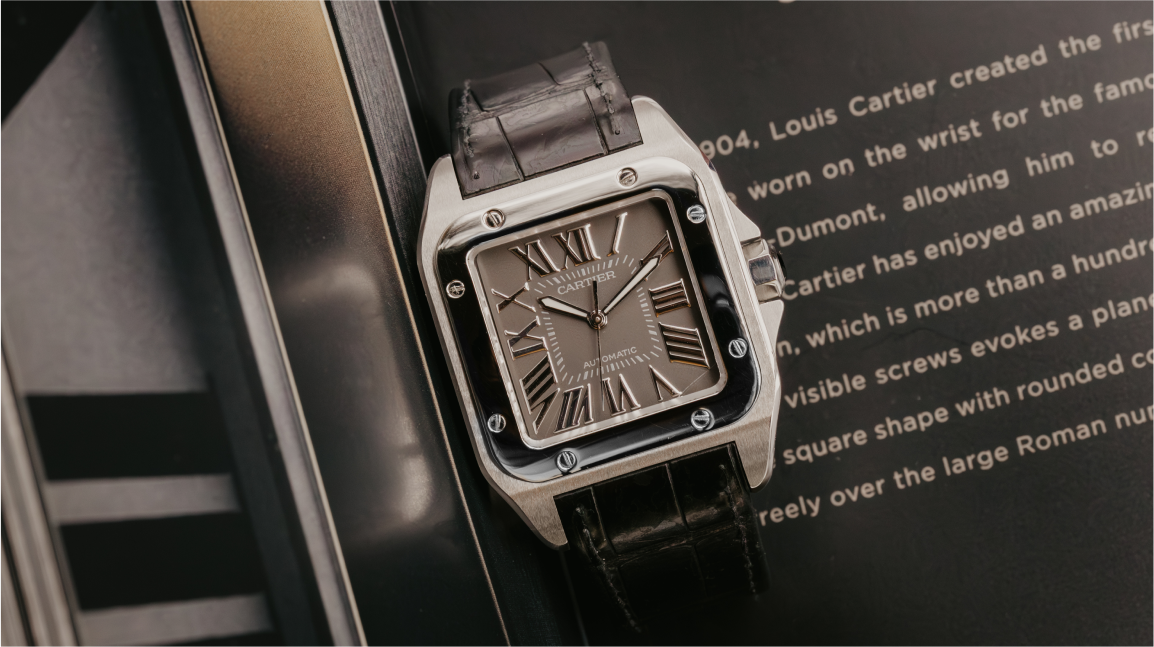
Choosing between Bvlgari and Cartier depends on personal preferences. Bvlgari is known for its bold, avant-garde designs and distinctive Italian flair, especially with collections like Serpenti and Octo. Cartier, on the other hand, is known for its timeless elegance and classic designs, such as the Tank and Santos collections. Both brands offer luxury craftsmanship and high-quality materials, so the decision comes down to whether you prefer Bulgari’s innovative style or Cartier’s classic sophistication.
While both Hublot and Rolex are prestigious brands, Hublot watches can be more expensive than Rolex, depending on the model. Hublot's use of avant-garde materials and bold, innovative designs often leads to higher price points, especially for limited editions. Rolex, known for its classic designs and historical significance, also offers high-priced models, but Hublot's emphasis on exclusivity can result in higher costs for certain pieces.
Filters
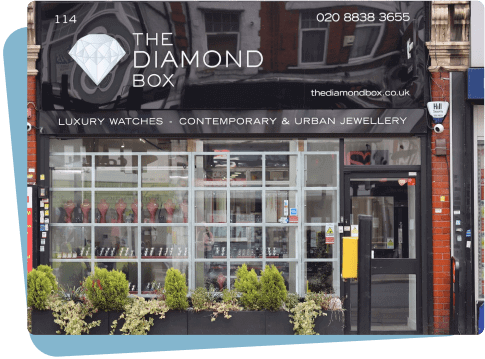
The Diamond Box
Visit us in store for great service and to see our amazing collection.
114 Ballards Lane, N3 2DN, London, United Kingdom, N3 2DN 020 8838 3655