




New Rolex Daytona 2026: Why the World Still Chases This Racing Icon
Every time Rolex updates the Daytona, the world pays attention.
The new Rolex Daytona 2026 is no exception. It remains one of the hardest Rolex watches to buy new, and that scarcity has shaped how people approach ownership. Many buyers now explore the pre-owned and vintage market rather than wait years for an authorised dealer to call.
This article explains what makes the Daytona such an enduring icon, what changed in 2026, and what you should consider before buying one.
What Is the Daytona Meaning in Rolex History?
The name "Daytona" connects directly to the Daytona International Speedway in Florida, a circuit synonymous with endurance racing and high-speed motorsport.
Rolex introduced the Cosmograph Daytona in 1963 as a tool built for racing drivers. The watch featured a tachymeter bezel designed to calculate average speeds over a given distance, a practical function for those timing laps on the track.
Over the decades, the Daytona evolved from a functional chronograph into one of the most recognisable sports watches in the world. Its motorsport heritage remains central to its identity, and that connection still drives much of its appeal today.
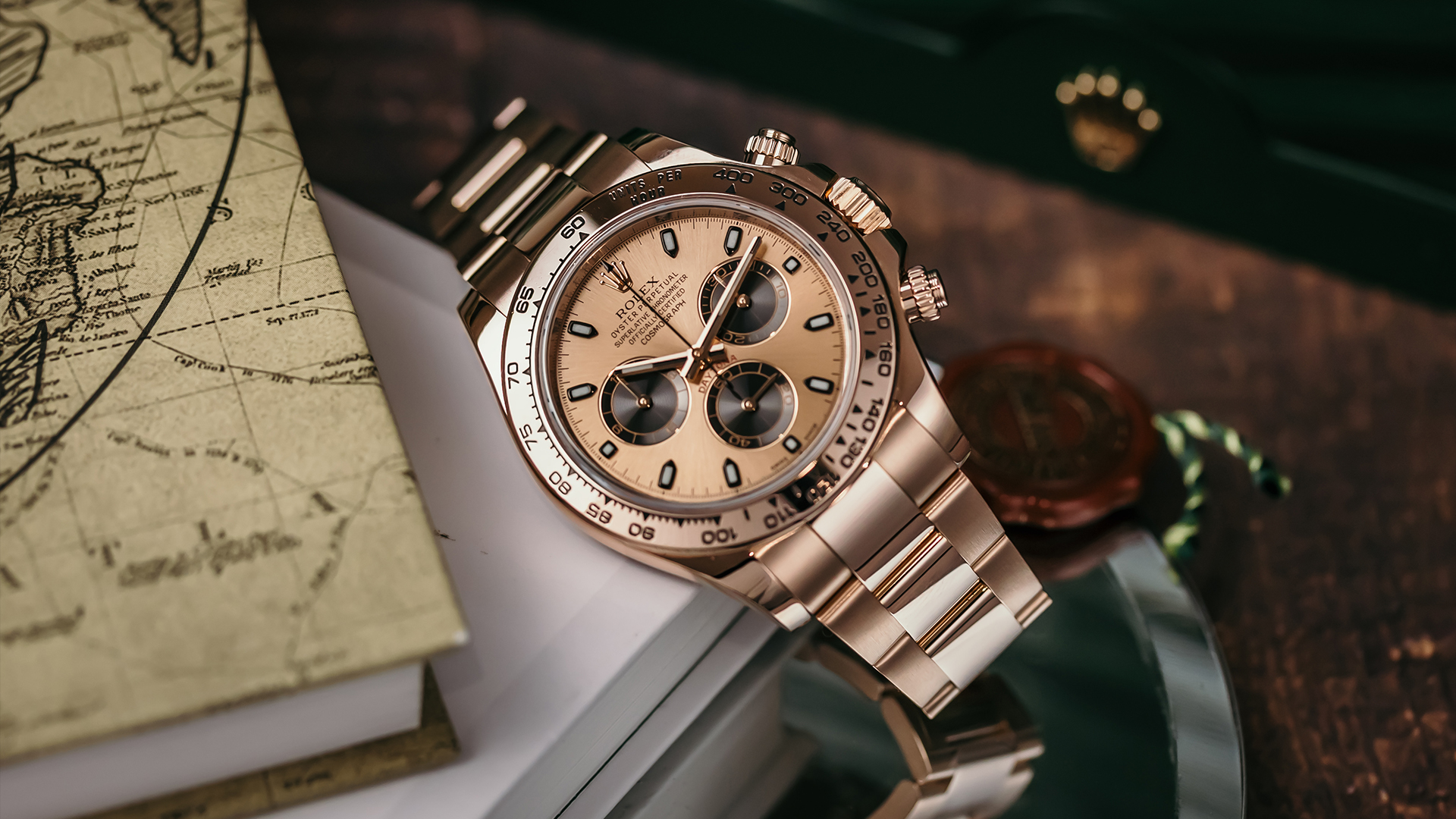
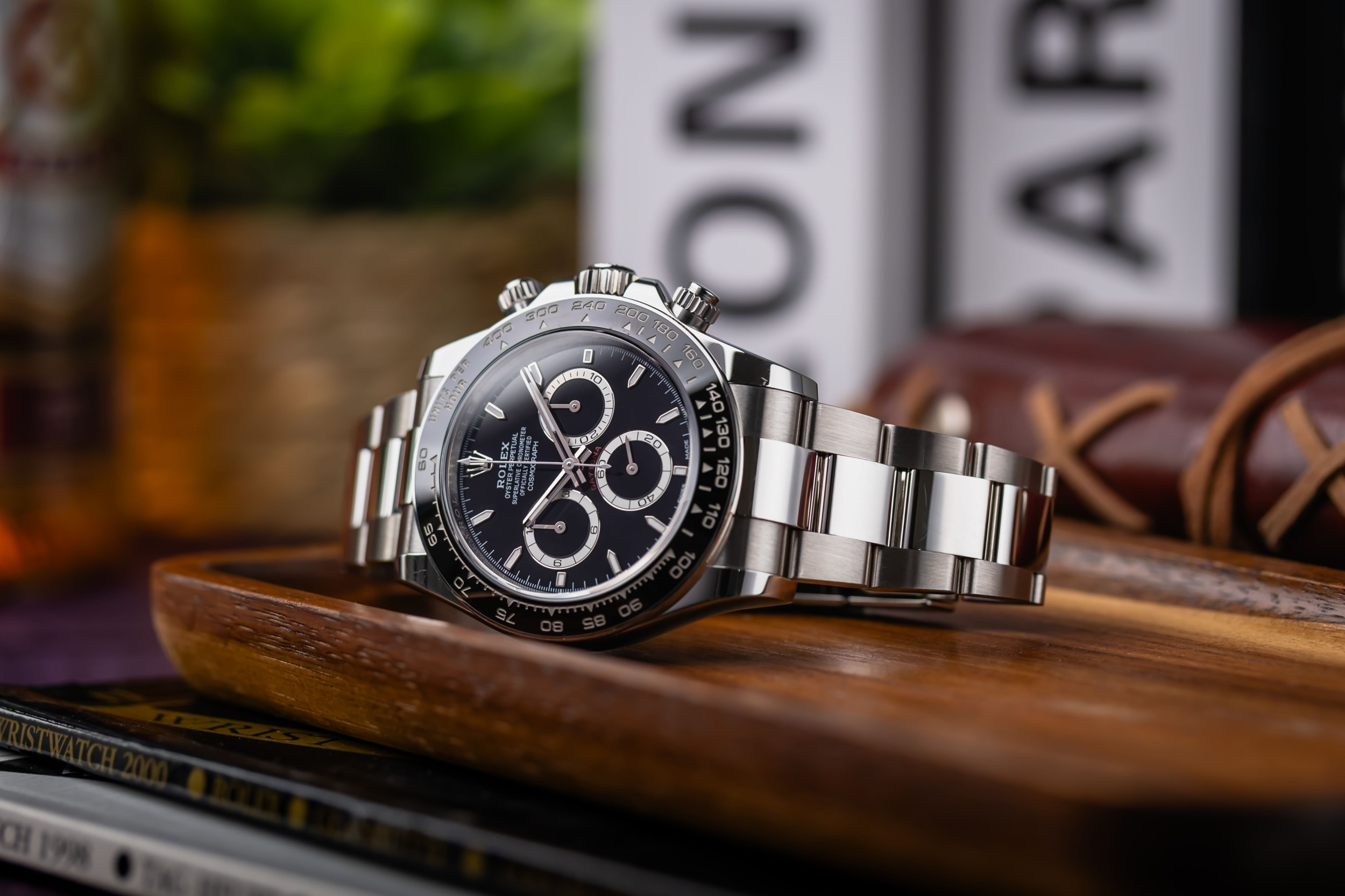
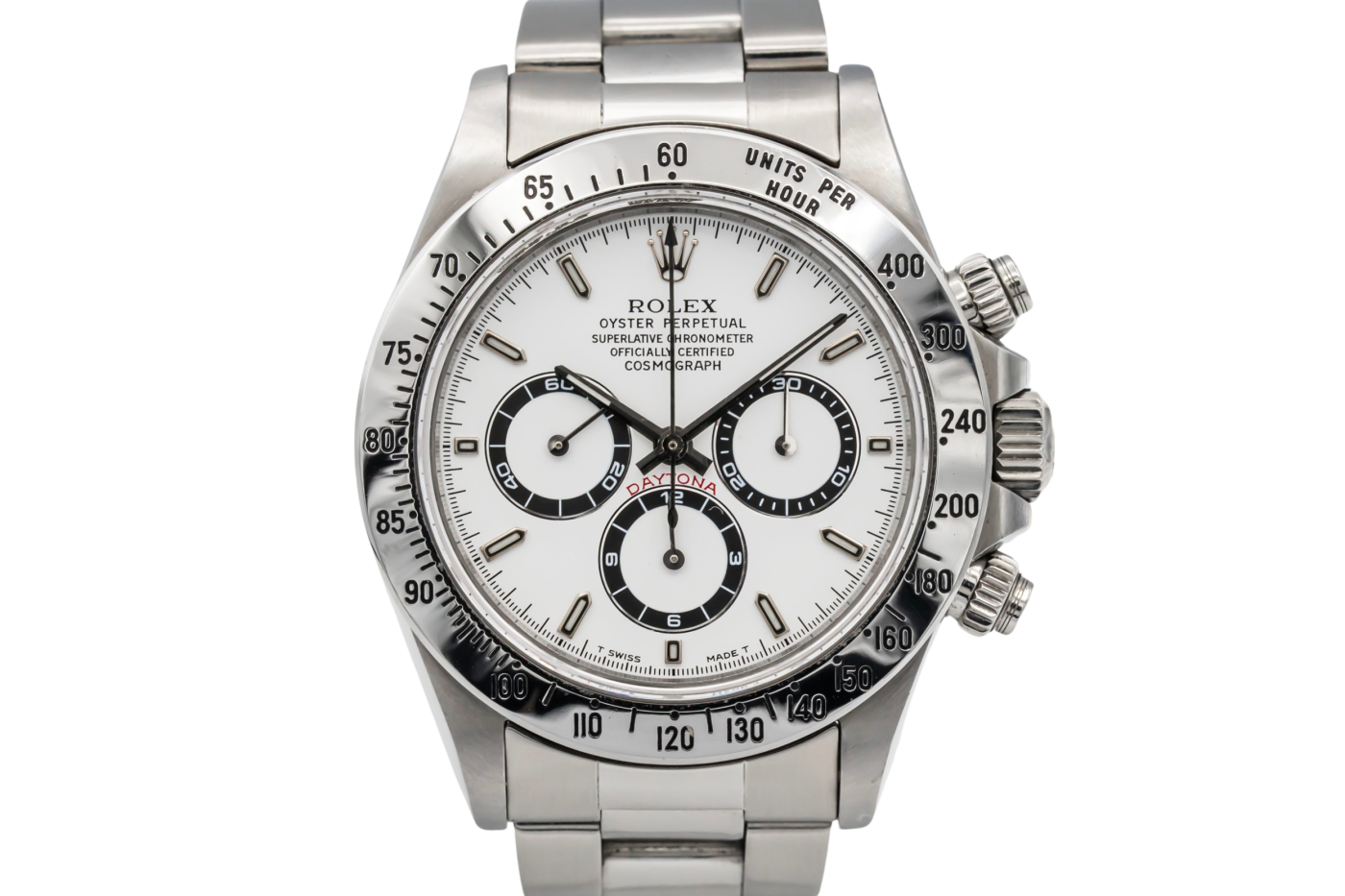
The Daytona's tachymeter bezel is one of its most recognisable features, reflecting Rolex's long-standing approach to functional sports watch design and the evolution of the Rolex bezel across different collections.
What's New About the 2026 Rolex Daytona?
The 2026 Rolex Daytona introduces a Rolesium configuration — a combination of Oystersteel and platinum that Rolex has used selectively across its sports models.
Here's what changed:
- Case and bracelet: Oystersteel
- Bezel: Platinum with anthracite Cerachrom insert
- Dial: White enamel with horizontal tachymeter numerals
- Case back: Sapphire crystal, allowing a view of the movement
| Feature | 2026 Rolex Daytona Detail |
| Reference | 126502 |
| Case | Oystersteel with platinum details |
| Dial | White enamelled dial |
| Bezel | Anthracite Cerachrom bezel |
| Movement | Calibre 4131 |
| Case Back | Sapphire crystal display case back |
The sapphire case back is a notable departure. Rolex has traditionally kept the Daytona case back solid, so this change signals a shift in how the brand presents the watch's mechanical depth.
Much of the Daytona's enduring appeal comes from its Oystersteel construction, with Rolex steel playing a key role in the watch's durability, finish, and everyday wearability.
The 2026 update doesn't reinvent the Daytona. It refines it, adding visual interest through the Rolesium combination and opening a window into the movement that wasn't there before.
Why Is the Rolex Daytona So Popular?
The Daytona's popularity comes from a combination of factors that have compounded over decades.
Scarcity drives demand. Steel Daytona models are notoriously difficult to obtain through authorised dealers, and waiting lists stretch for years. That limited availability has created a secondary market where prices often exceed retail by significant margins.
Motorsport heritage adds cultural weight. The Daytona isn't just a chronograph. It carries decades of association with racing, performance, and precision timing. That history gives the watch a narrative that extends beyond its technical specifications.
The Paul Newman connection elevated collector interest. Paul Newman's personal Daytona became one of the most famous watches in the world, and his association with the model helped cement its status as a collector's piece. Vintage Paul Newman Daytonas now command extraordinary prices at auction.
Design recognition matters. The Daytona's dial layout, tachymeter bezel, and proportions are instantly recognisable. That visual identity makes it one of the most easily identified luxury watches, which adds to its desirability.
The Daytona is one of the strongest examples of why demand for Rolex watches in the UK remains high, especially among buyers looking for sports models with heritage and resale strength.
Can You Buy a New Rolex Daytona in 2026?
You can register interest through an authorised Rolex dealer, but availability is extremely limited.
Steel Daytona models are particularly difficult to obtain. Waiting times vary, but many buyers wait years without receiving a call. Some never do.
Two-tone and precious metal variants may be slightly more accessible, but even these references are not readily available in most markets.
Limited production and exceptional demand mean the Rolex waiting list has become a familiar part of the buying process for sought-after models such as the Daytona.
This scarcity has pushed many buyers towards the pre-owned market, where availability is better but prices reflect demand.
How Much Is a Brand-New Rolex Daytona?
Official retail pricing for a new Daytona depends on the reference and materials.
Steel models typically start around £11,000 to £12,000 at retail, though availability at that price is rare. Two-tone Rolesor models, which combine steel and gold, sit in the mid-range, often between £15,000 and £20,000 depending on the specific configuration.
Full gold or platinum Daytonas push well beyond £30,000, with some references exceeding £50,000.
Secondary market pricing tells a different story. Steel Daytonas often trade at significant premiums over retail, sometimes reaching £20,000 or more depending on condition, box, papers, and market demand at the time.
Two-tone and Rolesor models appeal to buyers wanting something warmer than steel but more accessible than full gold. These references often hold value well without attracting the same premium as steel variants.
| Daytona Type / Reference | Example Price from The Diamond Box | What It Shows |
| Bi-metal Daytona 116503, 2016 | £15,995 | Lower entry point for a modern two-tone Daytona |
| Stainless steel Daytona 116520, 2007 | £17,295 | Pre-owned steel Daytona pricing varies by age and condition |
| Yellow gold Daytona 16518, 1996 | £17,000 | Vintage gold/leather Daytona can sit below newer steel examples |
| Stainless steel Daytona 126500LN, 2024 unworn | £23,000 | Newer unworn steel Daytona with strong demand |
| Stainless steel Daytona 126500LN, 2025 unworn | £23,795 | Near-new/unworn pricing for the latest generation |
| Stainless steel Daytona 16520, 1991 | £23,995 | Zenith-era Daytona models carry collector value |
| 18ct yellow gold Daytona 116528, 2008 | £29,950 | Full gold Daytona pricing is usually higher |
| Yellow gold Oysterflex Daytona 116518LN, 2023 | £32,995 | Newer precious-metal Oysterflex examples sit at the premium end |
Pricing varies sharply depending on reference, dial, rarity, and demand. Buyers should cunderstand the wider cost of a Rolex before comparing retail and pre-owned market prices
New Rolex Daytona vs Vintage Rolex Daytona: Which One Makes More Sense?
We hear this question often from buyers who've done their research and still can't decide. The truth is, neither option is inherently better. It depends on what you want from the watch.
A modern Daytona suits buyers who want:
- A reliable, daily-wear luxury sports watch
- The calibre 4131 movement, precise and built to last
- A Cerachrom bezel that resists fading and scratching
- Current warranty support and peace of mind
A vintage Rolex Daytona suits buyers who want:
- A specific piece of history, such as a particular reference or dial configuration
- The character of 1960s and 1970s references that modern models can't replicate
- Genuine collectability driven by rarity and original condition
- The depth that only time and scarcity can create
When buying vintage, originality matters more than appearance. An honest original dial in good condition is worth considerably more than a refinished one that looks perfect. Reference number, production year, service history, and provenance all affect value, and replacement parts, even period-correct ones, can change how collectors assess a watch.
Whether choosing a modern or vintage Daytona, buying a pre-owned Rolex requires careful consideration of factors such as condition, service history, box and papers, and overall originality..
Both routes reward careful buyers. Neither rewards rushing.
Is the Daytona Rolex for Women Too?
The Daytona started as a tool for racing drivers. It was sized for function and marketed accordingly. Over the years, though, we've seen that framing shift considerably, and the watch has moved with it.
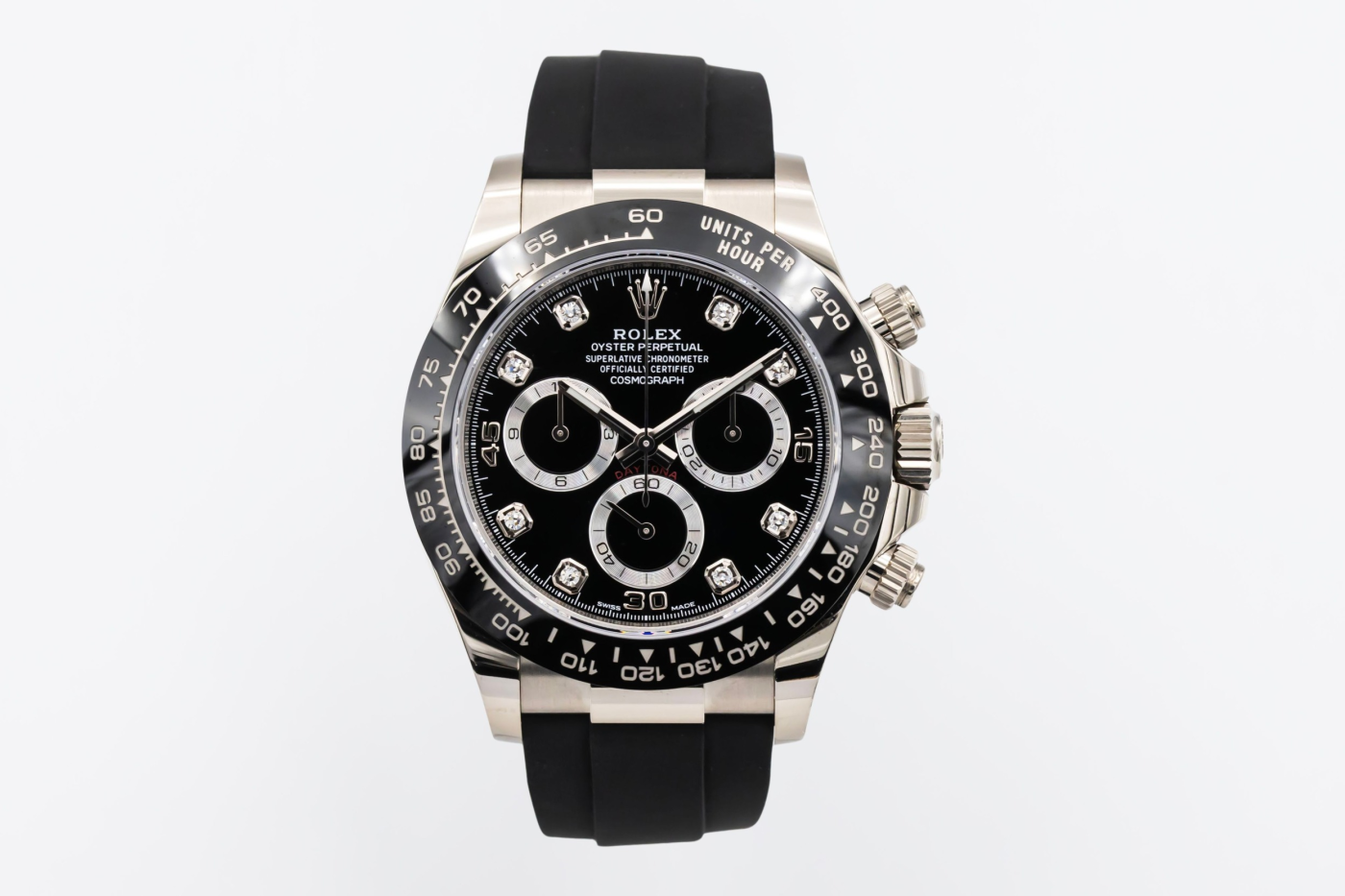
A growing number of women choose the Daytona specifically because of its bold proportions. The 40mm case, strong dial layout, and Oyster bracelet create real presence on the wrist. For buyers who want that kind of statement, the Daytona delivers without compromise.
The Oyster bracelet wears more comfortably than the case size alone suggests. Its tapering design and adjustable clasp work across a range of wrist sizes. The range of dial colours, metal combinations, and bezel options also means there's genuine visual variety to choose from.
As tastes continue to evolve, Rolexes for women increasingly include bold sports models like the Daytona, reflecting a shift towards choosing watches based on individual style rather than convention.
What Is a Bi-Metal Daytona?
A bi-metal Rolex Daytona combines Oystersteel with 18ct yellow gold. Rolex calls this combination Rolesor, a term they've used for decades across several models in the range.
The bi-metal sits between a full steel Daytona and a full gold one. It offers the warmth of precious metal without the weight, cost, or formality that a fully gold model carries. Gold detailing typically appears on the bezel, crown guards, and bracelet centre links.
Buyers are drawn to it for a few clear reasons:
- More visual warmth than a steel-only reference
- More accessible than a full gold Daytona
- Versatile enough for both everyday wear and smarter occasions
- Tends to hold value steadily without the speculation that steel variants attract
Dial colour and bezel configuration make a real difference between bi-metal references. A champagne dial with a yellow gold bezel reads very differently from a black dial with the same metal combination, and those distinctions carry weight in the secondary market too.
With the main buying routes and material choices considered, the next question for many buyers is whether the Rolex Daytona is the right watch to purchase in 2026.
Is the Rolex Daytona a Good Watch to Buy in 2026?
The Daytona is a strong choice for enthusiasts and collectors, but it's not a guaranteed investment.
Here's what matters:
Reference selection influences value. Certain references hold value better than others. Steel models with strong demand tend to retain or appreciate in value, whilst less sought-after variants may not perform as well.
Originality and condition are critical. Watches with original dials, hands, and bracelets in good condition command higher prices. Modified or heavily worn examples lose value quickly.
Papers and provenance add confidence. Box, papers, and service history provide reassurance and typically improve resale value. Missing documentation doesn't disqualify a watch, but it affects pricing.
Purchase price determines return. Overpaying in a heated market reduces the likelihood of future appreciation. Buying at or below fair market value improves long-term outcomes.
The Daytona is a well-made, historically significant chronograph with strong demand. Whether it's a good watch to buy depends on which reference you choose, what you pay, and how long you plan to keep it.
Final Buying Checklist Before Choosing a Rolex Daytona
Before committing to a Daytona, work through this checklist:
- Reference number: Confirm the exact model and understand its market position
- Box and papers: Check whether original documentation is included
- Service history: Review records of maintenance and repairs
- Case condition: Inspect for wear, polishing, and originality
- Bracelet condition: Check for stretch, wear, and correct links
- Dial originality: Verify the dial hasn't been refinished or replaced
- Market price comparison: Compare asking price against recent sales
- Dealer reputation: Ensure you're working with a trusted, transparent seller
Because Daytona prices can vary sharply across the market, working with a reputable Rolex dealer in London can help buyers avoid overpaying or missing important condition details.
Buying a New, Pre-Owned or Vintage Rolex Daytona from The Diamond Box
We've worked with Daytona buyers for more than two decades, including people buying their first chronograph, collectors adding a specific reference, and families passing watches across generations.
Our approach is straightforward. We help you compare available Daytona models across modern, pre-owned, vintage, and bi-metal options, and explain what each reference offers in terms of wearability, value, and long-term appeal.
We don't rush decisions. We answer questions, source watches that match your budget and preferred reference, and provide clarity on condition, originality, and market pricing.
If you're considering a Daytona, we're happy to talk it through. You can explore Rolex watches available from The Diamond Box, or get in touch to discuss what you're looking for.
Key Takeaways
- The 2026 Rolex Daytona introduces a Rolesium configuration with a sapphire case back, marking a notable evolution in the model's design.
- The Daytona's popularity stems from scarcity, motorsport heritage, and strong collector demand, making it one of the hardest Rolex models to buy new.
- Buying a new Daytona through authorised dealers is extremely difficult, with long waiting lists pushing many buyers towards the pre-owned market.
- Value depends on reference, originality, condition, and purchase price. Not all Daytonas perform equally in the secondary market.
- Working with a reputable dealer helps buyers navigate pricing, condition, and availability with confidence.
Frequently Asked Questions
Why is the Rolex Daytona so difficult to buy?
The Daytona is difficult to buy because production is limited and demand far exceeds supply, particularly for steel models. Authorised dealers often have long waiting lists, and many buyers never receive an allocation. This scarcity has made the pre-owned market the more accessible route for most people.
What is the newest Rolex Daytona?
The newest Rolex Daytona is the 2026 Rolesium model, which combines Oystersteel with a platinum bezel, features a white enamel dial, and introduces a sapphire case back. This is the first time Rolex has offered a transparent case back on the Daytona, allowing a view of the movement.
Is the Rolex Daytona a good investment?
The Daytona can hold or appreciate in value, but it's not a guaranteed investment. Value depends on the reference, originality, condition, and purchase price. Steel models with strong demand tend to perform well, whilst less popular variants may not appreciate. Buying at fair market value improves long-term outcomes.
How much does a new Daytona cost?
A new steel Daytona retails for around £11,000 to £12,000, though availability at that price is rare. Two-tone models typically range from £15,000 to £20,000, and full gold or platinum versions can exceed £30,000. Secondary market prices often run significantly higher due to limited availability.
What does Cosmograph Daytona mean?
"Cosmograph" refers to Rolex's designation for chronograph watches designed for precision timing, whilst "Daytona" references the Daytona International Speedway in Florida. The name reflects the watch's motorsport heritage and its original purpose as a tool for racing drivers.
Can anyone buy a Rolex Daytona from an authorised dealer?
Technically yes, but in practice, availability is extremely limited. You can register interest with an authorised dealer, but waiting times are long and unpredictable. Many buyers never receive an allocation, particularly for steel models. The pre-owned market offers better availability, though prices reflect demand.
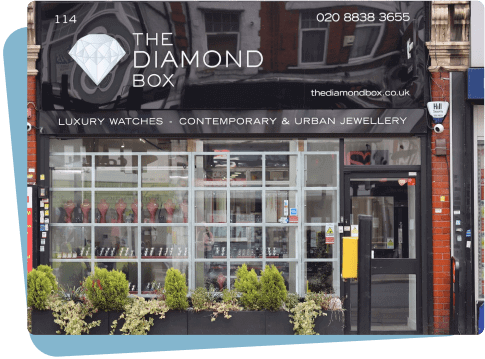
The Diamond Box
Visit us in store for great service and to see our amazing collection.
114 Ballards Lane, N3 2DN, London, United Kingdom, N3 2DN 020 8838 3655