




TL;DR: The cost of servicing Rolex watches varies significantly by where you go. Official Rolex service centres charge £700-£920 for basic models by 2026. Independent pre-owned dealers and watchmakers typically offer servicing for less but though the final price depends entirely on your watch's condition and what work is needed. Regular servicing every 5-7 years protects your watch and reduces long-term costs.
-
Official Rolex service centres: £700-£920 (basic models) to £1,025-£1,350 (chronographs) by 2026
-
Independent pre-owned dealers: Servicing is cheaper, varying based on model, condition, and work required
-
Service intervals: Every 5-7 years for optimal performance
-
Key cost drivers: Where you service, skilled labour, genuine parts, movement complexity
Your Rolex is running slow. Or the service reminder came up. Or you've been quoted a price that doesn't feel right.
Whatever brought you here, you're looking for clarity on the Rolex repair cost, and whether the number you're seeing makes sense.
Here's something worth knowing upfront: there's no single answer to what a Rolex repair costs. A standard service, water damage repair, crystal replacement, and vintage restoration are very different jobs with very different price tags. What you'll pay depends on what your watch needs.
We've spent over 20 years handling Rolex repairs, part exchanges, and long-term servicing relationships. By 2027, costs will have shifted again. Here's what we're seeing, and what you should expect.
How Much Does It Cost to Repair a Rolex?
The cost to repair a Rolex in the UK depends heavily on where you take it. Official Rolex service centres charge £650 to £1,350, with those figures projected to reach £700 to £1,400 by 2026.
Independent pre-owned dealers and specialist watchmakers typically offer more accessible pricing. At The Diamond Box, servicing starts from £375, though the final price depends entirely on what your watch needs. The same principle applies everywhere: diagnosis comes before pricing.
There's no single fixed price because what your watch needs depends entirely on its diagnosis. The service provider you choose also shapes the cost significantly.
A simple service for a Datejust differs from a chronograph overhaul, which differs again from water damage restoration. The model you own, the condition your watch is in, how old it is, and which parts need replacing all shape the final cost.
Two identical Submariners don't always receive the same bill. One serviced regularly every five years needs routine maintenance. Another left untouched for 15 years often requires significant intervention because wear compounds over time.
Here's what matters: a proper quote comes after inspection, not before. The movement needs to be opened and assessed. Until a watchmaker sees what's happening inside, any estimate is guesswork. We've seen too many situations where initial quotes change once the caseback comes off and the real condition becomes visible.
What This Tells You: If you're being given a firm price before anyone has looked at your watch properly, treat that number with caution. Accurate pricing follows diagnosis, not the other way round.
Rolex Service Cost vs Rolex Repair Cost: What Is the Difference?
People use these terms interchangeably, but they mean different things. Understanding the difference helps you know what you're paying for.
A Rolex service is routine maintenance. Your watch doesn't need to be broken. This is preventative work done on a schedule to keep everything running properly.
Service includes complete movement disassembly, cleaning all parts ultrasonically, replacing worn components like gaskets and springs, fresh lubrication, timing adjustment, pressure testing for water resistance, and case refinishing. The goal is to return your watch to optimal working condition.
Think of it like a car's major service. Nothing's wrong, but everything gets checked, cleaned, and refreshed.
A Rolex repair is issue-specific work. Something has broken, worn out, or stopped working properly. You're addressing a problem that's already developed.
Common repairs include replacing a damaged crystal, fixing water damage, replacing a broken or loose crown, addressing worn movement parts beyond standard wear, repairing bracelet links or clasps, or replacing damaged dials and hands.
Repairs often happen alongside a service. If your crown is broken and the watch hasn't been serviced in years, the watchmaker addresses both. The repair fixes the immediate problem. The service prevents future ones.
The costs differ because the work differs. A standard service has predictable steps and parts. A repair depends entirely on what's wrong. Water damage to a movement costs far more to fix than a scratched crystal.
| Type | What it Means | When you need it |
|---|---|---|
| Rolex service | Routine maintenance of the movement, seals, timing and water resistance | When the watch is due for maintenance or losing accuracy |
| Rolex repair | Fixing a specific fault or damaged part | When the watch has stopped, runs slow, has water damage, or has a broken component |
| Restoration | More detailed work, often for older or vintage models | When the watch needs careful work to preserve originality and value |
What We've Noticed: When people search for "how much does it cost to repair a Rolex," they're often looking for service pricing. Knowing which you need helps you ask the right questions and understand the quotes you receive.
What Is Included in the Cost of Servicing Rolex Watches?
The cost of servicing a Rolex reflects the complexity and precision of the work involved. Understanding what happens during a complete service helps the price make more sense.
Rolex's official servicing process follows strict factory standards. Every authorised service centre performs the same detailed procedure, designed to restore your watch to optimal performance.
If you want to understand the basic maintenance process before comparing prices, Rolex service explains the key care steps every owner should know.
Initial inspection. The watchmaker examines the exterior condition, tests timekeeping accuracy, and checks water resistance before opening the case. This establishes what work is needed.
Complete dismantling. Every component of the movement is carefully removed and separated. This includes hundreds of tiny parts, each requiring precise handling.
Ultrasonic cleaning. All parts pass through multiple baths of cleaning solution. This removes old lubricants, dust, and microscopic debris that affects performance over time.
Movement lubrication. Fresh oils are applied to specific points throughout the movement. Different parts require different lubricants, applied in precise quantities. Too much or too little creates problems.
Worn part replacement. Gaskets, seals, springs, and other components showing wear get replaced with genuine Rolex parts. This protects against future failure.
Timing regulation. The watchmaker adjusts the movement's accuracy across multiple positions. The goal is consistent timekeeping whether the watch sits flat, hangs vertical, or moves on your wrist.
Water-resistance testing. Pressure tests verify the seals perform properly. This protects against moisture damage, one of the most expensive problems to fix later.
Polishing if suitable. Case and bracelet receive refinishing based on your preferences and the watch's condition. Some owners prefer to keep wear marks. Others want restoration to near-original appearance.
Final quality control. The completed watch undergoes testing to verify it meets Rolex's performance standards. Timing, water resistance, and function all get checked before the watch returns to you.
This entire process takes 8-12 hours of skilled bench time, sometimes longer for complex models or watches requiring additional intervention.
What This Tells You: The cost of servicing a Rolex isn't arbitrary. You're paying for precision work that takes significant time and expertise, performed to factory standards with genuine components.
Average Cost of a Rolex Service UK by Watch Type
The cost of a Rolex service in the UK varies based on the model you own. Movement complexity is the main driver. More complications mean more time on the bench, which means higher labour costs.
The figures below reflect pricing at official Rolex service centres. Independent specialists and pre-owned dealers typically charge 20-40% less, though exact pricing varies by provider and the specific work required.
At The Diamond Box, we offer Rolex servicing from £375. The price varies depending on the model, condition, and any additional work needed beyond standard maintenance. Some watches need straightforward servicing. Others require parts replacement or more extensive intervention. We assess each watch individually and provide transparent pricing before any work begins.
For comparison, here's what official Rolex service centres charge in 2025, with projections for 2026:
Simple models: Oyster Perpetual and Datejust
These watches use time-only or basic date movements. They're the most straightforward to service.
Typical cost: £650-£850 at authorised centres
Projected 2026: £700-£920
The movements are robust and well-established. Parts are readily available. Service times are predictable. Unless there's damage or neglect, these fall at the lower end of service costs.
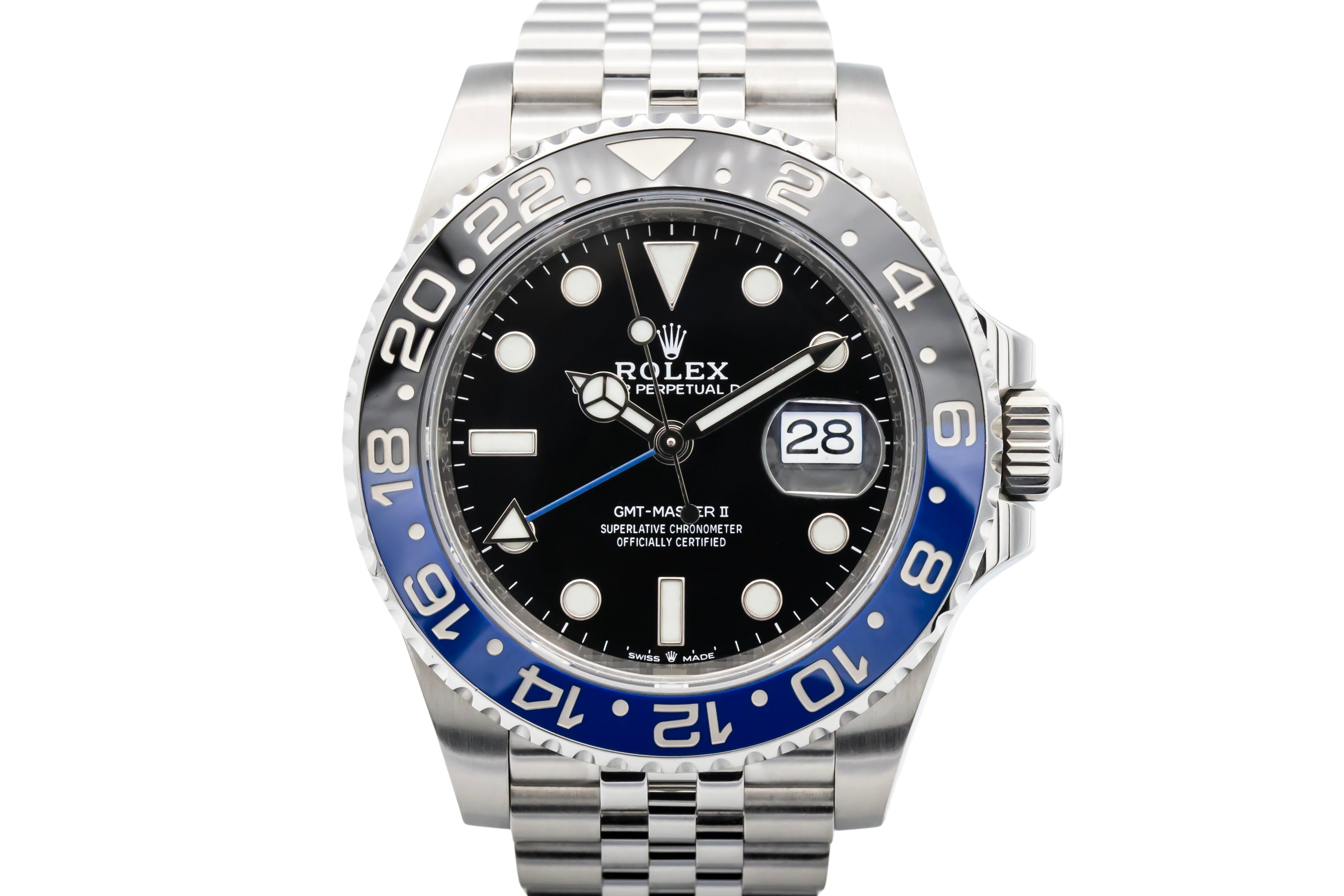
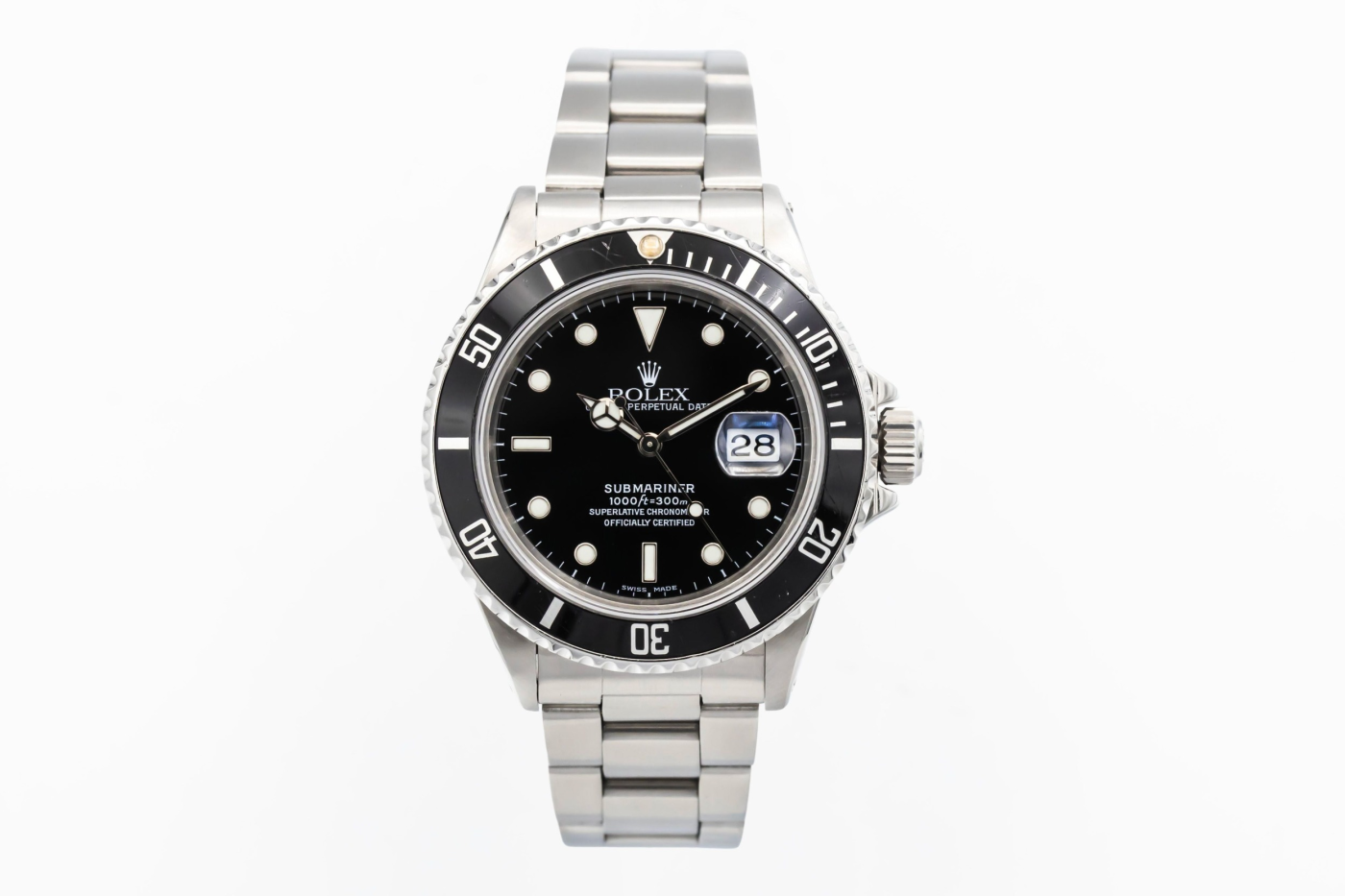
Professional sports models: Submariner and GMT-Master II
These add water resistance systems and, in the GMT's case, a second time zone function.
Typical cost: £750-£1,000 at authorised centres
Projected 2026: £810-£1,080
The GMT complication requires more adjustment during servicing. Both models need thorough pressure testing given their intended use. Parts for current-production models arrive quickly. Discontinued references sometimes take longer.
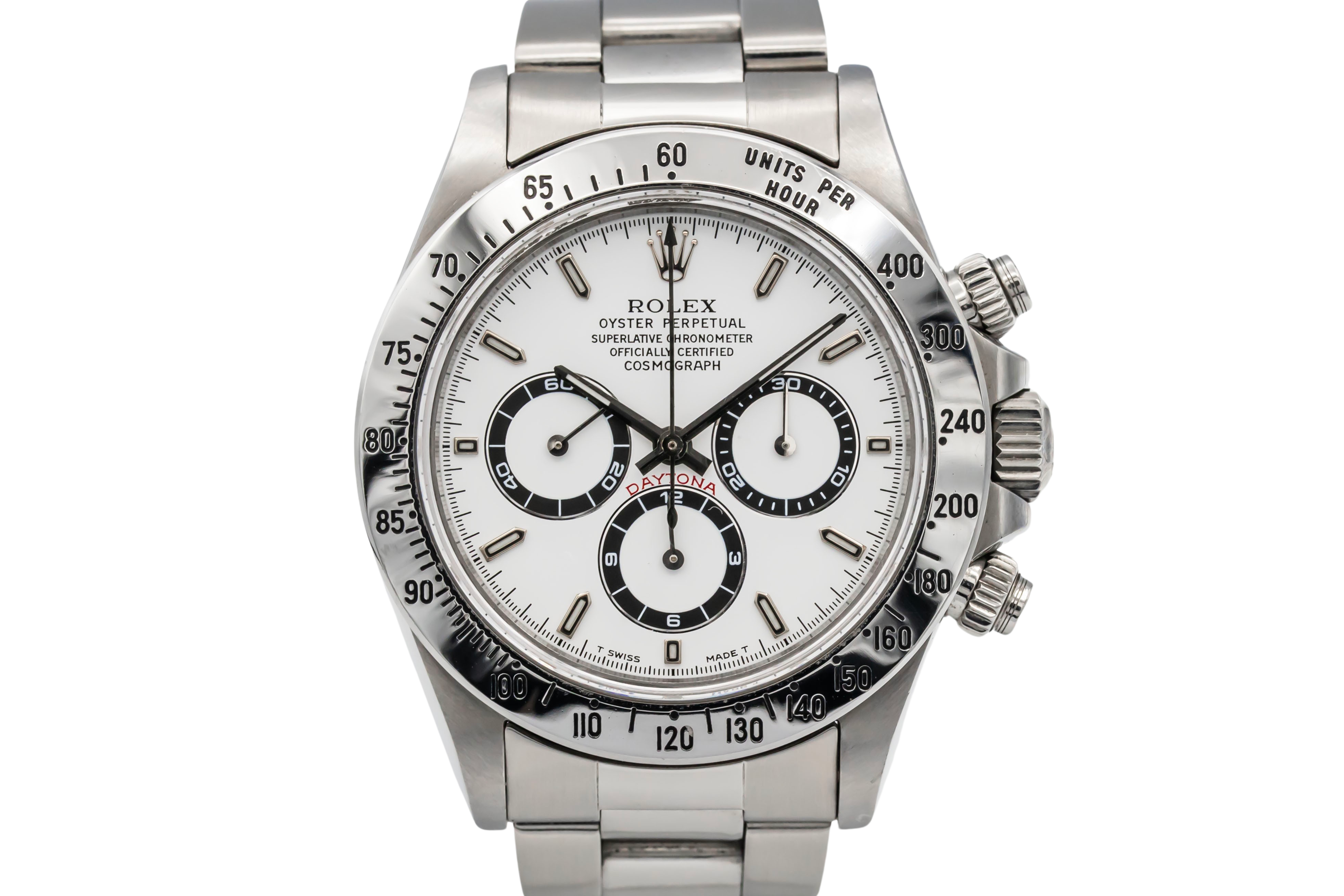
Chronograph models: Daytona
Chronograph movements are significantly more complex. More parts, more interaction between components, more potential points of wear.
Typical cost: £950-£1,250 at authorised centres
Projected 2026: £1,025-£1,350
Service times run longer. The calibre requires more precision during reassembly. Timing and regulation take additional work to ensure the chronograph functions accurately across all modes. This complexity shows up directly in the cost.
Highly complicated models: Sky-Dweller
The Sky-Dweller combines annual calendar, dual time zone, and Rolex's proprietary ring command bezel system. It's one of the most mechanically sophisticated watches Rolex produces.
Typical cost: £1,100-£1,400+ at authorised centres
Projected 2026: £1,200-£1,500+
| Rolex type | Cost expectation | Why it may cost more |
|---|---|---|
| Oyster Perpetual / Datejust | Usually simpler than complicated models | Standard movement and fewer complications |
| Submariner / GMT-Master II | Often higher than simple dress models | Water-resistance testing and more complex construction |
| Daytona / Sky-Dweller | Usually among the higher service categories | More complex movement and extra functions |
| Vintage Rolex | Can vary widel | Parts availability, originality and restoration sensitivity |
Fewer watchmakers have deep experience with this calibre because it's relatively new and less common. The annual calendar mechanism adds servicing time. Owners of Sky-Dwellers should expect costs at the higher end of the range.
For owners who want a clearer idea of inspection, maintenance and aftercare options, Rolex servicing.
What This Shows: Movement complexity directly affects service costs. The more your watch does mechanically, the more time and expertise its maintenance requires. This pattern holds true whether you're servicing in 2025 or 2026.
Common Rolex Repairs That Can Increase the Final Price
Service costs are one thing. Repairs are another. When something breaks or wears beyond normal tolerances, your bill increases. Here's what we see come through most often and what those repairs typically cost.
| Repair issue | Why it affects cost | User warning |
|---|---|---|
| Crystal replacement | Requires correct part and resealing | Do not ignore cracks, as moisture can enter |
| Crown or stem repair | Affects winding and water resistance | A loose crown should be checked quickly |
| Water damage | Can damage the movement, dial and hands | This can become expensive if delayed |
| Bracelet stretch or clasp repair | Depends on wear level and parts neede | Not always part of a standard service |
| Vintage parts replacement | Parts may be harder to source | Replacing original parts can affect collectability |
Some vintage parts are simply unavailable. Your watchmaker might need to source from donor watches, fabricate components, or recommend aftermarket alternatives. This is where having an experienced watchmaker who specialises in vintage Rolex becomes important.
What This Tells You: Repair costs beyond standard servicing depend entirely on what's needed. The only reliable way to know your total cost is through proper assessment before work begins.
Why Rolex Model, Age and Condition Change the Repair Cost
A modern Datejust and a vintage Submariner shouldn't be priced the same. They're different watches, built in different eras, requiring different approaches to service and repair.
The model determines movement complexity, parts availability, and how long the work takes. A simple three-hand Oyster Perpetual from 2020 is straightforward. A 1960s GMT-Master with an aging calibre needs more care, specialised knowledge, and harder-to-find components.
Age changes everything about the repair process.
Watches produced in the last 10-15 years use current parts that Rolex still manufactures. Your watchmaker orders what's needed, and it arrives within weeks.
Vintage Rolex models from the 1950s through 1980s often require parts no longer in production. Finding original crown wheels, balance staffs, or dial feet takes time. Sometimes months. Prices reflect that scarcity.
Vintage repairs also involve careful decisions about originality. Replacing a worn but original dial with a modern service dial affects the watch's collectability and value. Some owners prioritise function. Others protect originality above all else. These aren't simple choices, and they change what the repair costs and what it means for the watch's future.
Condition affects how much intervention your watch needs.
A well-maintained watch serviced regularly every 5-7 years needs routine work. Clean the movement, replace gaskets, regulate timing, test seals. Predictable.
A neglected watch left unserviced for 15-20 years often shows compound wear. Dried lubricants cause friction. Friction creates metal particles. Those particles damage jewels and pivots. What should have been a standard service becomes a restoration involving multiple replacement parts and extended bench time.
Water damage makes everything worse. Corrosion spreads across the dial, movement plates, and hands. Even minor moisture exposure years ago creates problems that only become visible when the case opens. We've seen watches that looked fine externally require extensive corrosion remediation once assessed properly.
Repair and servicing costs should also be viewed alongside the wider cost of a Rolex, especially if you're weighing maintenance against long-term value.
The Reality: Model, age, and condition interact in ways that make every repair quote unique. A 2022 Submariner needing routine service costs far less than a 1970 Submariner requiring movement restoration and rare parts sourcing. Both are Submariners, but the work involved is completely different.
Official Rolex Service Centre vs Independent Watchmaker: Which Is Better?
This is one of the most important decisions you'll make when your Rolex needs work. The choice affects cost, turnaround time, warranty coverage, parts originality, and long-term value. Neither option is universally better. The right answer depends on your priorities.
Official Rolex Service Centres: What You Get
Authorised Rolex service centres operate to factory standards. Every technician receives Rolex training. Every part used is genuine Rolex specification. The procedures follow exactly what Rolex prescribes.
Your watch returns with a two-year international warranty covering the work performed. Full documentation accompanies the service, including details of parts replaced and tests completed. This service history adds value if you sell later. Buyers trust official documentation.
Water resistance testing follows Rolex protocols. Timing regulation meets factory specifications. If your watch is still under Rolex's original warranty, using an authorised centre protects that coverage.
Official Rolex Service Centres: The Trade-offs
Cost sits at the higher end. You're paying for factory standards, genuine parts, and warranty coverage. Turnaround times stretch to 6-12 weeks, sometimes longer during busy periods. The process follows set procedures with limited flexibility.
Some owners find authorised centres less accommodating for vintage watches. Factory policy sometimes favours replacing aged components rather than preserving originality. If you own a collectible vintage Rolex where original patina matters, this approach doesn't always align with your interests.
Independent Watchmakers: What You Get
Independent specialists often complete work faster. Turnaround times of 2-4 weeks are common. Costs typically run 20-30% lower than authorised centres. Many independents offer more flexibility in approach, particularly for vintage watches where preserving originality matters.
The best independent watchmakers have decades of Rolex experience. They understand the nuances of different calibres, know how to source rare parts, and take a more personalised approach to each watch. For vintage Rolex repairs, experienced independents sometimes provide better outcomes than factory service.
Independent Watchmakers: What to Check
You won't receive Rolex warranty coverage. If something goes wrong after service, you're relying on the independent watchmaker's own guarantee. Standards vary dramatically. Some independents rival authorised centres for quality. Others don't.
Parts sourcing differs. Some independents use only genuine Rolex parts. Others use aftermarket components to reduce costs. Aftermarket parts affect originality and can impact resale value. You need to ask specifically what parts your watchmaker uses.
Expertise matters enormously. A poor independent service creates more problems than it solves. Before handing over a luxury watch, it is worth understanding why Rolex Dealer in London matters more than simply looking for the lowest quote.
| Option | Best for | Main consideration |
|---|---|---|
| Official Rolex Service Centre | Modern watches, full official servicing, warranty-backed work | May be more expensive and less flexible for vintage originality |
| Independent Rolex specialis | Vintage watches, second opinions, specific repair needs | Must be experienced, reputable and transparent about parts |
| Dealer assessment | Owners unsure whether to repair, service, sell or upgrade | Useful before committing to a costly repair |
Which Option Makes Sense for You?
Choose an official Rolex service centre if warranty coverage matters to you, if you plan to sell your watch within the next few years, if you want documented proof of factory-standard work, or if your watch is modern and still under original warranty.
Consider an independent watchmaker if your watch is vintage and preserving originality is important, if you need faster turnaround, if cost is a significant concern, or if you've found a specialist with proven expertise in your specific model.
What We've Seen: Both routes work well when chosen thoughtfully. The owners who regret their choice are usually those who picked based solely on price or convenience without considering the trade-offs. The decision isn't just about cost. It's about what you need from the service and how you value the different aspects of quality, speed, documentation, and expertise.
How Often Should You Service a Rolex?
Rolex states the recommended service interval is approximately every 10 years, depending on the model and real-life usage.
That's their official guidance. In practice, what your watch needs depends on how you wear it and the conditions it experiences.
The 10-year interval assumes ideal conditions. Light wear, minimal water exposure, no impacts, stable temperatures, and careful handling. If your watch lives that kind of life, 10 years between services makes sense.
Most watches don't experience ideal conditions. Daily wear changes things. Water exposure, even within the watch's rated depth, puts stress on gaskets and seals. Impacts affect timing. Humidity and temperature swings accelerate lubricant degradation.
When to consider servicing earlier than 10 years:
Your watch shows poor timekeeping. If it's gaining or losing more than a few seconds per day, the movement needs attention. Waiting doesn't improve things.
You wear it daily in demanding environments. Frequent swimming, sports, or physical work means more stress on the movement and seals. A 5-7 year interval makes more sense.
The watch has been exposed to water or moisture. Even minor condensation signals that seals have failed. This needs immediate assessment, regardless of when you last serviced it.
You've experienced a significant impact. Dropping your watch or hitting it against something hard affects the movement's precision. An inspection checks for damage before it worsens.
It's been sitting unworn for years. Long periods of inactivity allow lubricants to dry and settle. The watch needs servicing before regular wear resumes.
What We've Observed: Owners who service every 5-7 years experience fewer expensive repairs. Waiting the full 10 years often means addressing problems that developed years earlier but went unnoticed. The choice between preventative maintenance and reactive repair affects both cost and your watch's condition over time.
Is It Worth Servicing or Repairing a Vintage Rolex?
Vintage Rolex repairs need careful handling. The decisions you make about restoration, parts replacement, and cosmetic work directly affect the watch's value, originality, and collectability.
This matters because vintage watches operate under different rules than modern ones. What protects value in a current-production Submariner destroys it in a 1960s reference. The approach needs to match what the watch is and what you want it to remain.
Over-polishing reduces value permanently. Heavy polishing removes metal from the case and bracelet. Lugs become thinner. Bevels lose their sharpness. Crown guards change shape. Collectors recognise these signs immediately, and they affect what the watch is worth.
Light cleaning maintains appearance without compromising originality. Aggressive restoration aimed at making a vintage watch look factory-fresh often backfires. The patina, wear patterns, and age markers that develop over decades add character and authenticity. Removing them removes part of the watch's history.
Replacing original parts changes what you own. A vintage Rolex with its original dial, hands, bezel insert, and movement components holds more value than one with service replacements. Collectors pay premiums for originality. Service parts from different eras don't always match perfectly, and knowledgeable buyers notice.
Sometimes replacement makes sense. A heavily corroded dial that's damaged beyond function needs replacing. A cracked crystal compromises water resistance. Movement parts worn past tolerance need new components to keep the watch running. The decision balances preservation against practicality.
The questions worth asking before proceeding:
How do you plan to use the watch? If you're wearing it daily, functionality matters more than preserving every original component. If it's staying in a collection, originality carries more weight.
What's your attachment to this specific watch? Sentimental value changes the calculation entirely. A watch inherited from family justifies repair costs that wouldn't make financial sense otherwise.
Do you plan to sell eventually? Resale value depends heavily on originality and condition. Over-restoration often costs more than it adds to selling price.
Are you trying to replace it? For some owners, repairing an existing watch is more practical than trying to replace it, especially when popular models are affected by the Rolex waiting list.
What an experienced watchmaker should offer:
A detailed assessment before any work begins. You need to know what's original, what's been replaced previously, what needs immediate attention, and what choices exist for restoration.
Options rather than directives. Different approaches serve different priorities. A good watchmaker presents the trade-offs and lets you decide what matters most for your situation.
Clear guidance on how each decision affects value. You should understand whether replacing a faded bezel insert adds functionality but reduces collectability, or whether the dial you're considering replacing actually commands a premium in its current aged state.
The Reality: Vintage Rolex repairs aren't straightforward. The right choice depends on what you value most - function, originality, resale potential, or personal connection. We've worked with owners across all these priorities. The ones who regret their decisions are usually those who didn't fully understand the trade-offs before work began. Taking time to consider what you want from your watch, and finding a watchmaker who respects those priorities, matters more than rushing into restoration.
Can You Get a Rolex Repair Estimate Online?
You're looking for a rough idea of costs before committing to anything. That's understandable. The question is how accurate an online estimate is, and what you need to provide to get one that's worth anything.
A rough estimate is possible from photos and a description. If you provide clear images of your watch, explain the symptoms you're experiencing, and share the model details, a knowledgeable watchmaker provides a ballpark figure. This gives you an initial sense of whether you're looking at £500 or £1,500.
That estimate helps you decide whether to proceed with a formal assessment. It sets expectations and lets you plan accordingly.
A reliable quote needs physical inspection. Until the caseback comes off and someone examines the movement, the full extent of work needed stays hidden. Worn parts, corrosion, dried lubricants, and other internal issues don't show up in photographs.
We've provided rough estimates based on photos, then discovered additional work needed once the watch arrived. Water damage that looked minor externally turned out to affect multiple movement components. What seemed like a simple service required parts replacement we didn't anticipate from photos alone.
An honest watchmaker makes this clear upfront. The initial estimate is preliminary. The final quote follows inspection. If the cost increases significantly from the estimate, you're informed before work proceeds.
What to prepare when requesting an estimate:
Model and reference number. This sits on the paperwork, or between the lugs when the bracelet is removed. The reference number tells the watchmaker exactly which calibre you own and what parts it uses.
Clear photos from multiple angles. Case front and back, dial, crown, bracelet, and any areas showing damage or wear. Close-ups of specific problems help enormously.
Complete service history if available. When was it last serviced? By whom? What work was performed? This affects what the watch needs now.
Symptoms you're experiencing. Poor timekeeping, stopping completely, loose crown, condensation, unusual sounds, stiff bezel, or anything else that doesn't feel right. Be specific. "Runs slow" helps more than "something's wrong."
Box and papers if you have them. These don't affect the repair itself but help verify authenticity and provide documentation for the watchmaker's records.
Water exposure history. Has the watch been submerged? Did condensation appear under the crystal? Was it exposed to steam, humidity, or worn in the shower? Water damage changes everything about the assessment and urgency.
What Happens Next: A reputable dealer and their watchmaker reviews what you've provided and offers an estimated range rather than a fixed price. If the estimate feels reasonable, you send the watch for proper inspection. After assessment, you receive a detailed quote with exact costs. At that point, you decide whether to proceed. No surprise bills. No pressure. Just clear information that lets you choose what makes sense for your situation.
Speak to The Diamond Box About Your Rolex Repair or Service Options
Understanding repair costs is one thing. Knowing what your specific watch needs is another.
The Diamond Box works with Rolex owners across the UK who need clarity on whether their watch requires a full service, targeted repair, or assessment before deciding what comes next. We've spent over 20 years helping people understand their options without pressure or rush.
Sometimes the right decision is proceeding with service. Other times it's addressing a specific repair. Occasionally it's discovering that the cost of restoration sits close enough to replacement value that exploring alternatives makes more sense.
If the repair cost is close to the value of replacing or upgrading, you also explore Rolex watches in the UK through The Diamond Box.
We assess condition, explain what work is genuinely needed, provide transparent pricing, and present options that match your situation. You choose the path that feels right. No directives. No sales pressure. Just clear guidance from people who've seen thousands of these decisions play out over decades.
If you're unsure whether your Rolex needs a full service, repair, or valuation before resale, The Diamond Box helps you review your options. We're based in North London and work with owners throughout the UK who want a conversation about their watch rather than being pushed toward a predetermined outcome.
Frequently Asked Questions
How often does a Rolex need servicing?
Rolex recommends servicing approximately every 10 years depending on the model and real-life usage. However, daily wear, water exposure, impacts, or poor timekeeping often justify earlier inspection. Most owners who service every 5-7 years experience fewer expensive repairs and better long-term condition.
How much does a Rolex service cost in the UK?
At official Rolex service centres, expect £650-£850 for simple models, £750-£1,000 for sports watches, and £950-£1,250 for chronographs in 2025. By 2026, these costs rise to £700-£920, £810-£1,080, and £1,025-£1,350 respectively. Independent pre-owned dealers typically charge 20-40% less. At The Diamond Box, servicing starts from £375, with the final price based on your watch's specific needs.
Should I use an authorised Rolex service centre or an independent watchmaker?
Authorised centres provide genuine parts, factory procedures, and a two-year warranty with full documentation. Independents often charge 20-30% less and work faster, but you lose warranty coverage. Your choice depends on how you value warranty protection, originality, and resale considerations.
What's included in a full Rolex service?
Complete movement disassembly, ultrasonic cleaning, inspection for wear, replacement of worn parts, reassembly with fresh lubrication, timing and regulation, pressure testing, case and bracelet refinishing, and final quality control. The process takes 8-12 hours of skilled work.
Why do Rolex repair costs keep increasing?
Skilled horologist shortages, rising genuine parts costs, general inflation affecting operational expenses, and increased complexity in modern movements all push costs upward. We've tracked 4-6% annual increases over the past five years.
What affects the cost of servicing Rolex?
Time since last service, how you've worn the watch, any water damage history, movement type, parts availability, and your cosmetic restoration preferences all influence the final cost. Two identical models don't always cost the same to service.
How do I reduce long-term Rolex repair costs?
Service regularly every 5-7 years, test water resistance annually if worn in water, store properly away from magnetic fields and impacts, address small issues immediately, keep service records, and choose your watchmaker carefully.
Is it worth repairing a vintage Rolex?
Vintage Rolex repairs need careful consideration. Over-polishing and unnecessary parts replacement reduce collectability and value. The decision depends on how you'll use the watch, your attachment to it, and whether you prioritise function, originality, or resale value. Work with a watchmaker who understands vintage pieces and presents options rather than rushing into restoration.
Can I get a Rolex repair estimate online?
A rough estimate is possible from photos and description of the issue, but a reliable quote requires physical inspection. Provide model/reference number, clear photos from multiple angles, service history, symptoms, and water exposure details for the most accurate preliminary estimate. The final cost is confirmed after the watchmaker opens the case and assesses the movement.
When should I sell my Rolex instead of repairing it?
When repair costs feel disproportionate to your attachment and usage plans. If you're facing a £1,500+ bill on a £3,000-£4,000 watch and you're not planning to wear it long-term, selling as-is or part exchanging makes more sense than investing in repairs.
Key Takeaways
-
Rolex service costs in the UK have increased 4-6% annually over the past five years and will continue rising through 2026.
-
By 2026, expect to pay £700-£920 for basic models, £810-£1,080 for sports watches, and £1,025-£1,350 for chronographs at authorised centres.
-
A complete Rolex service involves 8-12 hours of skilled work including disassembly, cleaning, inspection, parts replacement, reassembly, timing, and testing.
-
Regular servicing every 5-7 years catches problems early and costs less than waiting until something breaks.
-
Authorised centres provide genuine parts and warranty coverage. Independents charge 20-30% less but you lose warranty protection.
-
Over 20-30 years of ownership, you'll spend £2,400-£5,000 on maintenance at 2026 rates, on top of the purchase price.
-
Planning for service costs from the beginning helps you feel more comfortable with the investment and removes surprise when bills arrive.
Does knowing these projected costs change how you're thinking about servicing, or does it confirm what you already expected?